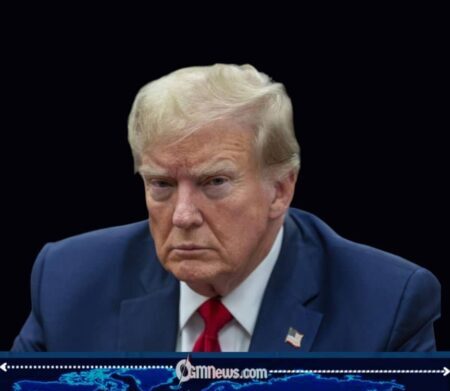







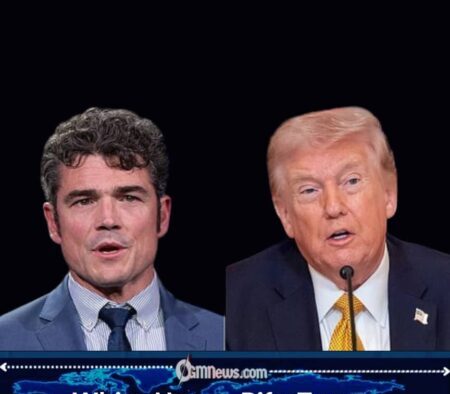
President Donald Trump, currently serving a second term in office, said it was a “good thing” that senior U.S. counterterrorism official Joe Kent resigned following a disagreement with the administration over the ongoing war with Iran. Speaking to reporters at the White House, Trump suggested Kent’s views on Iran were incompatible with the administration’s national security assessment.
The president stated that officials who do not regard Iran as a significant threat should not be part of the administration’s national security team. The remarks came shortly after Kent stepped down from his role as director of the National Counterterrorism Center, citing concerns about the justification and strategy behind the conflict.
Kent’s departure has drawn significant attention in Washington and internationally, as it represents one of the highest-profile resignations linked to the administration’s Iran policy and highlights growing debate over the intelligence and political reasoning behind the war.
Trump Defends Administration’s Position on Iran
President Trump responded bluntly to news of Kent’s resignation, arguing that national security officials must align with the administration’s assessment of global threats. The president told reporters that while Kent was “a nice guy,” his belief that Iran did not represent a major danger made it impossible for him to remain part of the administration’s security apparatus.
Trump emphasized that his administration considers Iran a serious risk to international stability and U.S. interests. According to the president, officials who downplay that threat undermine the strategic direction of the government during an ongoing military conflict.
The comments reinforce the administration’s broader message that the war with Iran is necessary to protect regional security, deter future attacks, and safeguard global shipping routes and energy supplies.
Joe Kent’s Decision to Step Down
Joe Kent announced his resignation after publicly expressing disagreement with the decision to launch military operations against Iran. In statements reported by several major news outlets, Kent said he could not continue in his role while opposing the administration’s assessment that Iran posed an immediate danger to the United States.
Kent argued that available intelligence did not demonstrate an imminent threat requiring large-scale military action. He suggested that entering a prolonged conflict could carry significant strategic risks for the United States and the broader international community.
His resignation letter reportedly emphasized that he could not support policies he believed might lead to unnecessary escalation in the Middle East.
The Role of the National Counterterrorism Center
The National Counterterrorism Center plays a crucial role within the U.S. intelligence community. Established after the September 11 attacks, the agency coordinates counterterrorism intelligence from multiple government bodies, including the CIA, FBI, and Department of Defense.
As director of the NCTC, Kent oversaw the analysis of global terrorist threats and the sharing of intelligence across U.S. agencies. The position is considered one of the most influential national security roles outside the White House and the intelligence agency leadership.
Because of the center’s importance, Kent’s departure has drawn attention among security analysts, who note that leadership changes during a major international crisis can affect intelligence coordination and policy planning.
Debate Over Iran’s Threat Level
The disagreement between Kent and the administration reflects a broader debate about Iran’s role in regional security. The Trump administration has argued that Tehran’s military capabilities and activities across the Middle East pose a direct challenge to international stability.
Officials supporting the administration’s position say Iran’s missile programs, regional proxy groups, and threats to shipping in the Strait of Hormuz justify decisive action.
Critics, however, have questioned whether the intelligence available at the time of the military response demonstrated an immediate threat to the United States. Some lawmakers and analysts argue that disagreements within the national security community should be carefully examined by Congress.
Political and Strategic Implications
Kent’s resignation has quickly become part of a larger political debate in Washington about the direction of U.S. foreign policy. Some lawmakers view the episode as evidence of internal divisions within the national security establishment.
Others argue that disagreements among policymakers are not unusual during complex international crises. Analysts say that such debates often occur behind the scenes when governments evaluate intelligence and determine military strategy.
For the Trump administration, the focus remains on maintaining a unified national security message while managing the ongoing conflict and its diplomatic consequences.