

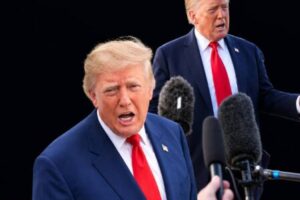









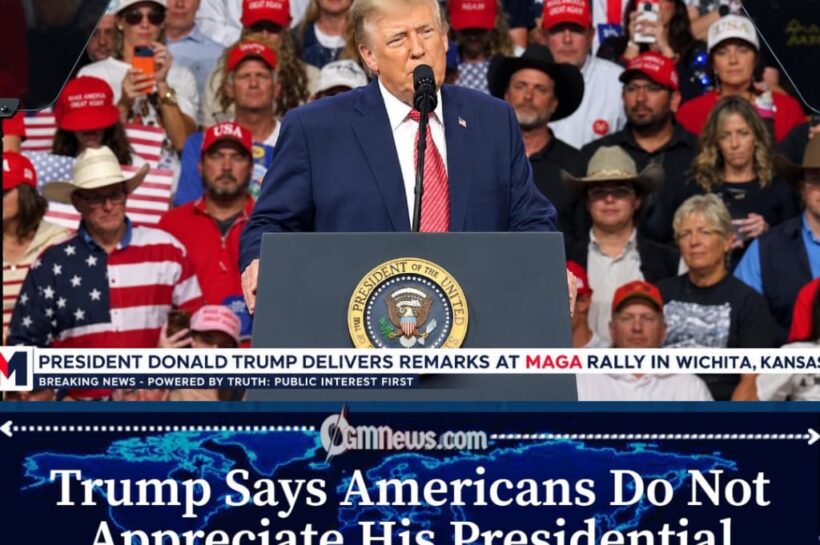




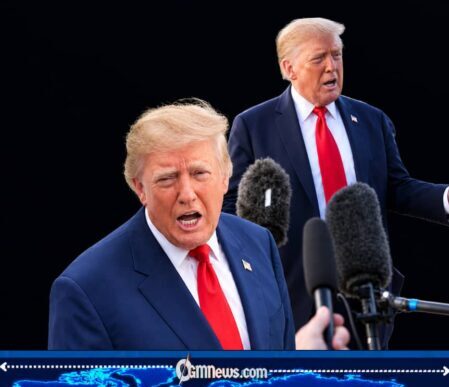
Trump and Israel have once again become central figures in the escalating political storm surrounding possible negotiations with Iran, after President Donald Trump declared that he “wouldn’t make a deal if it wasn’t good for Israel.” The statement, delivered during an interview with Israeli Channel 12, immediately intensified debate over America’s diplomatic priorities in the Middle East and raised new questions about how far Washington may go to reassure its closest regional ally while attempting to manage tensions with Tehran.
The remarks arrive at a sensitive moment as international concern continues to grow over Iran’s nuclear activities, regional military alliances, and the possibility of renewed diplomatic engagement between Washington and Tehran. While supporters viewed Trump’s comments as a clear message of strategic loyalty, critics argued the statement risks narrowing diplomatic flexibility before negotiations even fully take shape. In the unpredictable theater of Middle East politics, even one sentence can echo like a military exercise.
Israel’s Security at the Center of Trump’s Iran Talks
Trump’s comments appear aimed at calming fears within Israel that the United States could eventually support an agreement perceived as weakening Israeli security interests. Israeli leaders across multiple administrations have consistently warned against any deal that allows Iran economic relief without strict guarantees on nuclear limitations and regional behavior. Concerns intensified in recent years following repeated tensions involving Iranian-backed groups, missile exchanges, and broader fears of regional escalation.
By publicly emphasizing Israel in his remarks, Trump reinforced his long-standing political identity as one of the country’s strongest international allies. During previous years in office, Trump recognized Jerusalem as Israel’s capital, supported the Abraham Accords normalization agreements, and adopted a hardline posture toward Iran. His latest statement suggests that his current diplomatic messaging continues to prioritize deterrence and alliance reassurance over ambiguity, even as speculation grows around possible negotiation frameworks involving Tehran.
Trump Draws Red Line on Iran as Middle East Tensions Rise
The broader diplomatic context surrounding Trump’s statement reflects mounting international pressure to prevent further instability in the Middle East. Discussions surrounding Iran frequently involve overlapping concerns about nuclear development, sanctions relief, regional conflicts, and the possibility of indirect ceasefire arrangements linked to wider security negotiations. Analysts say any future agreement would face enormous political scrutiny not only in Washington and Tehran, but also among U.S. allies throughout the region.
Trump’s declaration also highlights the increasingly public nature of modern diplomacy, where leaders often communicate strategic positions through media appearances as much as through closed-door negotiations. Some foreign policy observers argue that publicly guaranteeing Israeli interests before negotiations fully evolve could strengthen alliance confidence while simultaneously reducing leverage at the negotiating table. Others believe the statement was primarily intended as political signaling to domestic and international audiences concerned about Iran’s growing regional influence.
At the same time, the controversy reflects a deeper reality about Middle East diplomacy: every proposed agreement is judged not only by what it achieves, but by who fears it and who celebrates it. As attention shifts toward possible future negotiations involving Iran, Israel, and the United States, OGM News will continue monitoring whether Trump’s hard public assurances translate into lasting diplomatic strategy or become another headline in an already volatile geopolitical rivalry.

Logging in is a breeze and the site stability is amazing even during peak hours....