









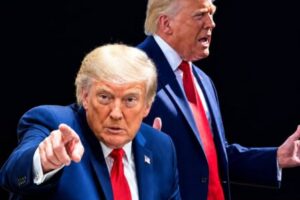


















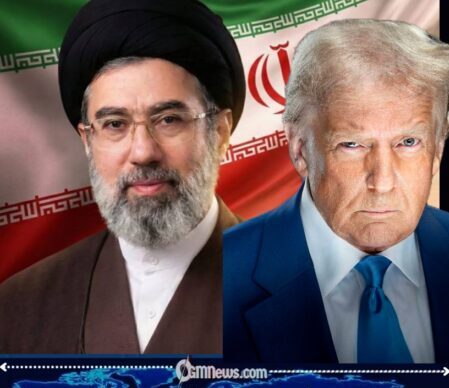
President Donald Trump has accused Iran of deliberately stalling peace negotiations in an attempt to survive until the United States midterm elections, triggering fresh uncertainty over the future of Middle East stability and global energy markets. Speaking during a tense cabinet meeting at the White House, Trump claimed Tehran believed it could gain leverage by waiting for political pressure to weaken his administration. Yet while projecting confidence that Iran would eventually compromise, the president simultaneously delivered threats, mixed diplomatic signals and controversial claims about regime change that left observers questioning the true direction of US foreign policy.
Trump Says Iran Wants Better Terms by Waiting Out Elections
Trump framed the ongoing Iran negotiations as a strategic battle of endurance, accusing Tehran of believing it could “out-wait” his administration until the midterms reshaped Washington politics. According to the president, Iran expected rising economic pressures and declining approval ratings to force the United States into softer terms. Trump dismissed the idea entirely, insisting that recent Republican political victories proved he remained politically strong despite growing domestic criticism over the conflict.
The Trump administration also intensified rhetoric surrounding the Strait of Hormuz, one of the world’s most critical oil transit routes. Trump declared that no country would be allowed to dominate the waterway and warned that force could be used if necessary. The remarks added another layer of tension to already fragile negotiations because the strait remains essential to global energy supplies. Markets and international observers continue monitoring developments closely amid fears that even limited disruption could trigger wider economic consequences.
Trump Ties Middle East Peace Deal to Abraham Accords Pressure
The Iran negotiations have also exposed conflicting messages emerging from the White House. Trump renewed calls for Arab nations to expand participation in the Abraham accords, suggesting countries in the region “owed” cooperation to the United States. At one moment, he implied future agreements could depend on additional diplomatic recognition of Israel, before later retreating from that position when questioned directly by reporters.
The administration’s messaging has become even more complicated following recent military strikes on Iranian targets despite simultaneous claims that peace talks were nearing completion. Trump previously announced that an agreement had been “largely negotiated,” yet military operations reportedly continued against Iranian-linked forces shortly afterward. Critics from both political parties and sections of the American conservative movement have questioned whether the White House is pursuing diplomacy, deterrence or political messaging aimed at domestic audiences ahead of the midterms.
Trump also made controversial remarks suggesting the Iranian leadership structure had fundamentally changed following assassinations and military pressure over recent years. Although Iran’s political system remains intact under a new leadership generation, Trump argued that Washington was now dealing with “completely different people” compared to the beginning of the conflict. Analysts warn that such rhetoric may complicate already delicate negotiations because Tehran continues to publicly reject claims that outside pressure can dictate its political future.
Another unusual dimension of the cabinet meeting involved outgoing Director of National Intelligence Tulsi Gabbard, whose relationship with the administration had reportedly faced strain over differing assessments regarding Iran’s nuclear intentions. Despite past disagreements, Trump praised Gabbard publicly during the meeting, signaling a temporary display of unity at a moment when foreign policy divisions inside Washington are increasingly visible.
As the Donald administration attempts to balance diplomacy, military pressure and political survival, uncertainty continues to dominate the Iran crisis. Negotiators remain engaged, but contradictory public statements and escalating rhetoric have made it difficult for allies, rivals and financial markets to predict what comes next. OGM News understands that further developments are expected in the coming days as discussions over sanctions, security guarantees and regional influence continue behind closed doors.

Logging in is a breeze and the site stability is amazing even during peak hours....