













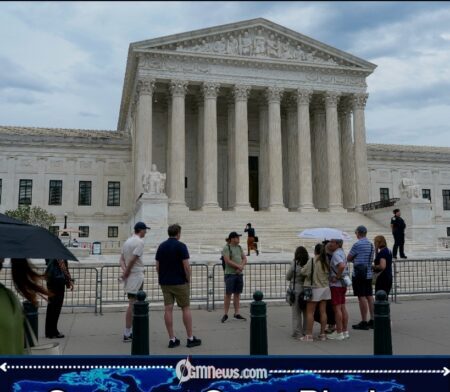
The Supreme Court has delivered a major constitutional ruling that is already reshaping national conversations about firearms, marijuana policy and the limits of federal authority. In a unanimous decision that drew immediate attention across the political spectrum, the Court ruled that the government could not broadly apply a federal prohibition against firearm possession by habitual marijuana users under the circumstances presented in the case. The judgment has reignited questions about how far federal regulators can go when restricting constitutional rights and whether long-standing laws can withstand modern judicial scrutiny.
Supreme Court Decision Based On Texas Resident
The Supreme Court case arose from the prosecution of Ali Danial Hemani, a Texas resident who admitted to regular marijuana use and was charged under a provision of the Gun Control Act of 1968 that bars unlawful users of controlled substances from possessing firearms. Federal authorities argued that Congress has long possessed authority to prevent potentially dangerous individuals from owning weapons, while Hemani’s legal team contended that the law was being applied too broadly and violated constitutional protections.
In its ruling, the Court concluded that the government failed to demonstrate that applying the statute to Hemani was consistent with the Second Amendment. The justices emphasized that the case involved a person who was not accused of violent conduct, firearm misuse, or possession while intoxicated. As a result, the Court determined that the prosecution could not stand under the constitutional framework currently governing firearm regulations.
Contex And Significant Purpose Of The Vadict
The Supreme Court decision also carries political significance because the same federal provision became widely known during the prosecution of Hunter Biden, who faced charges connected to firearm ownership and unlawful drug use before later receiving a presidential pardon. Although the Court’s ruling focused on constitutional questions rather than any specific political figure, the connection has guaranteed intense public attention and partisan debate.
Beyond the immediate case, legal experts say the judgment reflects a broader trend in which courts increasingly evaluate firearm restrictions through the lens of historical tradition and constitutional text. The ruling arrives as marijuana laws continue

Downloaded the 881betapp the other day. Clean interface, does the job. Quick and easy betting...