
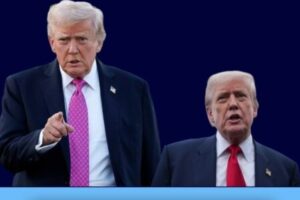





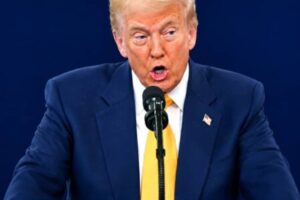
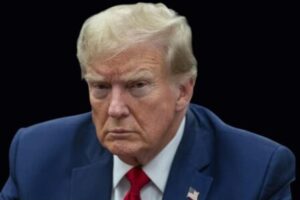


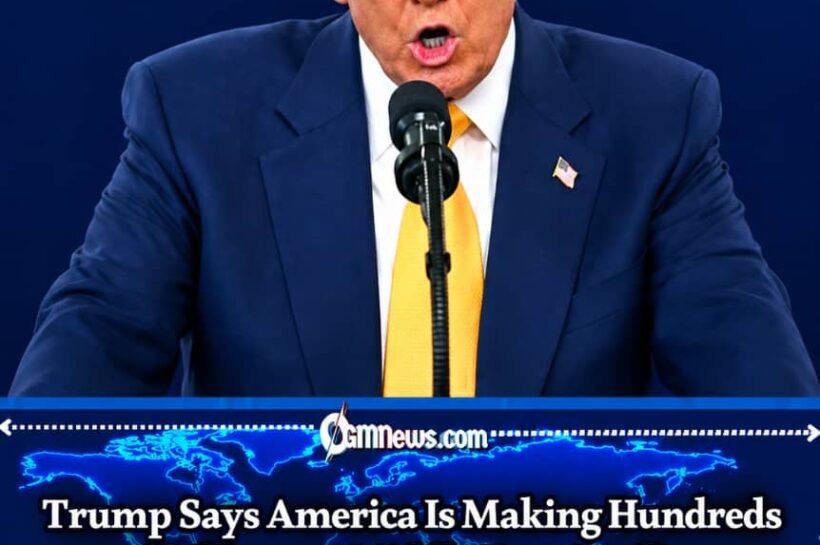






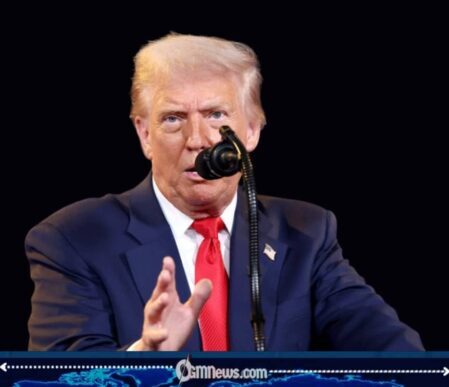
The Strait of Hormuz returned to the center of global attention after the current U.S. President Donald J. Trump issued a sweeping set of demands aimed at Iran, combining military pressure, nuclear restrictions, maritime security, and economic leverage into what observers describe as one of the administration’s most aggressive public negotiating positions yet. In a dramatic statement, Trump insisted Iran must permanently abandon any pursuit of nuclear weapons, reopen the Strait of Hormuz to unrestricted international shipping, clear remaining sea mines, and cooperate with American authorities and the International Atomic Energy Agency regarding sensitive nuclear materials reportedly buried underground after previous military strikes.
The statement immediately sparked intense international debate, not only because of its demands but also because of its tone. Trump mixed hardline warnings with unusually casual remarks about stranded ships returning home to greet their families “from your favorite boss,” a phrase that quickly spread across social media platforms. Behind the humor, however, lies a serious geopolitical confrontation involving one of the world’s most strategically important waterways and longstanding fears surrounding Iran’s nuclear ambitions.
White House Faces Questions Over Naval Pressure Campaign Against Iran
Trump’s remarks suggest the White House may be pursuing a renewed “maximum pressure” strategy against Tehran while simultaneously leaving the door open for a possible agreement. According to the administration’s outline, Iran would not only abandon nuclear weapons ambitions permanently but also work directly with U.S. officials and the International Atomic Energy Agency to detect and manage enriched nuclear materials allegedly trapped beneath collapsed underground sites following earlier B-2 bomber operations referenced by Trump.
The Strait of Hormuz remains critical to global energy markets because a significant portion of the world’s oil shipments pass through the narrow waterway connecting the Persian Gulf to international seas. Any threat to free passage there has historically triggered spikes in oil prices and fears of wider military escalation. Trump’s claim that U.S. naval forces had already destroyed or cleared many sea mines reflects longstanding concerns from Western governments about maritime threats in the Gulf region. Although no independent verification accompanied the statement, military analysts note that mine-clearing operations in the Strait have previously been treated as high-priority missions by international naval coalitions.
Hormuz: Trump Tells Iran: No Nuclear Bombs, No Money, No Excuses
The Nuclear Deal debate surrounding Iran has remained unresolved for years following the collapse of earlier agreements and repeated disputes over uranium enrichment levels, inspections, and sanctions. Iran has consistently maintained that its nuclear activities are intended for peaceful civilian purposes, while Western powers, including the United States, have argued that certain enrichment activities and restrictions on inspections raised legitimate concerns about possible weapons capability.
Trump’s latest position appears to combine military deterrence with economic restrictions. His declaration that “no financial transactions will be made until further notice” signals continued pressure on Iran’s access to international financial systems and trade channels. Analysts say such language may be intended to force concessions before any sanctions relief or economic normalization discussions can proceed.
At the same time, Trump’s reference to entering the White House Situation Room to make a “final determination” heightened speculation that negotiations may be approaching a critical stage, though officials have not publicly clarified whether the administration is considering military escalation, a provisional agreement, or a broader diplomatic framework.
International observers are also closely monitoring the role of the International Atomic Energy Agency. The agency has remained central to global oversight efforts involving Iran’s nuclear infrastructure and verification processes. Cooperation between Washington, Tehran, and the agency would represent a highly sensitive development given years of mistrust and accusations exchanged between all sides. Some experts believe the inclusion of the agency in Trump’s proposal may be an attempt to frame the process as internationally supervised rather than purely bilateral pressure.
The Strait of Hormuz and the wider Nuclear Deal negotiations now sit at the intersection of diplomacy, military signaling, and global economic anxiety. While supporters of Trump’s strategy argue that strong conditions are necessary to prevent future nuclear escalation, critics warn that public ultimatums and aggressive rhetoric could further destabilize an already fragile region. For now, the world is left watching Washington and Tehran navigate another dangerous chapter in one of modern geopolitics’ longest-running standoffs, with OGM News continuing to monitor developments surrounding the Strait of Hormuz and the future of the Nuclear Deal.
Signing up took less than two minutes and I was already exploring the available games....