











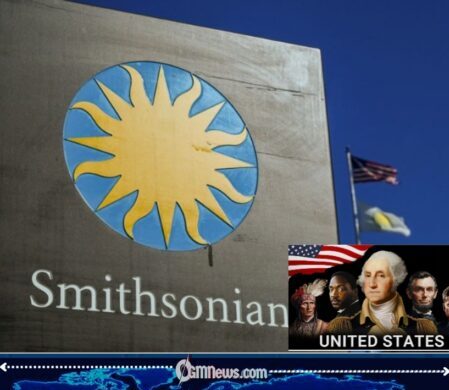
The terms Smithsonian and radical ideology have taken center stage in a growing national dispute after a White House report accused the leadership of the Smithsonian Institution of drifting away from its educational mission and toward what it describes as politically driven interpretation of American history. The report, released on a symbolic anniversary of the nation’s founding, has intensified debate over how the United States preserves and presents its historical narrative under the current administration of President Donald J. Trump.
The document alleges that Smithsonian leadership has embraced a framework critics say prioritizes ideology over scholarship, raising questions about institutional neutrality and public trust. While supporters of the report argue it is a necessary correction to perceived bias, others warn it could signal deeper political pressure on cultural institutions that traditionally operate with a degree of independence.
Accusations and Institutional Response
The Smithsonian Institution, described in the report as a cornerstone of American cultural preservation, is accused of shifting its focus away from “straightforward historical education and scholarship” toward what officials in President Donald J. Trump’s administration characterize as narrative-driven interpretation influenced by radical ideology.
The Smithsonian Institution has historically operated as a unique public-private trust rather than a direct executive agency, a structure that has often shielded it from direct political control. However, the latest accusations suggest increasing friction between governance independence and federal oversight expectations, especially as debates over national identity grow more polarized.
Broader Cultural and Political Context
Beyond the immediate controversy, the Smithsonian Institution debate reflects a wider cultural struggle over how history should be interpreted in public spaces. Supporters of the White House position argue that institutions must avoid ideological framing, while critics caution that such claims risk oversimplifying complex historical scholarship under the banner of radical ideology concerns.
In Washington, President Donald J. Trump has continued to emphasize reforms aimed at reshaping federal cultural priorities, with museums and educational bodies increasingly drawn into broader political discussions. Analysts note that similar debates have emerged in other institutions globally, where questions of representation, identity, and historical framing are becoming central to public discourse.
The unfolding dispute over the Smithsonian Institution and claims of radical ideology is expected to continue shaping policy discussions in the coming months, with potential implications for funding, governance, and the broader role of national museums in defining collective memory. Observers anticipate further clarification from both federal officials and Smithsonian leadership as the conversation evolves under President Donald J. Trump’s administration.

Navigating through slot games used to feel overwhelming but this login portal makes everything so...