
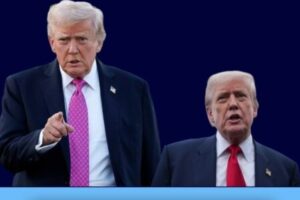





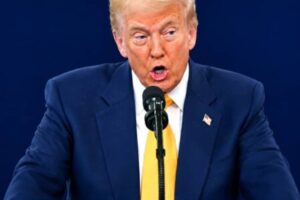
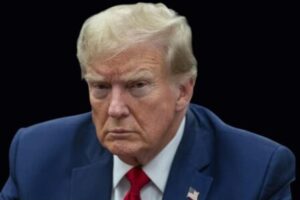











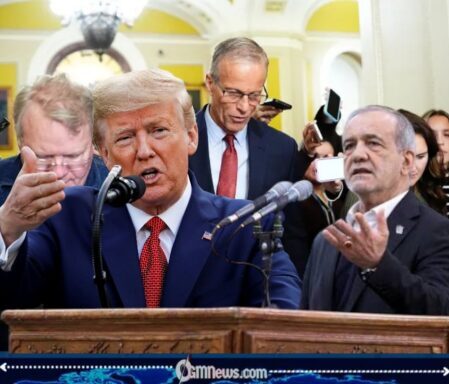
Senate politics in Washington took a dramatic turn after lawmakers who had helped deliver a rare rebuke to President Donald J. Trump over the Iran conflict appeared to soften their stance following high-level meetings and administration briefings. The development has fueled debate over congressional independence, presidential influence, and whether the initial challenge to Trump’s Iran strategy was a genuine revolt or merely a temporary detour. For political observers, the story offers a reminder that in Washington, today’s rebellion can become tomorrow’s reconciliation.
Senate Rebellion Against Trump Lasted About as Long as a Coffee Break
The original controversy began when the Senate approved a war powers resolution directing the president to halt military action against Iran unless Congress explicitly authorized such operations. The measure passed by a narrow 50-48 vote and represented the first time both chambers of Congress had approved such a resolution concerning the conflict. Several Republican senators joined Democrats in supporting the effort, creating one of the most significant bipartisan challenges to Trump’s foreign policy agenda.
The Senate vote was largely symbolic because legal experts continue to debate the enforceability of such resolutions. Nevertheless, the outcome carried political significance by highlighting growing concern among lawmakers regarding the Iran conflict and the constitutional balance between Congress and the White House on matters of war. Supporters argued that the measure reinforced congressional authority, while critics claimed it risked undermining ongoing diplomatic and military efforts.
Trump Turns Senate Critics Into Supporters After Closed-Door Talks
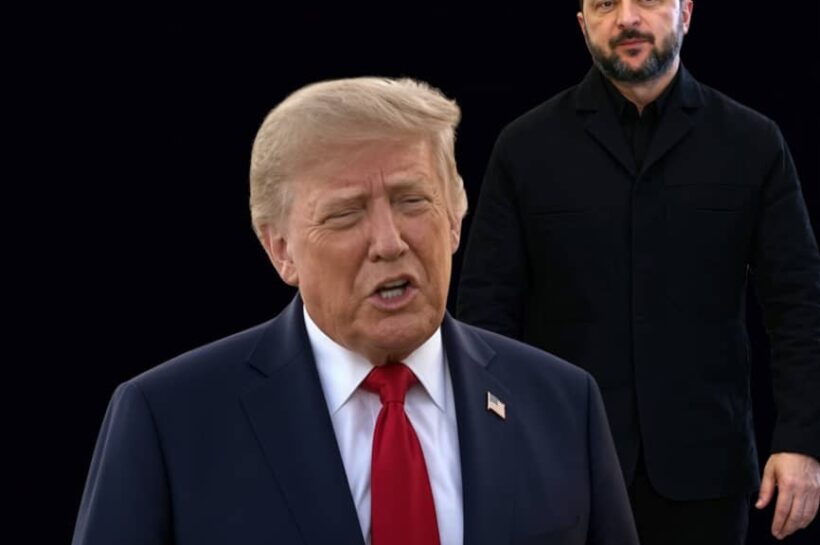
The story took another turn when President Trump met with Republican senators amid growing tensions within the party. Reports indicate that detailed briefings on Iran negotiations and security concerns persuaded some lawmakers to reconsider their earlier positions. Subsequent vote changes by certain senators were celebrated by Trump and his allies as evidence that additional information had corrected misconceptions surrounding the administration’s strategy.
Beyond the immediate political maneuvering, the Iran debate reflects a broader struggle over presidential war powers that has existed for decades. The War Powers Act of 1973 was designed to limit unilateral military action by presidents, yet conflicts involving multiple administrations have repeatedly tested those boundaries. The latest Senate dispute demonstrates that questions about executive authority remain unresolved, especially during periods of international tension.
The Senate may have stepped back from its most forceful criticism of President Trump, but the underlying questions remain very much alive. As the Iran conflict continues and the administration seeks additional funding for military operations, lawmakers will likely face renewed pressure to define where congressional oversight ends and presidential authority begins. OGM News will continue monitoring developments as Washington’s latest political drama unfolds.
Signing up took less than two minutes and I was already exploring the available games....