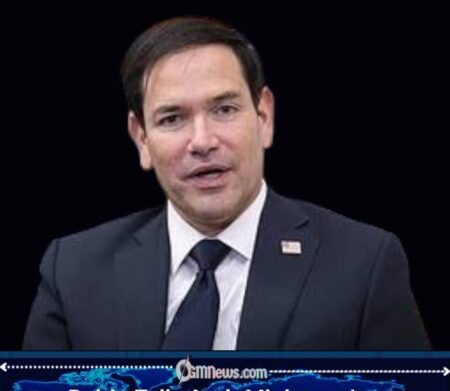










Minnesota Rep. Tom Emmer has ignited a fresh national debate on immigration enforcement and citizenship integrity after calling for the deportation of Somali immigrants in his state who he says “engaged in fraud,” as well as the revocation of citizenship for naturalized Somali Americans alleged to have obtained their status through deception. The proposal, framed by Emmer as a necessary response to criminal wrongdoing, has drawn sharp reactions across political, legal, and community lines.
The remarks arrive amid broader conversations about the balance between immigration enforcement and civil rights, particularly in states with large immigrant populations. Minnesota is home to one of the largest Somali communities in the United States, making Emmer’s comments especially consequential at the local and national levels.
Emmer’s Position and Stated Rationale
Rep. Emmer, a senior Republican lawmaker from Minnesota, argued that immigration benefits should not shield individuals who commit fraud. According to his statements, any immigrant—regardless of country of origin—who deliberately exploits public programs or falsifies information to obtain legal status should face serious legal consequences, including deportation or loss of citizenship.
Emmer emphasized that his call is focused on criminal conduct rather than ethnicity or religion. He maintained that fraud undermines public trust in immigration systems and diverts resources from lawful residents and citizens who rely on public assistance programs legitimately.
Allegations of Fraud and Scope of the Claims
The lawmaker’s comments reference ongoing concerns raised by some federal and state investigators about alleged fraud schemes involving public benefits, including childcare subsidies and social welfare programs.
While Emmer did not cite specific cases in his public remarks, he suggested that documented instances of fraud justify stronger enforcement actions.
Legal experts note that allegations alone do not meet the threshold for deportation or denaturalization. Under U.S. law, such penalties typically require extensive investigations, due process, and clear evidence that fraud was both intentional and material to an individual’s immigration or citizenship status.
Legal Framework for Deportation and Denaturalization
Deportation of non-citizens convicted of fraud is already предусмотрed under existing immigration laws, particularly when offenses are classified as aggravated felonies.
However, revoking the citizenship of naturalized Americans is far more complex and rare, requiring federal court proceedings and proof that citizenship was obtained through deliberate misrepresentation or concealment of key facts.
Civil liberties advocates stress that denaturalization cases must meet an exceptionally high legal standard to prevent abuse. Courts have historically treated citizenship revocation as an extraordinary remedy, given its profound consequences for individuals and families.
Response from Somali-American Communities
Leaders within Minnesota’s Somali-American community have expressed concern that Emmer’s remarks risk stigmatizing an entire population based on the alleged actions of a few.
Community advocates argue that the overwhelming majority of Somali immigrants are law-abiding residents who contribute significantly to Minnesota’s economy, healthcare sector, and civic life.
Several organizations have called for more precise language from public officials, warning that broad statements can fuel discrimination and fear. They also emphasized their willingness to cooperate with law enforcement efforts that target specific criminal activity without casting collective blame.
Political and Policy Implications
Politically, Emmer’s comments resonate with voters who prioritize stricter immigration enforcement and accountability in public spending. Supporters argue that the rule of law demands firm action against fraud, regardless of the offender’s background.
Opponents, however, contend that the rhetoric risks oversimplifying complex issues and could erode trust between immigrant communities and government institutions. As immigration remains a central issue in national politics, the debate surrounding Emmer’s proposal is likely to influence policy discussions well beyond Minnesota.
Broader National Context
The controversy unfolds against a national backdrop of renewed focus on immigration enforcement and border security. While federal authorities already possess tools to prosecute fraud, the challenge lies in applying them consistently without infringing on constitutional protections.
Analysts suggest that the Emmer episode underscores a recurring tension in U.S. immigration policy: how to enforce laws rigorously while maintaining America’s long-standing commitment to equal protection under the law.