







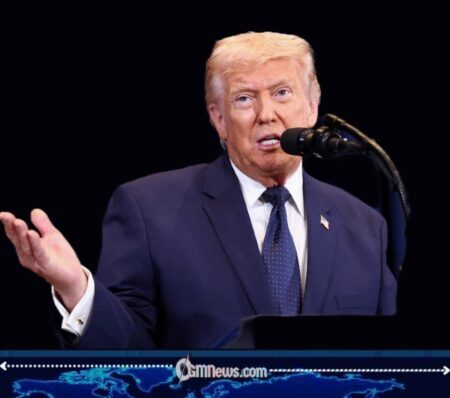
President Donald Trump said the United States no longer needs NATO, marking a significant shift in rhetoric regarding one of the world’s most enduring military alliances. President Donald Trump argued that changing global dynamics and evolving security priorities require a reassessment of long-standing international commitments.
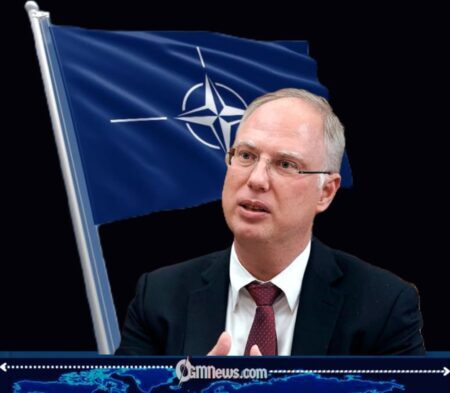
The statement has sparked widespread reaction among political leaders, defense experts, and allied nations, many of whom view NATO as a cornerstone of transatlantic security. Since its founding in 1949, the alliance has played a central role in coordinating military strategy and collective defense among its member states.
The remarks come at a time of heightened geopolitical tension, with ongoing conflicts and shifting alliances prompting renewed debate over the future of global security frameworks.
Background of the NATO Alliance
President Donald Trump has previously criticized NATO, particularly over defense spending by member countries. President Donald Trump has argued that the United States bears a disproportionate share of the financial burden required to maintain the alliance’s operations.
NATO, the North Atlantic Treaty Organization, was created in the aftermath of World War II to provide collective defense against potential threats, particularly during the Cold War era. Under Article 5 of the treaty, an attack on one member is considered an attack on all.
Over the decades, NATO has expanded its membership and adapted its mission to address new challenges, including terrorism, cyber threats, and regional conflicts beyond Europe.
President Donald Trump Calls for Strategic Reassessment
President Donald Trump said that the United States should reconsider its commitments if allies do not contribute more significantly to shared defense responsibilities. President Donald Trump emphasized that national interests must guide foreign policy decisions.
Supporters of this view argue that reassessing alliances could allow the United States to allocate resources more efficiently and focus on emerging threats in other regions. They suggest that alliances should evolve to reflect current geopolitical realities.
President Donald Trump also indicated that discussions about NATO’s future should include considerations about fairness, cost-sharing, and strategic priorities.
Allies Respond to the Remarks
Leaders from several NATO member countries have responded cautiously to the comments, reaffirming their commitment to the alliance while emphasizing its importance for collective security.
European officials have noted that NATO remains a critical platform for coordination, intelligence sharing, and joint military operations. They argue that the alliance has helped maintain stability across the region for decades.
Some analysts warn that questioning NATO’s relevance could create uncertainty among allies and potentially embolden adversaries who seek to exploit divisions within the alliance.
President Donald Trump Faces Mixed Reactions
President Donald Trump’s statement has drawn mixed reactions domestically, with some policymakers supporting a reassessment of international commitments while others stress the importance of maintaining strong alliances.
Critics argue that weakening ties with NATO could reduce the United States’ influence on the global stage and undermine long-standing partnerships. They contend that alliances provide strategic advantages that extend beyond immediate military concerns.
President Donald Trump’s remarks have also reignited broader debates about the role of the United States in global security and the balance between unilateral action and multilateral cooperation.
Future of Transatlantic Relations
The discussion surrounding NATO’s future highlights ongoing shifts in international relations as countries navigate a rapidly changing geopolitical environment.
Defense experts say that the alliance may need to adapt further to remain relevant, particularly in addressing new forms of conflict such as cyber warfare and hybrid threats.
As policymakers continue to debate the role of NATO, the outcome of these discussions could shape the direction of transatlantic relations and global security for years to come.