





















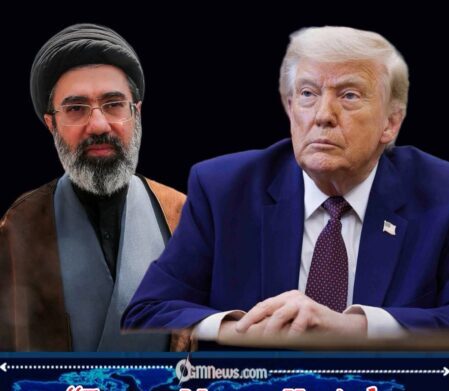
The peace deal negotiations between Iran and the current president-led United States have entered a tense and controversial phase as the issue of frozen Iranian assets becomes the defining obstacle in what was expected to be a major diplomatic breakthrough. The unfolding situation has sparked global attention after Iranian officials reportedly linked progress in talks to the release of approximately $24 billion in restricted funds, raising questions about whether diplomacy is being shaped by trust—or transactional pressure.
Diplomacy Goes Premium: Iran Selects “Cash-First” Negotiation Plan
The peace deal discussions reportedly intensified after Iranian representatives described the release of frozen funds as a “trust test” for Washington. According to the claims, the assets—held in various international accounts under sanctions regimes—represent Iranian oil revenues and financial holdings that Tehran insists are rightfully theirs.
The current president administration has not publicly committed to the demand, with internal debates reportedly centering on political consequences and strategic risks. Iranian officials, meanwhile, have warned of heightened instability should negotiations collapse, adding rhetorical weight to an already fragile diplomatic environment surrounding the frozen Iranian assets issue.
Iran Warns of “Dark Corridor” if Funds Remain Locked in Western Banks
The peace deal dispute does not exist in isolation. International observers note that frozen funds have long been used as leverage in sanctions negotiations involving Iran, often tied to nuclear agreements, regional security concerns, and humanitarian arrangements. Previous diplomatic frameworks have occasionally allowed limited access to restricted funds under strict monitoring systems.
However, the scale of the current demand—reportedly around $24 billion—has elevated the stakes significantly. Analysts suggest that releasing such funds could reshape future sanction strategies, potentially encouraging other states under restrictions to seek similar financial concessions as bargaining tools.
At the same time, critics argue that withholding the funds risks prolonging economic strain and undermining diplomatic momentum. The balance between deterrence and engagement remains delicate, especially as global powers monitor how the frozen Iranian assets question is resolved.
The outcome of these negotiations could redefine not only U.S.–Iran relations but also the broader architecture of international diplomacy, where financial assets increasingly intersect with geopolitical negotiation power. OGM News will continue tracking developments as both sides weigh their next move in this unfolding peace deal standoff.



mjpKyJqtopJmUkjsHEeNp