













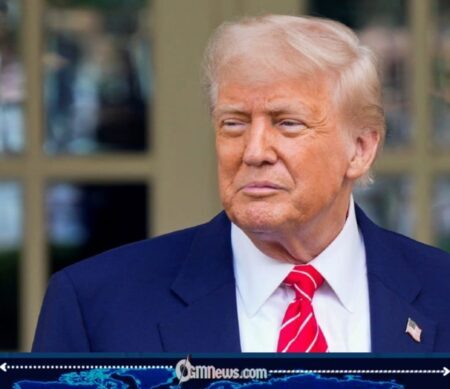
Defence spending became the defining message of US Secretary of Defense Pete Hegseth during his appearance at the Shangri-La Dialogue in Singapore, where he announced that President Donald J. Trump is preparing what he described as a “generational investment” of approximately $1.5 trillion in American military capabilities. The declaration was accompanied by a warning to allied nations: countries expecting American protection must be prepared to spend significantly more on their own defence.
The remarks immediately transformed a routine security discussion into a broader debate about the future of global alliances. While Washington presented the move as strategic necessity, critics argued that the language signaled a more transactional approach to international partnerships. The speech also arrived at a time when geopolitical tensions remain elevated across the Indo-Pacific, placing additional attention on how America intends to balance military commitments with expectations from its allies.
Model Allies
According to Hegseth, the United States is undertaking what he described as a historic manufacturing mobilisation of its defence industrial base. The administration plans to expand military production, modernise weapons programs, strengthen shipbuilding capabilities and accelerate investment in advanced technologies. The announcement aligns with previous Pentagon statements emphasizing military readiness, deterrence and long-term strategic competition.
The strongest reaction, however, came from Hegseth’s comments directed at allied nations. He urged partners to commit at least 3.5 percent of gross domestic product to defence spending and suggested that Washington would increasingly prioritize relationships with “model allies” willing to make such commitments. He further warned that nations continuing to rely heavily on American security guarantees without substantially increasing their own military budgets should expect changes in how the United States conducts defence partnerships.
Defence Spending Reality
The defence spending debate did not emerge in isolation. For years, American administrations from both major political parties have argued that allies should contribute more toward collective security arrangements. The Trump administration has amplified those demands, framing burden-sharing as essential in an era of rising competition with China and growing instability across multiple regions. Hegseth’s Singapore speech reflected that broader strategic shift while reinforcing the administration’s focus on military strength and industrial expansion.
Analysts note that many US partners already face difficult fiscal and political decisions regarding defence budgets. Some governments have increased military spending in response to regional threats, while others remain reluctant to adopt fixed GDP targets. The pressure could prove especially challenging in Asia, where countries must balance security concerns with economic relationships throughout the region. Several observers have also pointed out that demands for larger defence contributions may strengthen deterrence but could simultaneously generate friction among allies uncomfortable with what appears to be a more conditional approach to cooperation.
For now, the message from Washington is unmistakable. Defence spending is no longer being presented as a recommendation but as a benchmark for future partnership. Whether allies embrace the role of “model allies” or push back against the new expectations may determine the next chapter of America’s global security strategy. OGM News will continue monitoring how governments respond to the growing pressure and whether the promised $1.5 trillion investment reshapes military alliances as dramatically as its architects suggest.

Logging in is a breeze and the site stability is amazing even during peak hours....