










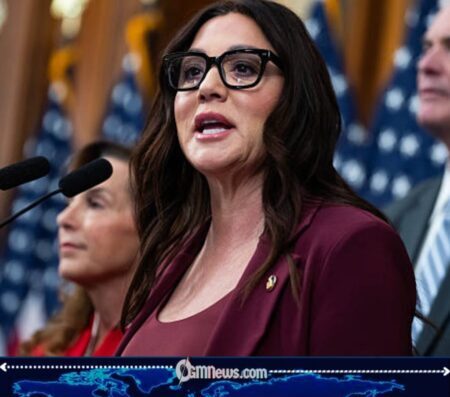
Lori Chavez-DeRemer has taken center stage in a sweeping federal review of California’s unemployment insurance (UI) program, announcing the deployment of a Labor Department “strike team” to examine allegations of improper payments and systemic weaknesses. The move signals a heightened federal focus on accountability within one of the nation’s largest state-run benefits systems.
The initiative follows findings that California’s UI trust fund has been depleted and that the state has borrowed approximately $21 billion in federal funds to sustain benefit payments.
Federal officials say the financial strain has resulted in higher unemployment insurance taxes for employers as the state works to repay its debt.
A Firm Stance from the Labor Secretary
As head of the United States Department of Labor, Lori Chavez-DeRemer has framed the strike team’s mission as part of a broader commitment to transparency and fiscal discipline. In a public statement, she underscored the need for a thorough examination of both financial irregularities and potential fraud.
“Financial issues and potential fraud in California’s unemployment insurance program will be fully examined. The previous administration turned a blind eye toward failing Labor programs: This ends now,” Chavez-DeRemer said. Her remarks reflect a sharper oversight posture from the department under current leadership.
Officials within the department have emphasized that the review will be data-driven and comprehensive, focusing not only on identifying past issues but also on recommending long-term reforms to strengthen the system.
California’s Financial Challenges in Focus
The depleted trust fund has become a central concern in the review ordered by Chavez-DeRemer. During the pandemic-era surge in unemployment claims, California relied heavily on federal loans to continue paying benefits.
The outstanding $21 billion debt has triggered automatic federal unemployment tax increases for employers in the state. Business groups argue that these higher taxes could affect hiring decisions and operational budgets, particularly for small and medium-sized enterprises.
Chavez-DeRemer has indicated that restoring fiscal stability is essential, noting that sustainable funding mechanisms are critical to protecting workers during economic downturns without placing undue strain on employers.
Addressing Allegations of Fraud and Improper Payments
A key aspect of Chavez-DeRemer’s directive involves examining reports of improper payments and fraudulent claims. Previous audits revealed vulnerabilities in eligibility verification processes, including cases involving identity theft and organized fraud networks.
The strike team is expected to assess how safeguards were implemented and whether corrective measures introduced in recent years have been effective. Federal officials have stated that the goal is not only to recover lost funds where possible but also to prevent similar issues in the future.
By prioritizing program integrity, Chavez-DeRemer aims to reinforce public confidence in unemployment insurance systems, ensuring that benefits reach eligible recipients while protecting taxpayer resources.
Oversight During President Trump’s Second Term
The review aligns with broader federal oversight initiatives under President Donald Trump, who is serving a second term. The administration has emphasized reducing improper payments and strengthening compliance across federal programs.
Chavez-DeRemer’s actions reflect this policy direction, positioning the Labor Department as proactive in identifying and addressing vulnerabilities. While the current review is focused on California, officials have indicated that oversight efforts are ongoing nationwide.
Observers note that the outcome of the investigation could influence how unemployment insurance programs are managed in other states, particularly those facing similar fiscal pressures.
Reform and Accountability
As the strike team begins its work, Chavez-DeRemer’s leadership will remain under close scrutiny. Stakeholders—including state officials, employers, and labor advocates—are awaiting findings that may shape future policy decisions.
The Labor Secretary has signaled that the department’s approach will balance enforcement with reform. By combining detailed audits with policy recommendations, the review aims to restore financial health to California’s unemployment insurance program and set clearer standards for accountability nationwide.
In placing Lori Chavez-DeRemer at the forefront of this initiative, the federal government has underscored its intention to tighten oversight and reinforce the integrity of labor programs during a period of renewed national focus on fiscal responsibility.


