


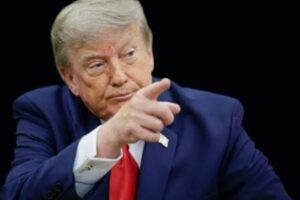


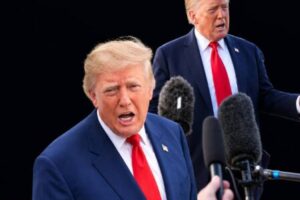

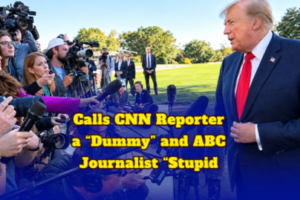

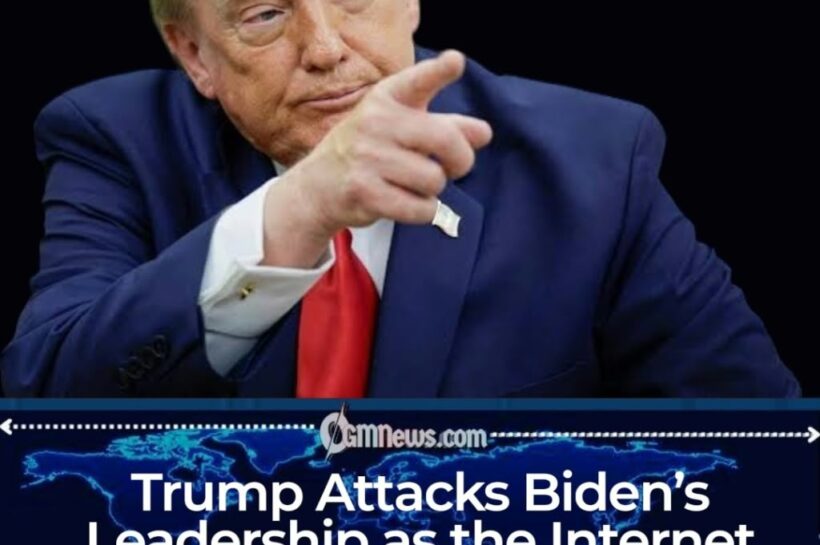




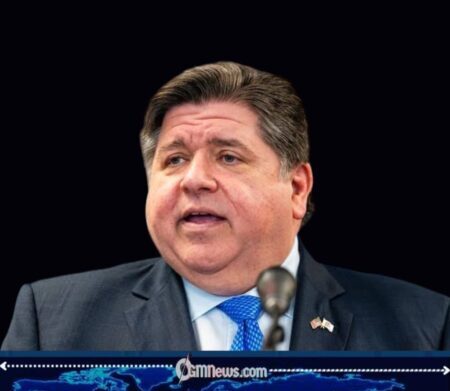
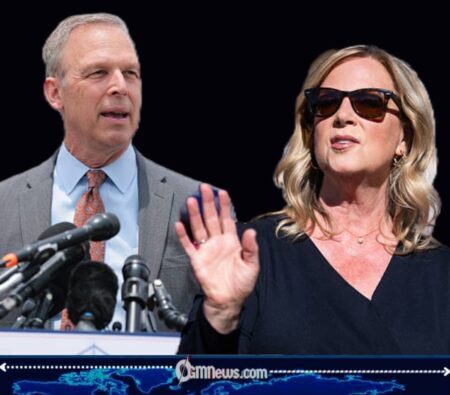
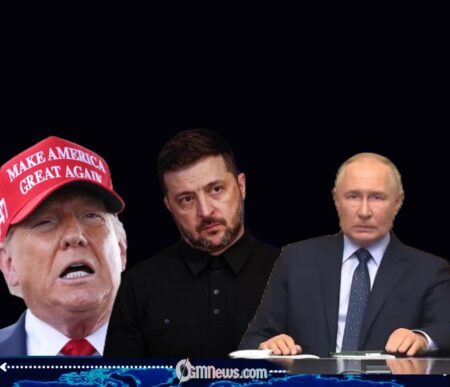
The Farming Crisis dominating political discussions in Illinois intensified this week after Governor JB Pritzker sharply criticized President Donald Trump, accusing the administration of policies that are hurting farmers and destabilizing rural economies. The remarks immediately triggered a wave of political backlash and online debate, with supporters of Trump defending his economic agenda while critics argued that many agricultural communities are increasingly burdened by uncertainty tied to trade disputes and rising operational costs. What initially appeared to be another routine political disagreement has rapidly transformed into a broader national argument over whether America’s farmers are quietly paying the price for aggressive economic strategies designed to strengthen the country’s global leverage.
Illinois Farmers Face Uncertainty Amid Trump Economic Push
Governor JB Pritzker’s criticism focused heavily on the growing financial pressure facing Illinois farmers, particularly those dependent on exports and stable international trade relationships. Illinois remains one of the country’s major agricultural producers, with corn and soybean farming playing critical roles in the state economy. According to analysts and agricultural advocates, ongoing trade disputes over recent years have created unpredictable market conditions that continue to impact pricing and farmer confidence. While the Trump administration has repeatedly defended tariffs as necessary tools to protect American industries and challenge foreign competitors, critics argue the measures have also triggered retaliatory actions affecting agricultural exports.
The Farming Crisis narrative has become especially powerful because rural communities often serve as political battlegrounds where economic frustration can quickly translate into political consequences. Some farming organizations have warned that prolonged uncertainty surrounding exports, equipment costs, and supply chain disruptions could continue weakening smaller farming operations already operating on tight margins. Supporters of President Trump insist the long-term objective remains strengthening American manufacturing and reducing dependence on foreign markets, but opponents claim the immediate burden placed on agricultural states like Illinois cannot be ignored. In many farming towns, conversations about tariffs have increasingly replaced traditional debates about weather and harvest yields.
Illinois Governor Sparks National Debate by Blaming Trump for Agricultural Decline
The Tariffs debate extends far beyond Illinois and reflects broader national concerns about inflation, global competition, and economic nationalism. Economists have long noted that tariffs can produce mixed outcomes, benefiting certain domestic industries while simultaneously increasing costs elsewhere in the economy. Agricultural producers are particularly vulnerable because international buyers can often shift purchases to competing markets when trade tensions escalate. During previous trade disputes involving China and other major economic partners, several American farm sectors experienced reduced export opportunities and increased uncertainty surrounding commodity prices.
Political observers say the renewed conflict between Governor Pritzker and President Trump may also signal a larger strategy ahead of future elections, where rural economic messaging is expected to become increasingly influential. Democrats have attempted to gain traction among working-class and rural voters by highlighting concerns about healthcare, infrastructure, and agricultural stability, while Republicans continue emphasizing economic protectionism and domestic industrial growth.
Amid the political rhetoric, many farmers appear less interested in ideological battles and more focused on practical concerns such as fuel prices, fertilizer costs, weather disruptions, and maintaining profitable harvests in an increasingly unstable global market. Even some residents jokingly remarked online that the only thing growing faster than corn prices is the number of politicians suddenly claiming expertise in soybean economics.
The Farming Crisis conversation is unlikely to disappear anytime soon as economic pressures, trade uncertainty, and political competition continue shaping America’s agricultural landscape. OGM News understands that both supporters and critics of President Donald Trump are expected to intensify their messaging in the months ahead, turning rural America into one of the most closely watched political and economic battlegrounds in the country.
The registration process was so simple and I started playing within minutes. Promotions come in...