


















Drug Boat operations have become one of the most debated elements of President Donald J. Trump’s anti-cartel strategy, and the latest deadly strike in the eastern Pacific has once again placed the policy under intense scrutiny. One man was killed and two others survived after U.S. forces targeted a vessel suspected of transporting narcotics. While officials describe the operation as another successful blow against criminal networks, critics argue the incident raises difficult questions about evidence, accountability, and the growing militarization of anti-drug enforcement. The suspense now centers on whether further details will support the government’s claims or deepen concerns already surrounding the campaign.
Drug Boat or Wrong Boat? Questions Follow Deadly U.S. Strike
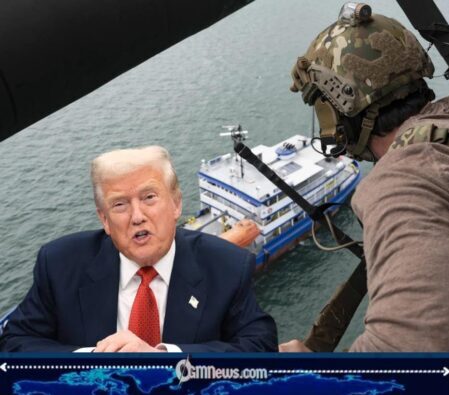
The Drug Boat strike occurred in the eastern Pacific Ocean, where U.S. Southern Command said it targeted a vessel allegedly operating along known narcotics-trafficking routes. Military footage released after the operation showed the boat moving across the water before an explosion engulfed it in flames. Officials stated that rescue authorities were immediately alerted to search for survivors, resulting in two people being found alive after the attack.
The latest incident forms part of a broader maritime campaign launched in September. According to official figures cited in recent reports, nearly 200 people have been killed during strikes against suspected trafficking vessels in the eastern Pacific and Caribbean regions. The Trump administration argues that these operations are necessary to combat cartel activity and reduce the flow of illegal drugs into American communities. Critics, however, note that authorities have not publicly released evidence confirming narcotics were aboard many of the targeted boats.
Trump’s Anti-Cartel War Faces New Scrutiny After Pacific Death
The Drug Boat campaign has increasingly attracted attention from legal scholars, lawmakers, and oversight bodies. The Pentagon’s inspector general recently announced a review into whether military targeting procedures were properly followed during these operations. The review will focus on operational processes rather than determining the legality of the strikes themselves, a distinction that has prompted further debate among observers.
Additional reporting indicates that human rights organizations and military law experts have questioned whether the strikes comply with international legal standards. Some critics have described the attacks as extrajudicial actions, while administration officials maintain they are part of a broader conflict against cartel organizations that they characterize as national security threats. The disagreement highlights a growing divide between those prioritizing aggressive enforcement and those demanding stronger legal safeguards and public transparency.
The Drug Boat controversy appears far from over. Supporters view the strikes as a decisive response to organized crime operating beyond traditional law-enforcement reach, while opponents argue that unanswered questions continue to accumulate beneath the waves. As investigations proceed and oversight reviews continue, OGM News will closely monitor whether future findings reinforce the administration’s position or add further turbulence to an already stormy debate.



Logging in is a breeze and the site stability is amazing even during peak hours....