

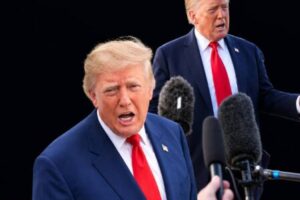





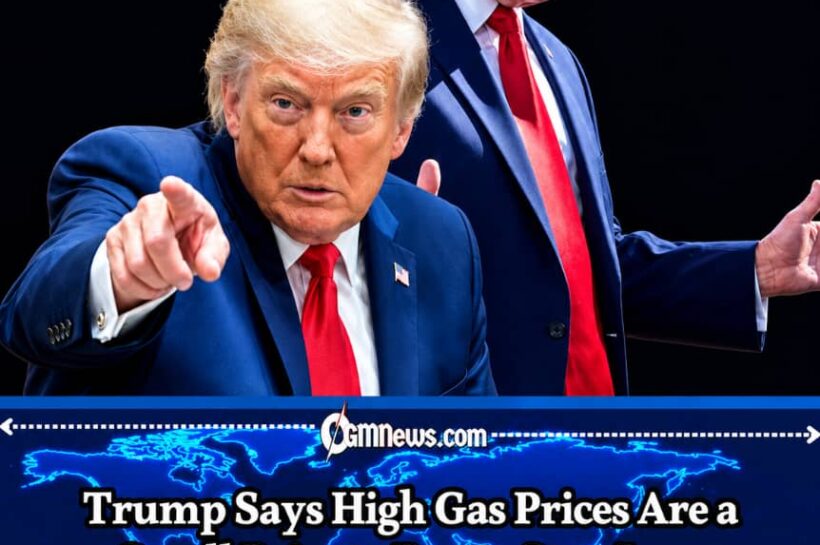
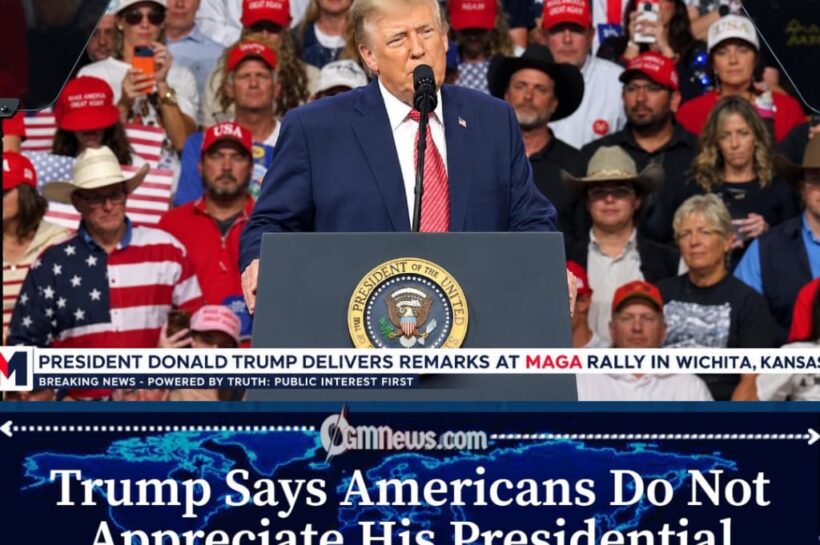




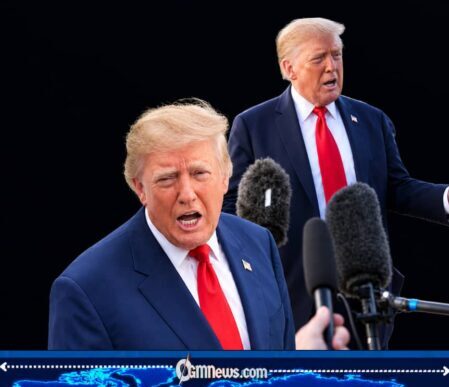
Donald Trump claimed that global energy systems are approaching a critical breaking point, warning that the world may have only a few weeks of dependable oil reserves left. His comments, framed in unusually stark terms, have intensified global attention on an already fragile geopolitical situation.
The statement comes amid reports that the Strait of Hormuz remains closed, restricting one of the most important maritime routes for global oil transportation. Donald Trump further asserted that a previously negotiated arrangement with Iran has collapsed entirely, describing it as a failed peace effort now unraveling under geopolitical pressure.
STRAIT OF HORMUZ
The Strait of Hormuz is widely regarded as one of the most strategically important energy corridors in the world, with a significant portion of global crude oil shipments passing through it daily. Any disruption in the region typically triggers immediate concern in energy markets, making it a focal point of international diplomacy and military planning.
Donald Trump’s latest comments have placed renewed focus on the region, especially as shipping activity reportedly remains restricted. While official confirmations on the full extent of the closure remain limited, the perception of instability alone has been enough to fuel anxiety across global trading markets.
In his remarks, Donald Trump linked the situation directly to the breakdown of diplomatic progress with Iran, suggesting that earlier efforts to stabilize relations have now failed. Analysts note, however, that the situation involves multiple overlapping factors, including long-standing regional rivalries, maritime security disputes, and broader energy politics that extend beyond any single agreement.
GLOBAL ENERGY PRESSURE AND POLITICAL NARRATIVES
Energy experts caution that claims about extremely limited global oil reserves are often context-dependent, influenced by production adjustments, strategic reserves, and alternative supply routes. While short-term disruptions can create volatility, long-term shortages depend on broader market and policy dynamics rather than immediate depletion.
Donald Trump’s framing of the issue has nonetheless amplified public concern, particularly as markets respond to uncertainty surrounding the Strait of Hormuz. The intersection of political messaging and energy security has once again highlighted how quickly statements from high-profile leaders can influence global sentiment.
At the same time, diplomatic observers emphasize that the situation remains fluid, with ongoing discussions likely aimed at restoring maritime access and reducing tensions. Whether Donald Trump’s warnings reflect an imminent crisis or a heightened political interpretation of existing instability remains a central question as developments continue.
As attention remains fixed on the Strait of Hormuz, the coming days will determine whether diplomatic efforts can stabilize the region or whether rhetoric and reality continue to drift further apart under escalating geopolitical pressure.

Downloaded the 881betapp the other day. Clean interface, does the job. Quick and easy betting...