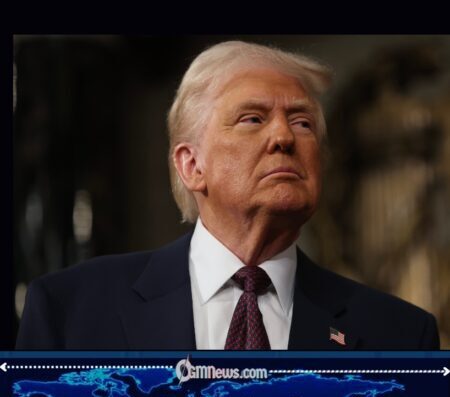





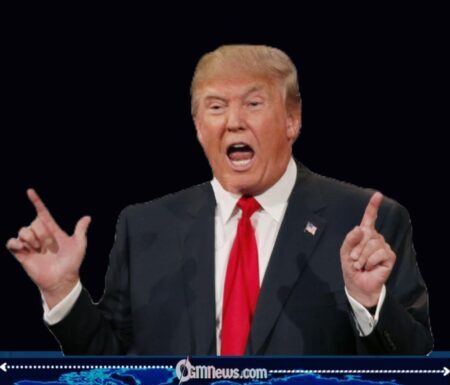
Donald Trump has come under growing scrutiny following the outbreak of hostilities involving Iran and remarks suggesting support for political change in Cuba. The developments have reignited debate over the direction of U.S. foreign policy and the administration’s approach to global conflicts.
Donald Trump has pushed back strongly against criticism, arguing that opponents have unfairly labeled him “militaristic.” The president insists his administration has worked to end multiple conflicts around the world, a claim that has been challenged by critics and debated widely among foreign policy experts.
Escalation of Tensions With Iran
Donald Trump authorized actions that led to heightened tensions between the United States and Iran, drawing international attention and concern. Analysts warn that the latest confrontation could risk expanding into a wider regional conflict if diplomatic solutions are not pursued.
Donald Trump has defended the administration’s actions as necessary measures to protect American interests and deter potential threats. Officials within the administration argue that strong responses are sometimes required to maintain stability and safeguard U.S. allies.
Donald Trump now faces pressure from lawmakers and global leaders who are urging restraint and renewed diplomatic engagement to prevent the situation from escalating further.
Comments on Cuba Raise Diplomatic Concerns
Donald Trump also stirred debate after making comments interpreted by some observers as support for regime change in Cuba. The remarks have prompted discussion among policymakers about the potential implications for relations in the Western Hemisphere.
Donald Trump has maintained that his statements reflect longstanding concerns over governance and human rights in Cuba rather than an immediate plan for military intervention.
Donald Trump nevertheless faces questions from diplomats and analysts who caution that strong rhetoric regarding regime change can heighten tensions and complicate international relations.
Rejecting the “Militaristic” Label
Donald Trump has publicly rejected the suggestion that his administration is pursuing an aggressive or militaristic foreign policy. The president argues that critics have ignored efforts made during his presidency to scale back certain military engagements.
Donald Trump has repeatedly said that his policies are intended to promote strength while avoiding unnecessary conflicts. Supporters argue that this approach balances deterrence with diplomacy.
Donald Trump continues to emphasize that his administration prefers negotiation and strategic pressure rather than long-term military involvement.
Dispute Over Claims of Ending Wars
Donald Trump has repeatedly stated that he ended eight wars during his time in office, presenting the claim as evidence of a commitment to reducing global conflicts.
Trump faces disagreement from analysts who argue that several conflicts remain unresolved or have shifted into different forms rather than being conclusively ended.
Donald Trump supporters counter that the administration has reduced troop deployments and pursued diplomatic negotiations that helped de-escalate certain situations.
Congressional and Global Reactions
Donald Trump is now encountering calls from members of Congress for clearer explanations regarding the administration’s military strategy and objectives.
Trump has been urged by some lawmakers to consult more closely with Congress before undertaking actions that could lead to extended military engagements.
Trump also faces scrutiny from international partners who are watching developments closely and encouraging diplomatic efforts to prevent broader instability.
Implications for U.S. Foreign Policy
Donald Trump now finds his foreign policy approach under renewed examination as tensions persist and debate intensifies in Washington and abroad.
Trump must navigate a complex international environment where decisions related to Iran and Cuba could influence global perceptions of U.S. leadership.
Trump remains at the center of an ongoing debate about how the United States should balance military strength, diplomacy, and long-term stability in its global engagements.