























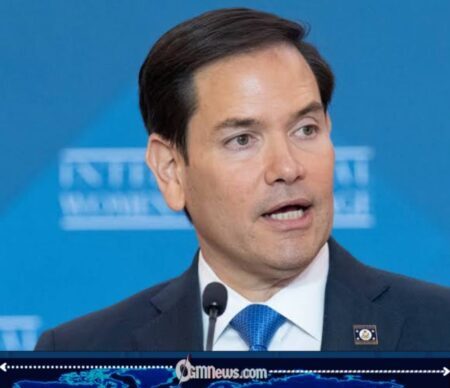
Diplomatic Pressure surrounding the Iran conflict escalated sharply on Monday after Secretary of State Marco Rubio warned that the United States was prepared to pursue “another way” if ongoing negotiations with Tehran fail to deliver a workable agreement. The remarks came as Washington simultaneously attempted to lower expectations for an immediate diplomatic breakthrough while maintaining a military blockade linked to the increasingly volatile Hormuz Standoff. As public optimism collides with unresolved disputes over sanctions, nuclear restrictions, and regional security, negotiators now appear trapped between the fear of wider war and the political risks of compromise.
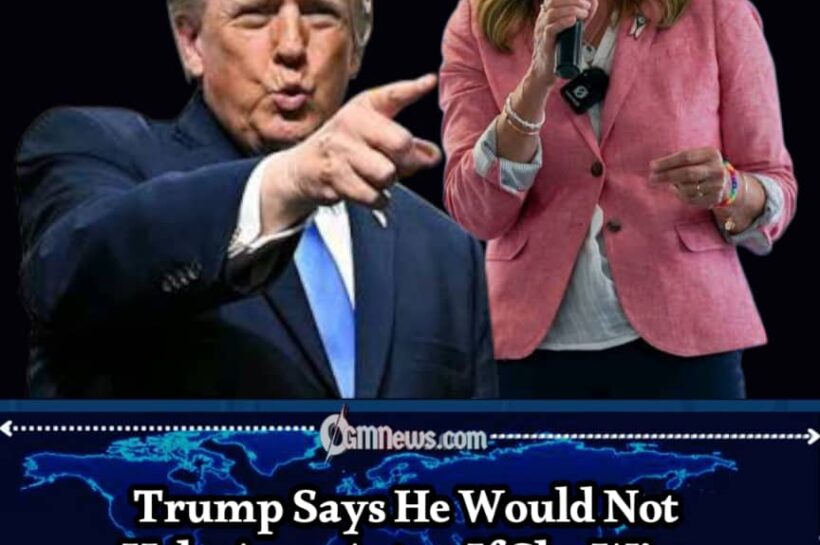
Rubio made the comments during a visit to New Delhi, where he stressed that diplomacy would be given every possible opportunity to succeed before alternatives were considered. His remarks followed statements by President Donald J. Trump suggesting negotiators should avoid rushing the process despite signs of movement surrounding proposals tied to reopening the Strait of Hormuz and addressing Iran’s nuclear ambitions.
Diplomatic Pressure Intensifies Around Iran Negotiations
The Diplomatic Pressure campaign now unfolding reflects a broader effort by Washington to maintain leverage while keeping negotiations alive. Rubio described discussions surrounding the Strait of Hormuz as “pretty solid,” noting that proposals under consideration could allow shipping through the strategic waterway to resume while broader nuclear negotiations proceed under strict timelines.
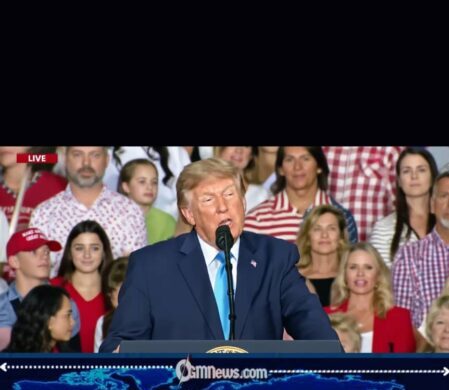
At the same time, Trump reinforced the administration’s tougher position by announcing that the American blockade on Iranian ships would remain fully operational until any agreement is officially finalized and verified. The strategy appears designed to combine economic and military pressure with diplomatic outreach, though critics argue the mixed messaging risks undermining trust during already fragile negotiations.
Iranian-linked media outlets quickly signaled skepticism toward Washington’s position. The Tasnim news agency, which is associated with Iran’s Revolutionary Guards, reported that the United States was still obstructing key Iranian demands, particularly those involving the release of frozen funds and sanctions relief. Iranian parliamentary spokesperson Ebrahim Rezaei also emphasized that Tehran’s negotiating approach would follow an “action for action” principle, suggesting reciprocal responses to American decisions both militarily and diplomatically.
The Hormuz Standoff remains central to the crisis because the waterway traditionally carries roughly one-fifth of global oil and liquefied natural gas shipments. Since conflict erupted earlier this year involving the United States, Israel, and Iran, instability around the strait has triggered repeated shocks across global energy markets and heightened fears of broader economic disruption.
Hormuz Standoff Reveals Fragility Beneath Public Diplomatic Pressure
The Hormuz Standoff has increasingly become a symbol of how modern geopolitical crises unfold simultaneously through diplomacy, military positioning, and public messaging campaigns. While both Washington and Tehran continue describing negotiations as active, their public statements often appear carefully designed for domestic audiences as much as for diplomatic counterparts.
Several difficult issues remain unresolved despite recent progress. Iran continues demanding significant sanctions relief, the release of billions of dollars in frozen oil revenues, and adjustments to regional military arrangements. Meanwhile, the United States remains focused on preventing Iran from developing nuclear weapons capabilities while also managing tensions involving Israel and Iranian-backed groups such as Hezbollah in Lebanon.
Regional governments are also playing an increasingly important role behind the scenes. Gulf states have quietly encouraged de-escalation efforts due to fears that prolonged instability could damage trade, investment, and energy exports. Pakistan has continued mediating discussions between Washington and Tehran, attempting to narrow differences and reduce the likelihood of renewed military escalation.
Analysts say the extended nature of the crisis is beginning to expose the limits of coercive diplomacy. The Trump administration’s strategy of combining sanctions, military pressure, and direct negotiation initially produced rapid shifts in several international disputes. Iran, however, has proven more resistant to quick resolution, creating a prolonged standoff with growing global consequences.
As Diplomatic Pressure continues building around the Hormuz Standoff, the coming days may determine whether the negotiations evolve into a lasting framework or collapse into renewed confrontation. For now, diplomats, investors, and regional governments remain caught between cautious optimism and the uncomfortable reality that modern peace talks increasingly resemble controlled brinkmanship performed in front of a global audience.
[…] […]