



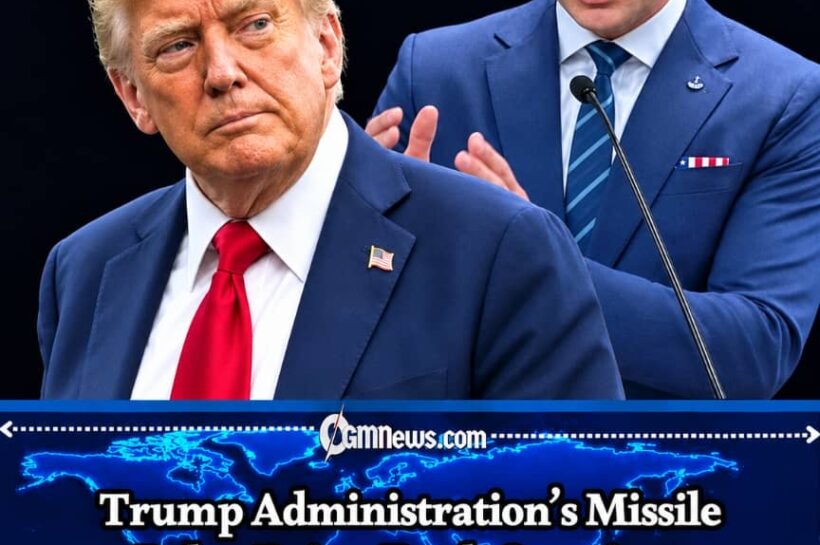




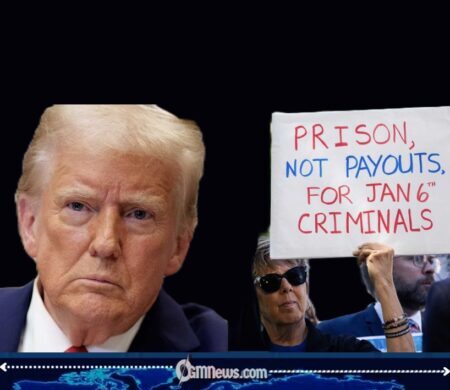
The Anti-Weaponization Fund has become the latest flashpoint in Washington’s escalating struggle over political power, taxpayer money and public trust after a federal judge indefinitely blocked the Trump administration’s proposed $1.8 billion compensation program. While administration officials have publicly suggested the initiative is no longer moving forward, the court found those assurances insufficient, creating a dramatic legal standoff over whether the fund is genuinely dead or merely waiting for a more favorable moment to return.
Federal Judge Extends Halt on Controversial Anti-Weaponization Program
The Anti-Weaponization Fund emerged from a settlement tied to President Donald Trump’s lawsuit against the Internal Revenue Service regarding the disclosure of his tax information. The Justice Department established a framework that would allow qualified applicants to seek compensation after demonstrating they were victims of what supporters describe as government “lawfare” or political “weaponization.” The proposal envisioned a commission overseeing the distribution of approximately $1.776 billion in potential payouts.
However, Judge Leonie Brinkema concluded that public statements alone were not enough to guarantee the plan’s demise. During court proceedings, she highlighted the absence of formal written action rescinding the initiative and questioned why the order creating the fund had not been officially withdrawn. As a result, the court issued a preliminary injunction and ordered the administration to provide sworn declarations confirming the fund will not proceed. Plaintiffs challenging the proposal argued that it could improperly direct taxpayer resources toward a narrowly defined group of beneficiaries while excluding others who may have experienced government misconduct.
Questions Remain as Court Freezes Anti-Weaponization Fund Indefinitely
The controversy surrounding the Anti-Weaponization Fund extends beyond the courtroom and reflects a wider debate about how governments should address allegations of political targeting. The proposal attracted criticism not only from Democratic opponents but also from some Republicans who questioned both its legal foundation and its potential beneficiaries. Critics frequently referred to the initiative as a “slush fund,” arguing that public money should not be distributed through a process perceived as politically selective.
Adding to the uncertainty, reports indicate that some Trump allies are exploring alternative legal pathways to compensate individuals who claim they were harmed by government actions, including potential use of existing federal claims mechanisms. These developments have reinforced judicial concerns that the underlying concept remains active despite official statements suggesting otherwise. The dispute therefore raises broader questions about executive authority, the use of federal settlement funds, and the standards courts should apply when governments claim controversial programs have been abandoned without formally dismantling them.
For now, the Anti-Weaponization Fund remains frozen by court order, but the political and legal debate surrounding it is unlikely to disappear. Whether the administration submits the sworn assurances demanded by the court—or whether alternative compensation efforts emerge elsewhere—will shape the next phase of a dispute that has already become a major test of transparency, accountability and public confidence in government decision-making. OGM News will continue monitoring developments as new court filings and official responses emerge.

Downloaded the 881betapp the other day. Clean interface, does the job. Quick and easy betting...