
















Oil prices surged toward and beyond the $100-per-barrel threshold on Tuesday after renewed U.S. military strikes against Iran reignited fears of a wider Middle East confrontation, triggering fresh anxiety across global financial markets and reviving memories of previous energy shocks that battered consumers worldwide. The sudden jump in crude prices immediately intensified concerns over inflation, transportation costs, and economic instability, while investors rushed to assess whether the region was approaching another prolonged conflict capable of disrupting international energy supplies.
Escalation Amid Growing Tensions On High Rise Of Oil
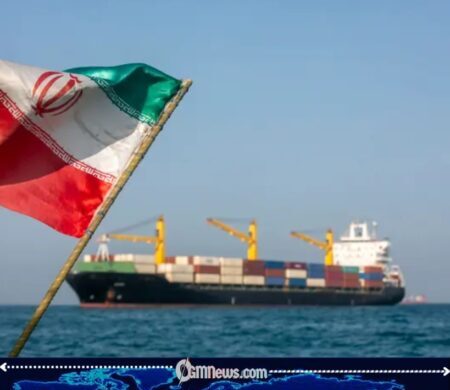
The latest Oil Prices surge followed reports of fresh American military operations targeting Iranian-linked positions amid growing regional tensions that have steadily intensified over recent weeks. Market traders reacted sharply to the possibility that Iran could retaliate directly or indirectly in ways capable of threatening shipping routes around the Strait of Hormuz, one of the world’s most critical oil transit corridors. Historically, even the perception of danger in the area has been enough to trigger aggressive buying activity in global oil markets.
The renewed instability arrives at a particularly sensitive period for many economies already battling stubborn inflation, currency weakness, and public frustration over living costs. Several analysts warned that prolonged high Oil Prices could place enormous pressure on fuel-importing countries, especially developing nations where transport and electricity generation heavily depend on petroleum products. In some regions, fears of higher fuel costs quickly spread into discussions about rising food prices and broader economic hardship.
Shockwaves And Backlash In Political Agreement
Beyond the immediate market reaction, the latest Oil Prices rally also exposed how vulnerable the global economy remains to geopolitical conflict despite years of promises about energy diversification and transition policies. Financial observers noted that traders increasingly respond to military developments in real time, often pricing in worst-case scenarios before any actual supply disruption occurs. The current spike reflects not only concern about physical oil shortages, but also widespread uncertainty about how far tensions between Washington and Tehran could escalate.
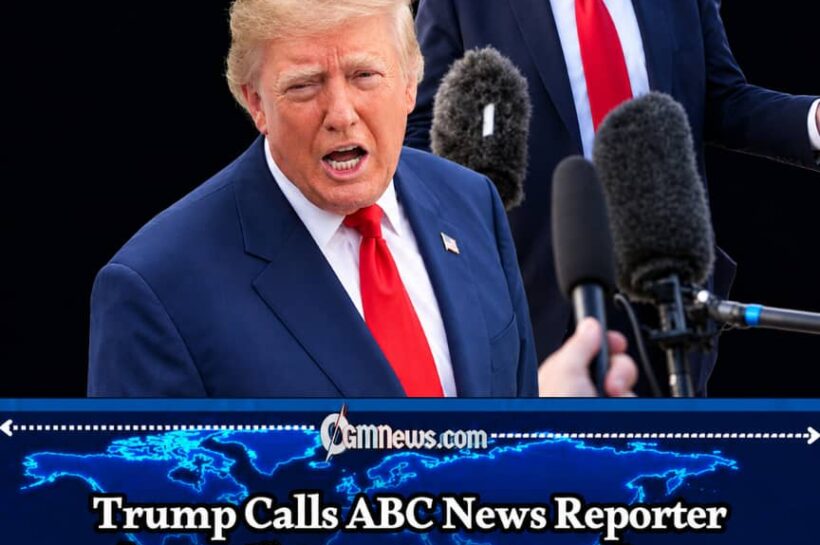
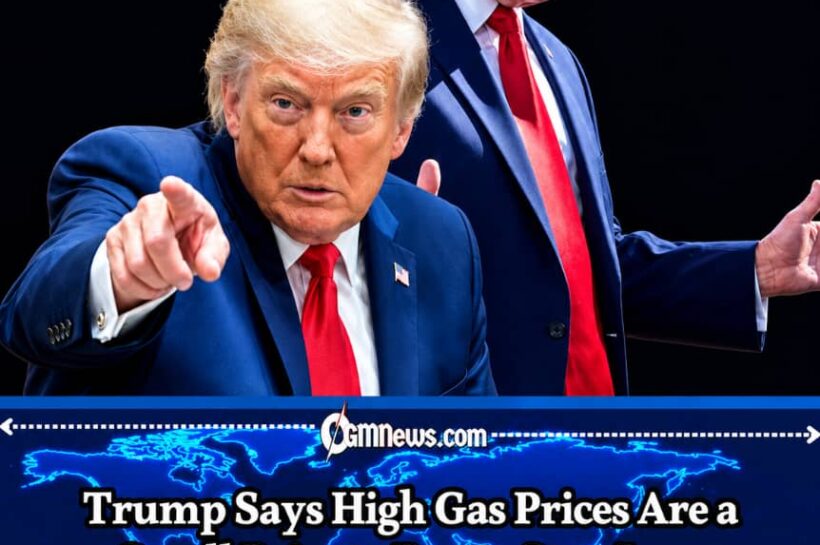
President Donald J. Trump’s administration has defended its military posture as necessary for protecting American interests and regional stability, but critics argue that every new strike risks pulling the global economy deeper into another cycle of uncertainty and energy-driven inflation. Meanwhile, energy companies and commodity traders stand to benefit from heightened volatility, even as ordinary consumers worldwide prepare for the familiar consequences of rising Oil Prices at petrol stations, supermarkets, and transportation hubs.
Social media reactions reflected both frustration and exhaustion among citizens already dealing with difficult economic conditions. While economists debated strategic reserves and supply forecasts, online users responded with humor, joking that fuel prices were becoming more dramatic than stock markets. Others sarcastically suggested that walking might soon replace driving as the world’s most affordable transportation option if tensions continue escalating.
For now, global attention remains fixed on whether diplomatic channels can prevent further military escalation between the United States and Iran. Investors, governments, and consumers alike understand that the next developments in the Middle East may determine whether Oil Prices stabilize temporarily or begin another painful climb capable of reshaping economic realities across multiple continents. OGM News will continue monitoring developments as markets and political leaders react to the rapidly evolving crisis.



Logging in is a breeze and the site stability is amazing even during peak hours....