
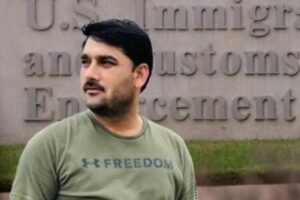







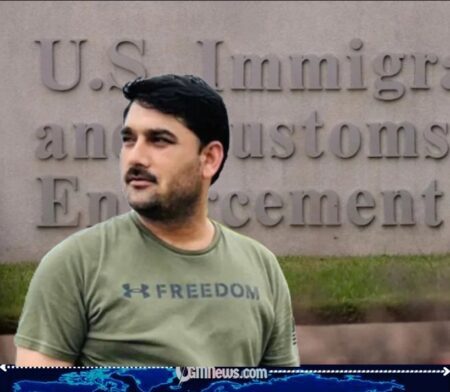
The death of Mohommad Nazeer Paktyawal, a 41-year-old Afghan national and former U.S. military ally, has ignited renewed scrutiny of immigration enforcement practices in the United States. Paktyawal, a father of six who was resettled in the country after the 2021 withdrawal from Afghanistan, died less than 24 hours after being taken into custody by U.S. Immigration and Customs Enforcement in Texas.
His sudden death, following reports of a medical emergency while in detention, has prompted conflicting narratives between authorities and advocates, while also raising broader concerns about detainee welfare, due process, and the treatment of Afghan evacuees who supported U.S. operations abroad.
Identity and Background Of Paktyawal
Paktyawal was widely described by family members and advocacy groups as a dedicated father and longtime supporter of U.S. military operations during the war in Afghanistan. According to these accounts, he worked alongside American forces—including Special Forces units—for more than a decade, a role that later qualified him for evacuation during the 2021 U.S. withdrawal.
After arriving in the United States, he settled in Richardson, Texas, where he lived with his wife and six children. As the family’s primary breadwinner, he reportedly worked in the Dallas area, including at an Afghan bakery or market, while pursuing legal pathways to remain in the country through an asylum application.
Advocacy organizations, including AfghanEvac, have emphasized his contributions, portraying him as one of many Afghan nationals who risked their lives to assist U.S. missions and are now navigating complex immigration processes.
Arrest by ICE
Paktyawal was arrested on March 13, 2026, by agents of U.S. Immigration and Customs Enforcement outside his home. Reports indicate that the arrest occurred as he was preparing to take his children to school, an event that family members say unfolded in front of them.
Authorities described the operation as a targeted enforcement action, citing prior arrests in 2025 related to alleged food stamp fraud and theft. However, available reports indicate that he had not been convicted of these charges at the time of his detention.
Officials also stated that his temporary parole status had expired in 2025. In contrast, his family maintains that he had an active immigration case and valid work authorization, highlighting a dispute over his legal standing at the time of arrest.
Medical Emergency and Death
Within hours of being taken into custody, Paktyawal reportedly began experiencing severe health symptoms, including chest pain and shortness of breath, while undergoing processing at an ICE facility. His condition prompted a transfer to Parkland Memorial Hospital in Dallas.
Medical personnel later observed that his tongue had become swollen, suggesting a possible severe allergic reaction or other acute medical complication. Despite emergency interventions, including cardiopulmonary resuscitation, he was pronounced dead the following morning.
The official cause of death has not yet been determined, and authorities have indicated that a full investigation is ongoing. The rapid progression from detention to death has intensified calls for transparency regarding the circumstances surrounding his medical care.
Conflicting Narratives
The case has been marked by sharply divergent accounts from government officials and advocacy groups. U.S. Immigration and Customs Enforcement has characterized Paktyawal as an individual with a criminal record and stated that there is no verified evidence of his service alongside U.S. forces.
By contrast, family members and organizations such as AfghanEvac strongly dispute this portrayal, insisting that he did in fact support American military operations and that his contributions are being overlooked or misrepresented.
These conflicting narratives have complicated public understanding of the case, while also raising broader questions about how former allies are documented, recognized, and treated within the U.S. immigration system.
Family Impact
Paktyawal’s death has left a profound void for his immediate family, including his wife and six children, one of whom is reportedly an infant. Relatives describe the emotional toll as devastating, particularly given the circumstances of his arrest and the speed with which events unfolded.
Family members have recounted how his detention occurred in front of his children, an experience they say has compounded their grief. They are now calling for accountability and a thorough investigation into the events leading up to his death.
Community members and local advocates have also rallied around the family, emphasizing the need for support and highlighting the broader implications for other Afghan families navigating similar legal uncertainties.
Wider Concerns and Investigations
Paktyawal’s death is not an isolated incident but part of a broader pattern that has raised alarms among lawmakers and civil society groups. Reports indicate that between 12 and 14 individuals have died in ICE custody in 2026 alone, prompting renewed scrutiny of detention conditions and medical protocols.
Advocates are calling for independent investigations into the standards of care provided in immigration detention facilities, as well as greater oversight to ensure that detainees receive timely and adequate medical attention.
The case has also intensified debate over U.S. immigration policies, particularly regarding Afghan evacuees who were brought to the country after assisting American forces. Critics argue that such individuals should receive more consistent protections, while policymakers face mounting pressure to address gaps in the system.
Key Takeaways
The death of Mohommad Nazeer Paktyawal underscores several critical issues facing the U.S. immigration system. He died within 24 hours of entering ICE custody, with the cause of death still unknown and under investigation.
Disputes over his background, legal status, and alleged criminal record have further complicated the case, while his death has become a focal point in the national conversation about detention practices and accountability.
As investigations proceed, the outcome may have significant implications for immigration enforcement policies, detainee rights, and the treatment of individuals who once supported U.S. missions abroad.