
















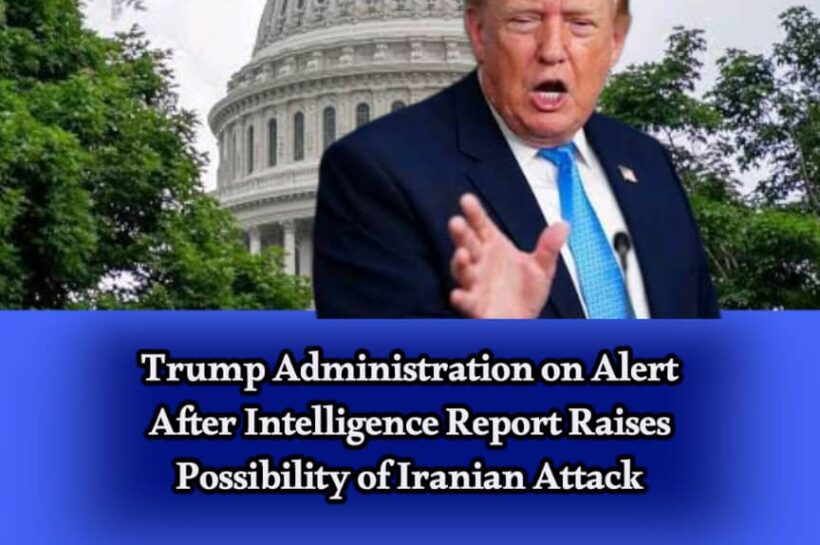




President Donald Trump is reportedly considering a major joint military operation with Israel against Iran, raising fresh concerns about a possible return to large-scale hostilities in the Middle East.
According to an Axios report published on Thursday, November 19, citing two sources familiar with the discussions, Trump has not ruled out launching another major attack alongside Israel despite recently describing the possibility of a new round of strikes as “quite unlikely.”
Potential targets reportedly include Iranian nuclear facilities, particularly the suspected underground installation at Pickaxe Mountain, as well as bridges, power plants and members of Iran’s military and civilian leadership.
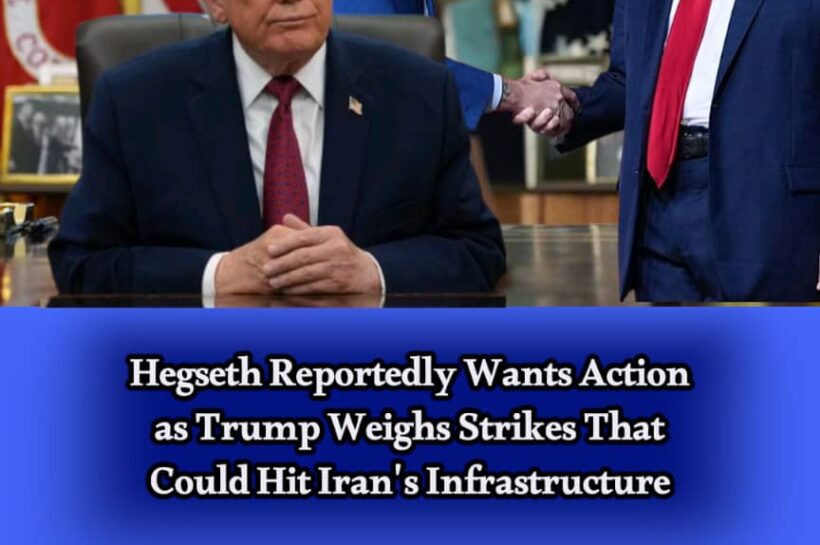
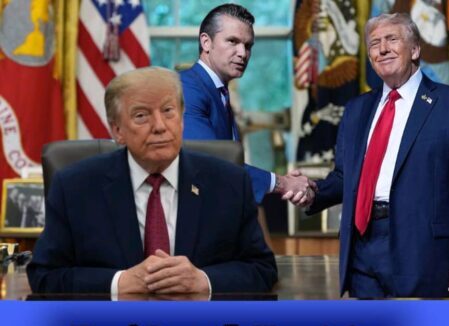
The discussions reportedly reveal divisions within Trump’s national security team. Defense Secretary Pete Hegseth is among those said to favour more decisive military action, while other senior officials remain concerned about the consequences of escalating the conflict.
Pickaxe Mountain Among Potential Nuclear Targets
One of the most significant locations reportedly under consideration is Pickaxe Mountain, an underground Iranian facility near the Natanz nuclear complex.
The site, also known as Kuh-e Kolang Gaz La, has attracted international attention because of its depth and potential role in Iran’s nuclear programme.
The facility is believed to be heavily protected and constructed deep underground, making it a challenging target for conventional military operations. Its precise contents remain uncertain, and the International Atomic Energy Agency has not inspected the site.
Israel and the United States have maintained concerns about Iran’s nuclear ambitions, while Tehran insists its nuclear programme is peaceful.
A strike against Pickaxe Mountain would therefore carry significant military and diplomatic implications, particularly if it were part of a broader operation targeting several Iranian facilities.
Bridges, Power Plants and Iranian Leaders Also Mentioned
The reported strike scenarios appear to extend beyond nuclear installations.
According to Axios, possible targets include bridges, power plants and Iranian military and civilian leaders.
Attacks on infrastructure would represent a major escalation because they could affect electricity supplies, transportation networks and essential services used by ordinary Iranians.
The inclusion of military and civilian leaders also suggests that the reported discussions are not limited to weakening Iran’s nuclear infrastructure.
However, these remain potential targets discussed in military scenarios. There is no confirmation that Trump has approved a final target list or authorised a new operation.
Hegseth Reportedly Supports Stronger Military Action
Defense Secretary Pete Hegseth is reportedly among the senior administration figures pushing for a more forceful response against Iran.
The reported divisions within Trump’s national security team reflect a disagreement over whether renewed military operations would achieve American objectives or expose the United States and its regional partners to further retaliation.
Some officials reportedly favour maintaining economic pressure and avoiding another major military campaign, while others believe military action may be necessary to address concerns about Iran’s nuclear and weapons programmes.
The disagreement places Trump in the position of weighing competing recommendations from officials responsible for America’s military and national security strategy.
Netanyahu Wants Renewed Pressure on Tehran
Israeli Prime Minister Benjamin Netanyahu has reportedly been pressing Trump to consider renewed military action against Iran.
Reuters separately reported that Mossad chief Roman Gofman travelled to the United States last week and urged American officials to support renewed joint strikes. He reportedly presented Israeli intelligence concerning Iran’s nuclear programme and other security concerns.
The discussions form part of Israel’s effort to persuade Washington that the Iranian threat requires further action.
However, the Israeli position is not the only consideration influencing the White House. Gulf countries have reportedly urged Trump to avoid another major attack, fearing that Iran could retaliate against oil and gas infrastructure across the region.
Washington Is Assessing Iran’s Possible Retaliation
The potential consequences of renewed strikes appear to be a major concern for American officials.
Axios reports that the White House has asked the Pentagon and intelligence agencies to assess how Iran could respond to different military scenarios.
One concern is whether Iranian retaliation could target energy infrastructure in Gulf countries, potentially disrupting regional oil and gas supplies.
The Strait of Hormuz is particularly important because of its role in international energy transportation. Any serious escalation around the waterway could affect shipping, energy markets and regional security.
American officials are therefore reportedly examining not only the possible military advantages of renewed strikes but also the risks of a wider confrontation.
Trump Still Has Not Made a Final Decision
Despite the discussions, there is no confirmation that Trump has authorised another major military operation.
The president recently described a new round of large-scale strikes as “quite unlikely,” but the latest Axios report indicates that the option remains under consideration.
The administration is also facing diplomatic efforts involving Qatar and Pakistan, which are attempting to revive indirect negotiations between Washington and Tehran.
A US official cited in the reporting maintained that economic pressure was severely damaging Iran and that major combat operations were not necessary at present, while emphasising that Trump retained all available options.
A New Middle East Escalation Remains Possible
The latest developments show that the possibility of renewed American-Israeli military action has not disappeared.
Trump must weigh Israel’s security concerns, the advice of his defence officials, the potential consequences for American forces and the warnings coming from Gulf governments.
For Iran, the prospect of another joint attack raises questions about the security of its nuclear facilities, military leadership and critical infrastructure.
For the wider region, the biggest concern is whether another round of strikes could trigger retaliation that spreads beyond Iran and Israel.
At this stage, the reported discussions indicate that military options are being examined, not that a final decision to launch an attack has been made.
Follow OGM News for more updates on Donald Trump, Iran, Israel, Pete Hegseth and the latest developments in the Middle East.
dHElHiewqJFCkBdBLBz