



























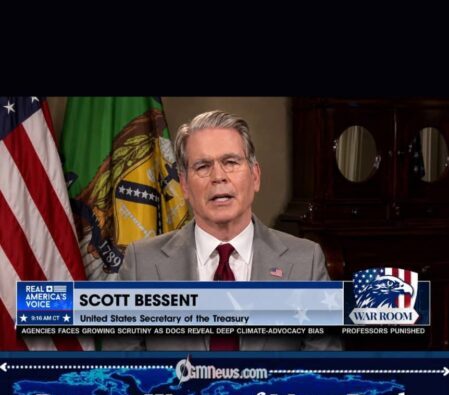
U.S. Treasury Secretary Scott Bessent has apparently decided that Iran’s financial network needs fewer surprises and more warning labels. In remarks on the administration’s pressure campaign against Tehran, Bessent warned that another bank would be sanctioned, following action against Banque Misr’s UAE branches over transactions allegedly linked to Iranian networks. Treasury said those branches processed about $1.8 billion involving 103 companies potentially connected to Iran’s shadow-banking system.
The Sanctions Calendar Appears to Be Getting Busy
Bessent’s message was unusually direct: financial institutions believed to be helping Iran should expect Washington to come knocking. And, rather remarkably, the warning did not remain a theoretical threat for long. On September 4, the Treasury Department announced sanctions against Türkiye-based Golden Global Bank and two subsidiaries, accusing them of facilitating transactions involving Iran’s Islamic Revolutionary Guard Corps-Qods Force and providing the regime with international banking access.
The development gives a new meaning to the phrase “another bank next week.” Financial institutions watching the situation may now be checking their compliance departments with the enthusiasm normally reserved for checking whether an electricity bill has arrived. Treasury’s broader “Operation Economic Outcast” is designed to cut Iranian financial lifelines and pressure institutions that help Tehran move money through international channels.
Bessent Says the Message Is Simple: The Money Trail Matters
The pressure campaign follows the Treasury’s August action against Banque Misr’s UAE operations. Washington moved to restrict the branches’ access to U.S. correspondent banking services after alleging that they processed roughly $1.8 billion for companies potentially involved in Iranian shadow banking. Egyptian authorities and Banque Misr have said the matter is being reviewed, while the UAE central bank launched an examination of the bank’s operations.
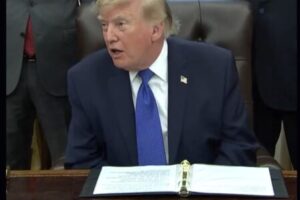
For President Donald J. Trump’s administration, the strategy represents another front in its escalating pressure on Tehran, with financial institutions increasingly becoming part of the battlefield without anyone needing to fire a missile at them. Bessent’s warning that the Treasury knows who the “bad actors” are has therefore become more than political theatre; the latest Turkish sanctions suggest that banks suspected of maintaining Iran’s financial channels may have very little time to wonder whether Washington was talking about them.
The message from Bessent is now difficult to misunderstand: if a bank is accused of helping Iran bypass sanctions, the consequences may arrive with surprisingly good punctuality. Whether the strategy will force Tehran back toward negotiations or simply push financial activity into even more complicated channels remains to be seen. For now, banks connected to Iran may want to keep their compliance officers close, their transaction records closer, and their phones fully charged. OGM News will continue watching the sanctions trail for the next name on Washington’s growing financial list.
[…] […]