


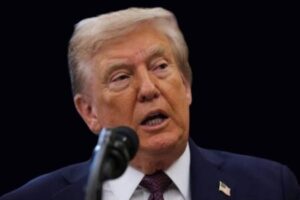


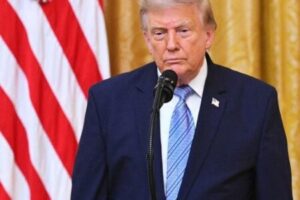
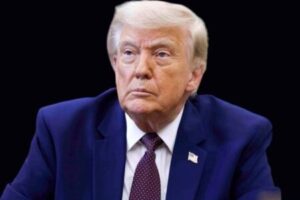


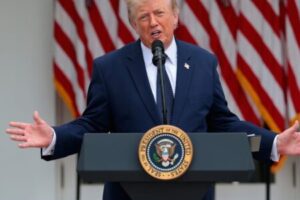




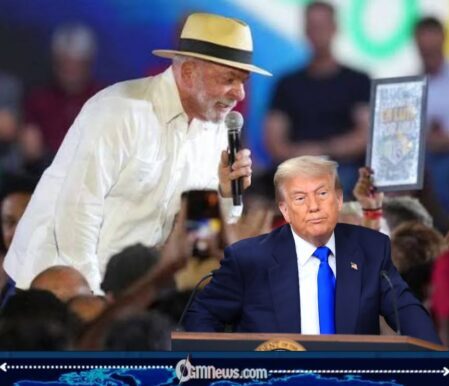
The Visa Row between Washington and Brasília has escalated dramatically after President Donald J. Trump’s administration revoked the U.S. visa of Brazil’s ambassador, turning an already tense diplomatic relationship into an international headline. The decision follows Brazil’s refusal to approve the Trump administration’s nominee for U.S. ambassador and its denial of visas to two American officials, with both governments accusing each other of crossing diplomatic lines. For spectators, it resembles a chess match where every move comes with a passport stamp—or the lack of one.
Trump Administration Turns Up Pressure on Lula With Ambassador Visa Revocation
The Trump administration described the visa revocation as a reciprocal response rather than an expulsion, arguing that diplomatic relations function best when both nations observe equal treatment. U.S. officials indicated that the measure could be reversed if Brazil approves Washington’s ambassadorial nominee, presenting the decision as leverage intended to restore what it views as normal diplomatic practice.
Brazil, led by President Luiz Inácio Lula da Silva, strongly criticized the move, insisting that its handling of diplomatic appointments and visas follows established procedures. Brazilian officials have accused Washington of attempting to influence domestic political affairs ahead of Brazil’s presidential election, while rejecting claims that their actions were politically motivated. In the grand theatre of international diplomacy, both sides insist they are simply following the script—while arguing over who wrote it.
Brazil and Trump Administration Lock Horns Over High-Stakes Visa Battle
The dispute reflects broader strains that have developed between the two governments in recent months. Beyond ambassadorial appointments, disagreements have emerged over election-related issues, trade policies and diplomatic access, with both capitals increasingly exchanging public criticism rather than quiet negotiations behind closed doors. Analysts note that reciprocal visa actions are uncommon among countries with otherwise longstanding diplomatic ties, making this episode particularly significant.
Despite the escalating rhetoric, officials from both countries have signaled that they still hope to restore a productive working relationship. Diplomatic observers caution that prolonged disputes could affect cooperation on regional security, trade and environmental issues if tensions continue. Until then, embassies may remain busy proving that diplomacy sometimes involves as much paperwork as diplomacy itself.
OGM News will continue following the Visa Row as both governments weigh their next moves. Whether this dispute ends with restored diplomatic handshakes or additional retaliatory measures, readers can expect verified updates as this evolving international story unfolds.
https://shorturl.fm/Sll2o