




















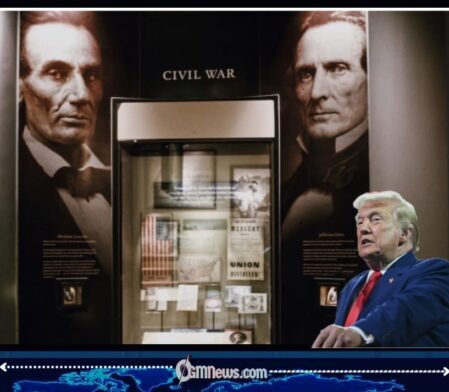
President Donald Trump has ordered federal officials to install temporary warning signs outside the Smithsonian’s National Museum of American History, telling visitors that some museum exhibits contain what his administration describes as “inaccurate information.” The move, based on a White House report criticizing the museum’s presentation of American history, has opened a fresh battle over who gets to hold the marker when writing the nation’s story.
In a development that has historians, politicians, and social media commentators debating the future of museums, the administration is directing the National Park Service to place signs on public walkways near the museum, informing visitors about the report’s findings and pointing them toward what it calls more accurate historical resources. The museum itself remains an independent institution, creating a curious situation where the sidewalk outside has become the newest battlefield in America’s culture wars.
The Great Museum Warning Label Arrives
According to the executive order, the signs are expected to notify visitors that museum exhibits should be reviewed and renovated in line with the White House report’s conclusions. The report accused the museum of presenting history through what the administration considers an overly political lens, while supporters of the order say it is an effort to restore a more patriotic interpretation of America’s past.
In a satirical twist worthy of a history textbook chapter titled “The Age of Warning Signs,” visitors may soon experience a new tradition: reading a warning about history before entering a building dedicated to preserving history. Museum critics joked that the next step could be installing signs outside the signs explaining whether the first signs are historically accurate.
Smithsonian History Gets Caught in a Political Tug-of-War
The controversy highlights a long-running American debate over how museums should tell complicated national stories — whether they should focus mainly on achievements and unity or include difficult chapters involving conflict, injustice, and social change. Museum officials have defended their work, arguing that presenting a complete historical picture requires examining both accomplishments and challenges.
The administration’s move has transformed a museum visit into something resembling a political escape room, where guests must decide whether the first exhibit is inside the building or outside on the pavement. Supporters call it a correction campaign; critics call it government interference in historical storytelling. Either way, the entrance has become the hottest exhibit nobody planned to create.
Smithsonian: The Sidewalk Becomes America’s New History Classroom
Because the Smithsonian operates independently, the order focuses on areas controlled by the National Park Service rather than directly ordering changes inside museum galleries. The strategy effectively turns public walkways around the institution into a platform for presenting the administration’s views about historical accuracy.
Political observers say the unusual approach could set a new precedent, where future administrations may attempt to influence cultural debates through public spaces surrounding major institutions. For now, the biggest question facing visitors is simple: Will they spend more time reading the warning outside or the exhibits inside?
The Smithsonian sign controversy has become another chapter in America’s ongoing argument over memory, identity, and historical interpretation. As President Donald Trump’s administration pushes for changes based on its concerns about museum narratives, supporters and critics are watching closely to see whether the warning signs become a temporary political statement or the beginning of a larger fight over how history is displayed. OGM News will continue monitoring the story as the debate develops.

mjpKyJqtopJmUkjsHEeNp