
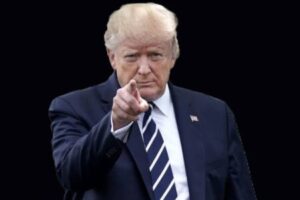
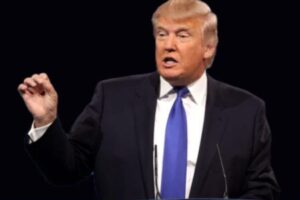
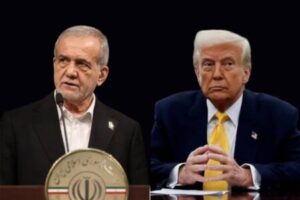



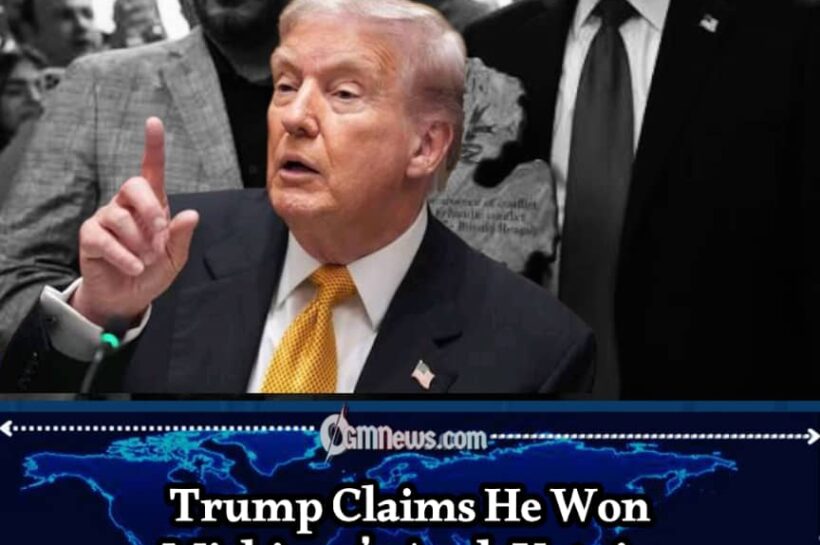




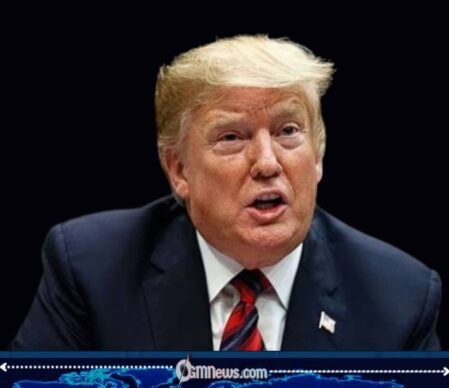
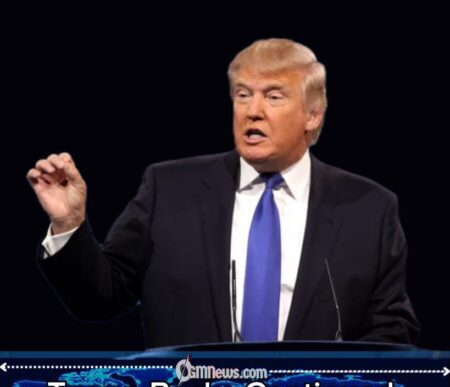
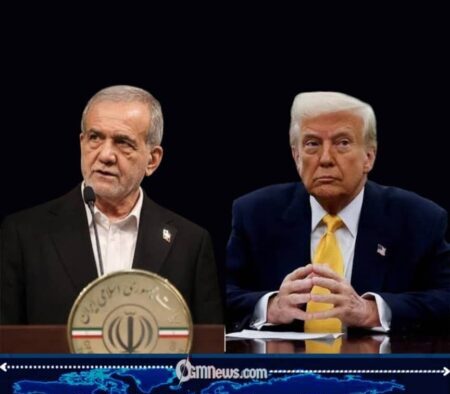
In a dramatic policy twist that had global shipping executives checking whether they had missed a plot twist, U.S. President Donald J. Trump announced that he had abandoned his proposed 20% cargo fee for vessels using the Strait of Hormuz after receiving calls from leaders across the Middle East. According to Trump, kings, emirs and representatives of several countries convinced him that investment worth “billions and billions of dollars” in the United States made better business sense than collecting transit fees. If diplomacy had a ringtone, it apparently played loudly enough to cancel a global shipping invoice.
When Phone Calls Beat Port Charges
Only a day earlier, the proposed fee had stirred intense debate across international shipping and energy markets, with analysts warning that any additional cost on one of the world’s busiest maritime routes could ripple through global trade. The proposal also attracted criticism because the Strait of Hormuz remains one of the most strategically important waterways for oil exports and commercial shipping.
Then came the diplomatic chorus. Trump explained that multiple foreign leaders preferred investment partnerships over shipping fees, prompting him to reverse course. In classic political fashion, yesterday’s toll booth quickly became today’s investment office. For traders, it was another reminder that in international politics, a policy can sometimes travel faster in reverse than a cargo ship moving forward.
Investment Wins the Day—For Now
Trump also declared that no country should be charging fees for passage through international straits, arguing that freedom of navigation should remain the guiding principle. The statement marked a notable shift from his earlier proposal and signaled that trade and investment agreements would now replace the controversial cargo fee.
While the reversal may calm immediate concerns among shipping companies and Gulf partners, broader geopolitical tensions surrounding the Strait of Hormuz remain unresolved. Markets, diplomats and maritime operators will continue watching every announcement closely because, in today’s geopolitical theatre, today’s policy rehearsal can quickly become tomorrow’s opening act. OGM News understands that this developing story could still produce fresh twists as regional negotiations continue.
The sudden reversal from Donald Trump demonstrates how diplomacy, investment promises and strategic interests can reshape policy almost overnight. Whether this marks a lasting shift or simply another chapter in an evolving geopolitical drama remains to be seen. OGM News will continue monitoring developments surrounding the Strait of Hormuz, international shipping and future policy decisions as the story unfolds.
[…] […]