

















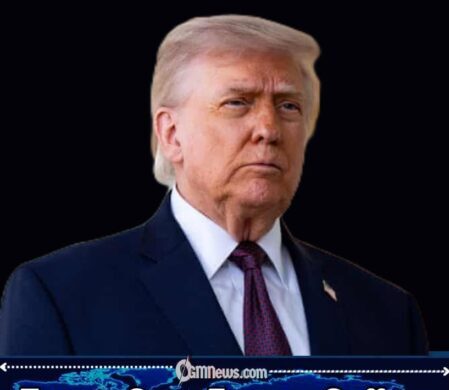
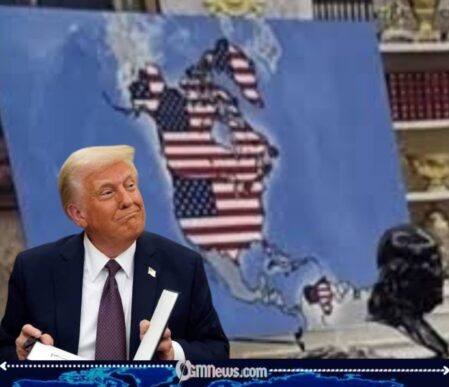
Trump placed the Russia-Ukraine war back at the center of global attention after declaring that his overriding goal is to stop the bloodshed in Europe, insisting that saving lives—not politics or weapons sales—is his primary motivation. The current U.S. president argued that although the United States supplies military equipment to European allies, his focus is on preventing further loss of life, claiming that tens of thousands of people have died monthly during some stages of the conflict.
His remarks immediately reignited debate over whether diplomacy is finally gaining momentum or whether optimism is once again running ahead of realities on the battlefield. Even in international politics, it appears everyone agrees that peace is priceless—until someone has to negotiate the invoice.
Peace In The Midst Of Casualty And Pain
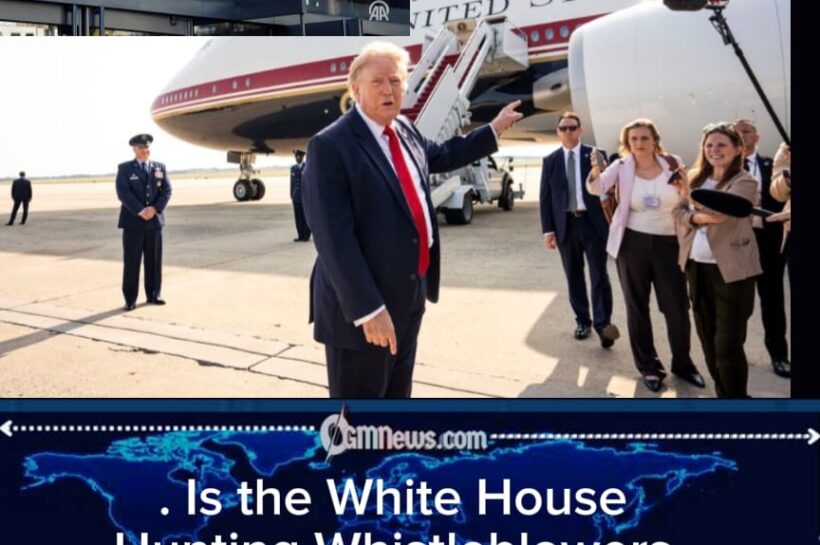
Trump told reporters that he wants to end the war because, in his words, he “just doesn’t want to kill people,” emphasizing that Europe bears the greatest consequences of the conflict despite continued American support. He argued that the war affects European nations far more directly because of geography, while stressing that the United States continues to assist its allies across the Atlantic. His comments also highlighted the scale of casualties, describing the ongoing loss of human life as unacceptable and insisting that negotiations remain the preferred path forward.
The president’s latest remarks come as diplomatic contacts between Washington, Moscow and Kyiv have intensified ahead of major international meetings. Trump has recently spoken separately with Russian President Vladimir Putin and Ukrainian President Volodymyr Zelenskyy, maintaining that both leaders have expressed interest in bringing the conflict to an end. However, despite renewed diplomatic engagement, fighting has continued, with Russia launching fresh missile and drone attacks on Ukrainian cities while Ukraine has sustained long-range strikes against Russian military and energy targets.
Reality Generated From Trump’s Optimism
While Trump’s optimism has generated fresh headlines, analysts caution that a lasting Peace agreement remains difficult because both Russia and Ukraine continue to hold sharply different positions on territory, security guarantees and future political arrangements. European governments have also maintained that any settlement must respect Ukraine’s sovereignty, while NATO members continue discussions over military assistance and long-term regional security. Recent summit discussions have therefore balanced diplomatic outreach with continued defence commitments.
Trump’s assertion that Europe is more directly affected by the war reflects the continent’s exposure to refugee flows, economic disruption, energy security concerns and broader regional instability. Nevertheless, the conflict also carries significant implications for the United States through its global alliances, defence commitments and strategic competition with Russia. As negotiations continue alongside ongoing military operations, officials from multiple governments have warned that meaningful progress will ultimately depend less on optimistic rhetoric and more on concrete agreements accepted by both sides.
For now, Trump has once again placed himself at the centre of international peace diplomacy, presenting the end of the war as both a humanitarian objective and a strategic necessity. Whether those ambitions translate into a durable ceasefire remains uncertain, but the coming rounds of diplomatic talks are likely to determine whether hopeful words evolve into measurable progress. OGM News will continue monitoring developments as negotiations and military events unfold.

https://shorturl.fm/MPemx