




























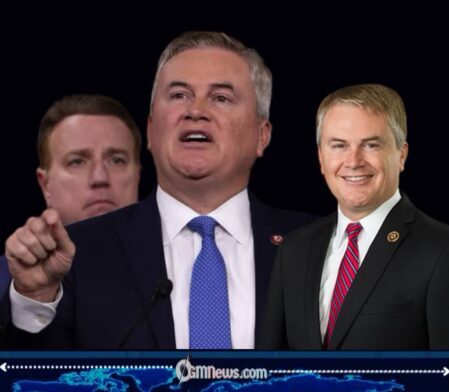
Voter ID has become the center of a growing political storm after Representative James Comer openly criticized Republican senators reluctant to support the SAVE Act, a bill that would require proof of U.S. citizenship when registering to vote in federal elections. His blunt remarks have transformed what was already a contentious legislative debate into a broader conversation about political courage, party unity and the willingness of elected officials to stand by their campaign promises. With the legislation facing significant resistance in the Senate, the clash has exposed fresh divisions within the Republican Party while placing renewed attention on one of the country’s most polarizing election issues.
Comer Intensifies Pressure Over Senate Resistance
Representative James Comer sparked controversy during a televised interview when he challenged Republican senators who have reportedly hesitated to support the SAVE Act. Dismissing concerns that lawmakers could face political consequences for backing the proposal, Comer argued that fear should never determine how elected officials vote. He went further by suggesting that senators unwilling to support the measure despite believing in it lacked the strength expected of members of the United States Senate. Comer also rejected reports that Senate Republican leadership does not have enough votes to advance the legislation, insisting that he does not believe those claims.
The SAVE Act, which has already passed the House of Representatives, would require applicants registering to vote in federal elections to provide documentary proof of U.S. citizenship. Supporters argue the proposal would strengthen election integrity and reinforce public confidence in the electoral process by preventing unlawful registration. Critics, however, maintain that non-citizen voting is already prohibited under federal law and that documented cases remain uncommon. They also argue the additional documentation requirements could make voter registration more difficult for some eligible Americans who lack immediate access to qualifying documents.
Broader Debate Highlights Election Policy and Party Divisions
The Voter ID debate now extends beyond the legislation itself and reflects broader disagreements over strategy within the Republican Party. Recent Senate procedural votes showed that several Republican senators joined Democrats in opposing efforts to move the bill forward, preventing it from clearing the chamber’s procedural hurdles. The outcome frustrated House conservatives, with some lawmakers responding by delaying consideration of unrelated legislation in an effort to pressure Senate leadership into revisiting the proposal.
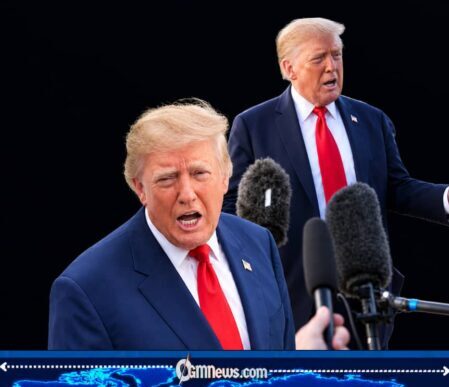
The controversy also reflects a wider national debate that has shaped American politics for several election cycles. President Donald J. Trump has consistently promoted voter identification and proof-of-citizenship requirements as central components of his election agenda, arguing they are necessary to safeguard public confidence in elections. Meanwhile, voting-rights advocates contend that additional documentation requirements could disproportionately affect certain eligible voters, including married women whose legal names differ from their birth certificates and citizens who do not readily possess passports or certified birth records. Legal experts also note that, should the legislation eventually become law, it would almost certainly face constitutional challenges and extensive judicial review before full implementation.
Political observers often remark that Washington’s greatest battles are sometimes fought within political parties rather than between them. The latest dispute appears to reinforce that view, as Republican lawmakers find themselves divided over both policy and political strategy. While the future of the SAVE Act remains uncertain, the disagreement has become a defining test of party cohesion and leadership. OGM News will continue to monitor developments as Senate negotiations evolve and lawmakers determine whether compromise or continued confrontation will shape the next chapter of the Voter ID debate.


Logging in is a breeze and the site stability is amazing even during peak hours....