
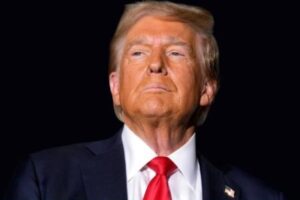




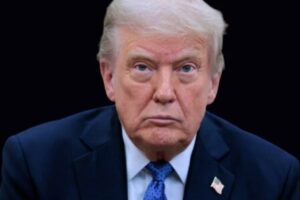



















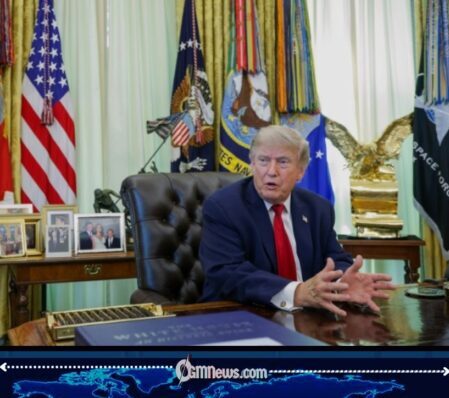
The Clean Air Act pardons issued by Donald J. Trump have triggered a wave of political and environmental debate across the United States, following the release of 11 individuals convicted for emissions-related violations. The decision, framed by the administration as an act of correction against perceived judicial overreach, has drawn both praise and sharp criticism amid rising concerns over environmental enforcement and accountability.
With millions already experiencing extreme heat conditions across parts of the country, the timing of the announcement has intensified public attention, raising questions about environmental policy priorities and legal consistency in climate-related cases.
Clean Air Act Pardons and Presidential Justification
The Clean Air Act pardons were confirmed after Donald J. Trump stated that several individuals had been “persecuted” for what he described as minor vehicle-related actions, including alleged tampering with emissions systems. According to the administration’s position, these individuals were unfairly targeted under strict interpretations of environmental law, leading to prison sentences that supporters now argue were disproportionate.
Trump emphasized that the pardons were meant to correct what he sees as excessive enforcement, asserting that the individuals were victims of a “weaponized” legal process. The decision immediately sparked debate over whether Clean Air Act enforcement had crossed into punitive territory or remained a necessary safeguard for public health.
Environmental Context and Broader Policy Debate
The Clean Air Act pardons come at a time when environmental regulation remains a highly sensitive national issue, particularly as extreme weather conditions and heatwaves continue to impact large populations. The Clean Air Act, originally designed to regulate air pollution and protect public health, has long been a cornerstone of U.S. environmental policy, especially in addressing vehicle emissions.
Environmental analysts argue that enforcement actions tied to emissions violations are essential in reducing long-term pollution exposure, while critics of enforcement practices claim that certain prosecutions may disproportionately affect individuals rather than larger industrial contributors. The pardons therefore reopen broader questions about how environmental laws are applied and who they most impact.
As debate continues, policymakers and advocacy groups are expected to closely monitor the political and legal fallout from the decision. Whether this move signals a shift in environmental enforcement philosophy or remains an isolated act of clemency is still unclear, but it has undeniably added new tension to an already heated national conversation.
In the coming days, further reactions from legal experts, environmental agencies, and political leaders are expected to shape how the Clean Air Act pardons are ultimately interpreted in both law and public opinion.
[…] […]