











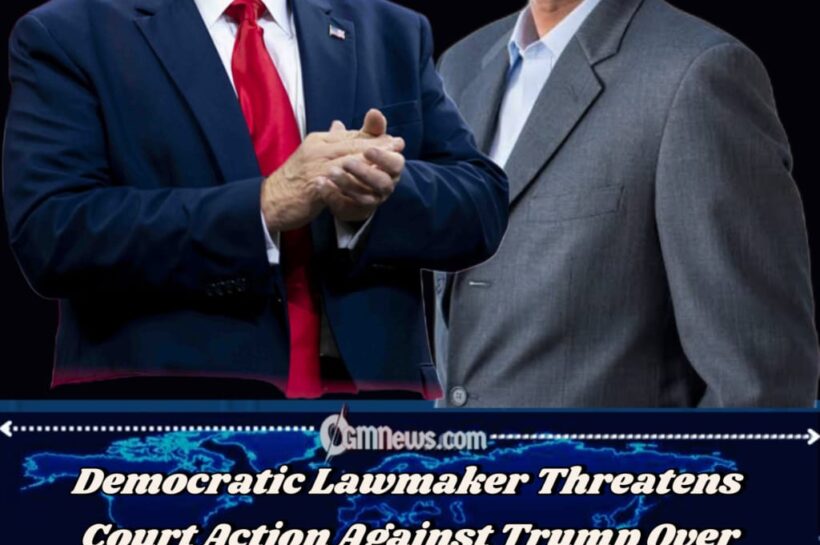


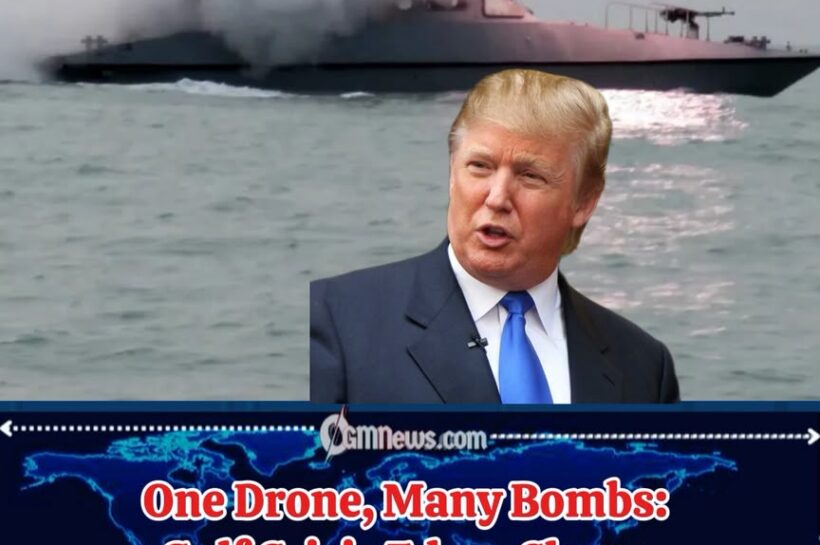

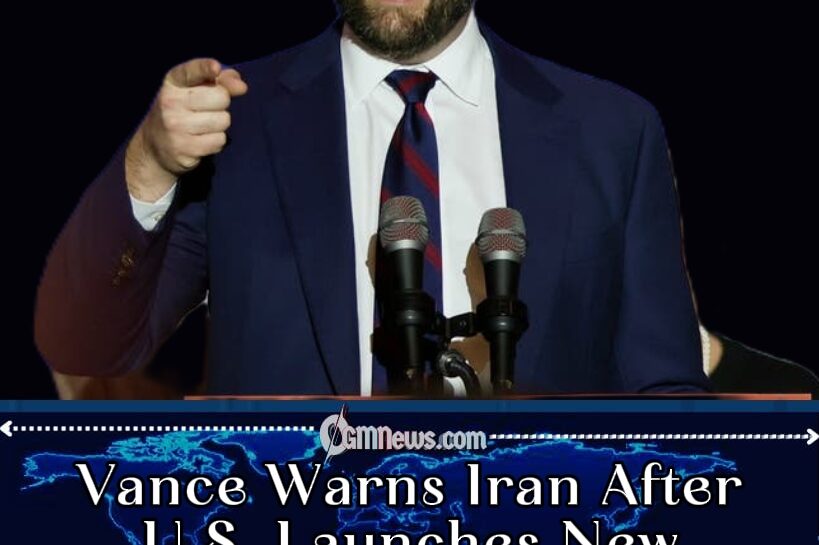








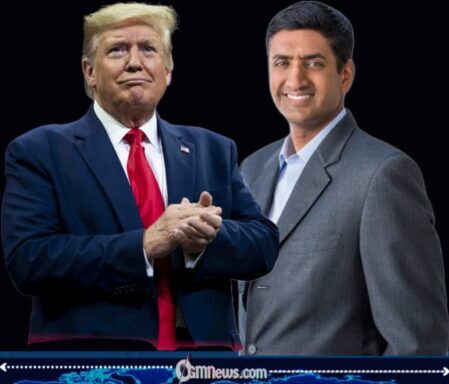
The War Powers Resolution has emerged as the centre of a fresh constitutional dispute after Democratic Congressman Ro Khanna accused President Donald J. Trump of violating federal law through recent US military strikes on Iran. Khanna described the operation as a “blatant violation” of congressional authority and warned that unless the military campaign ends, legal action could be pursued to compel compliance. The controversy has rapidly evolved into a debate not only about foreign policy but also about the constitutional limits of presidential power.
Constitutional Battle Over Military Authority Intensifies
Ro Khanna argues that the War Powers Resolution recently approved by Congress requires the President to remove United States Armed Forces from hostilities involving Iran unless Congress explicitly declares war or provides specific authorization. According to the legislation, any future military action beyond limited defensive measures would require direct congressional approval.
His remarks have intensified an already heated political confrontation. Supporters of the administration maintain that presidents possess inherent constitutional authority to respond swiftly to national security threats without waiting for lengthy congressional debate. Critics counter that repeated reliance on executive authority weakens Congress’s constitutional responsibility to determine when the nation enters armed conflict. In typical Washington fashion, the legal arguments have become nearly as explosive as the military operation itself, with lawmakers debating constitutional clauses while political rivals prepare for another courtroom showdown.
Legal Questions And Broader Political Consequences Continue To Grow
The War Powers Resolution has frequently been tested since it became law in 1973 following concerns that successive presidents had expanded military operations without sufficient congressional oversight. Although Congress intended the measure to limit unilateral military action, several administrations from both major political parties have questioned its constitutional reach or interpreted its requirements differently.
The latest disagreement therefore reflects a broader and longstanding constitutional struggle rather than an isolated political dispute. Legal scholars note that federal courts have historically been reluctant to intervene directly in disputes between Congress and the executive branch over war powers, meaning political negotiations often determine the practical outcome. Nevertheless, should lawmakers proceed with litigation, the case could further define the balance of power between Congress and the presidency. Even amid serious constitutional questions, critics have joked that Washington’s favourite export remains political drama, with legal filings replacing campaign speeches as the newest form of combat.
The War Powers Resolution is likely to remain central to congressional debate as lawmakers continue examining presidential authority over military operations involving Iran. Whether the dispute is ultimately resolved through political compromise, judicial review, or additional legislative action, OGM News will continue monitoring developments as this constitutional confrontation unfolds.



[…] […]