




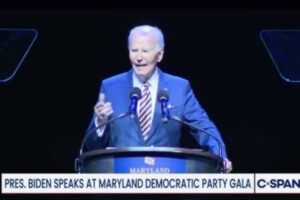







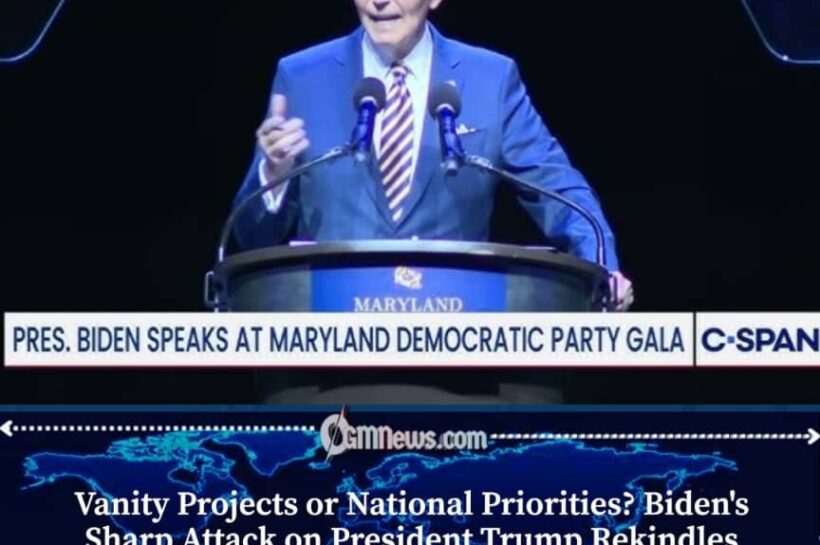











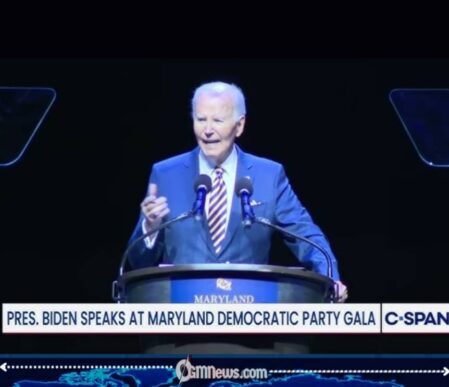
Vanity Projects returned to the center of America’s political conversation after former President Joe Biden accused President Donald J. Trump places excessive emphasis on projects associated with his personal legacy rather than governing priorities. In a strongly worded criticism, Biden referenced Trump’s name appearing on major institutions, alleged plans for symbolic monuments, and even joked about maintenance work around the White House, ending his remarks by calling the president “a loser.” The statement quickly fueled fresh political debate, with supporters and critics interpreting the comments through sharply different lenses.
Biden Criticizes Trump’s Focus on Personal Legacy
The Vanity Projects controversy stems from Biden’s characterization of what he believes is President Trump’s desire to leave a visible personal imprint on federal landmarks and institutions. His comments represent political criticism rather than established fact, and several of the specific examples remain matters of opinion or public debate rather than independently verified events. Like many exchanges between the two longtime political rivals, the remarks were designed as political messaging aimed at influencing public perception.
The latest verbal confrontation also reflects the increasingly personal nature of American political discourse. Rather than focusing exclusively on policy disagreements involving the economy, immigration, foreign affairs, or taxation, both major political figures have frequently exchanged criticisms centered on leadership style, personality, and legacy. Such rhetoric has become a defining feature of the country’s modern political landscape.
Vanity Projects: Is America’s Presidency Becoming a Personal Branding Project?
The Vanity Projects debate arrives against the backdrop of broader discussions about how presidents shape their historical legacy. Throughout American history, administrations have sought to leave lasting marks through infrastructure projects, executive initiatives, cultural programs, or symbolic changes to federal institutions. Supporters often describe these efforts as preserving presidential achievements, while opponents may characterize similar actions as exercises in self-promotion.
Political analysts note that campaign-style rhetoric has intensified as national attention increasingly shifts toward future political contests. Statements like Biden’s frequently dominate headlines because they generate emotional reactions and widespread discussion online, even when they concern symbolism more than policy. Fact-checkers generally distinguish between verifiable government actions and political opinions expressed during speeches, reminding audiences that emotionally charged language should not be mistaken for confirmed evidence.
As the political rivalry continues, Vanity Projects is likely to remain a recurring theme whenever questions arise about presidential image, leadership, and historical legacy. OGM News will continue monitoring developments, separating verified facts from political rhetoric while providing readers with updates as the national debate evolves.



[…] […]