
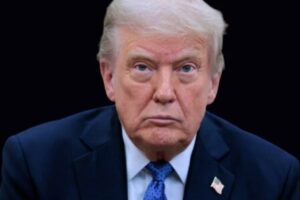





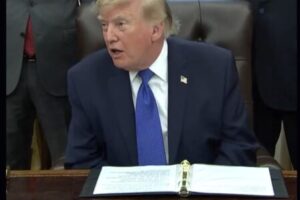





















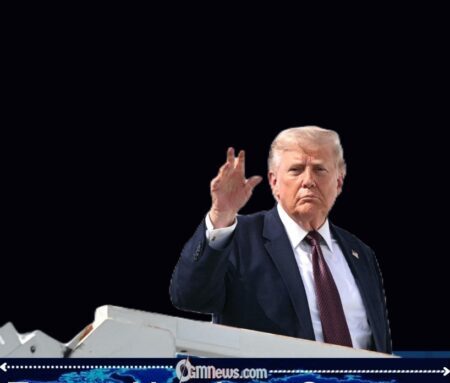
The SAVE America Act has become the latest test of President Donald Trump’s influence over Congress, as he heads to the Senate to pressure fellow Republicans into passing a voting bill that many lawmakers privately concede cannot clear the chamber’s procedural hurdles. What was once promoted as a signature election-security proposal has increasingly evolved into a public demonstration of the limits of presidential persuasion and the stubborn mathematics of the United States Senate.
Republicans Split as Trump Pushes SAVE America Act
President Trump has made the SAVE America Act one of his top legislative priorities. The proposal would require a photo ID for federal elections, proof of American citizenship for voter registration and expanded federal access to state voter-registration records. Supporters argue the legislation would increase public confidence in elections and create a uniform national standard for voting requirements.
Yet the legislation has repeatedly stalled. Republicans hold 53 seats in the Senate but need 60 votes to overcome a filibuster, and the bill or its major provisions have already failed multiple times since March. Several Republican senators have rejected calls to eliminate the filibuster or attach the legislation to unrelated must-pass bills. Senate leaders have openly described the challenge as a “math issue,” an unusually candid admission that political desire alone cannot manufacture votes.
Can Trump Force a Voting Revolution With Only 53 Senate Seats and No Path to Victory?
The SAVE America Act has also exposed widening cracks within the Republican Party. Some lawmakers believe the party should focus on issues with greater chances of success before the November midterm elections. Others remain determined to keep the bill alive, arguing that election integrity remains a core concern for conservative voters.
The broader debate extends far beyond Senate procedure. Critics, including voting-rights advocates and many Democrats, argue that documented cases of non-citizen voting in federal elections remain exceedingly rare and that requiring citizenship documents could inadvertently prevent eligible Americans from voting, particularly citizens who do not possess passports, birth certificates or other qualifying records. Recent legal challenges have also complicated federal efforts to expand citizenship verification systems, with a federal judge recently blocking the administration’s use of an updated immigration database for voter checks over privacy and accuracy concerns.
The SAVE America Act may ultimately be remembered less for its legislative success than for what it revealed about Washington’s current political climate. A president willing to personally lobby senators, a governing party divided over strategy and a deeply polarised debate over election security have combined to create one of the year’s most consequential political dramas. Whether the bill advances or remains trapped by Senate arithmetic, OGM News will continue monitoring developments surrounding the SAVE America Act and the growing debate over the future of American voting laws.
[…] […]