

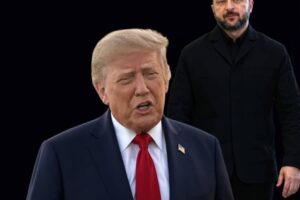




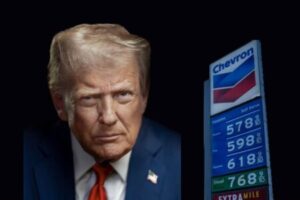
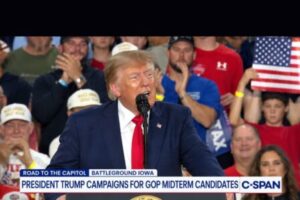












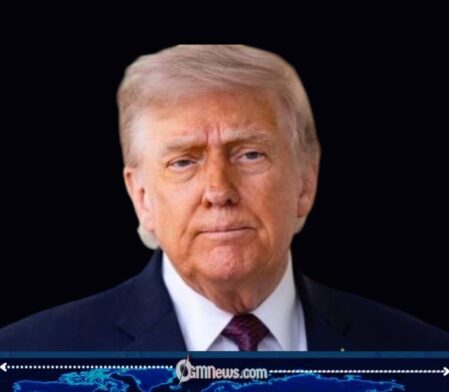
Sanctions and Iranian Oil have suddenly returned to the center of global attention after reports that the United States has temporarily suspended enforcement of certain sanctions affecting Iranian oil exports until August 21. The decision, presented as part of ongoing diplomatic efforts with Tehran, has triggered fresh debate over whether Washington is pursuing a calculated peace strategy or stepping back from years of economic pressure. As energy markets, governments, and investors digest the announcement, the countdown to August has become a geopolitical clock watched around the world.
Washington Extends Diplomatic Window With Iran Through August
The reported sanctions relief is tied to broader negotiations between the United States and Iran aimed at reducing tensions and advancing discussions on security, trade, and regional stability. According to details emerging from the talks, the temporary authorization allows transactions related to Iranian crude oil and petroleum products to proceed during a limited period while negotiations continue. The arrangement reportedly remains in force until August 21, creating a defined diplomatic window for both sides to pursue a more comprehensive understanding.
The sanctions decision represents a significant development because Iranian oil exports have long been a central target of American pressure campaigns. Supporters of the move argue that diplomacy often requires incentives, particularly when negotiations involve sensitive issues such as nuclear oversight, maritime security, and regional stability. Critics, however, question whether temporary relief could weaken leverage without guaranteeing meaningful concessions. The debate reflects the broader challenge facing policymakers: balancing strategic pressure with diplomatic flexibility.
Sanctions Pause Signals New Phase in US-Iran Negotiations
The significance of Iranian oil extends far beyond bilateral diplomacy. Energy markets have faced repeated disruptions linked to tensions in the Middle East, particularly around the strategically vital Strait of Hormuz, through which a substantial share of the world’s oil supply passes. Reports indicate that progress in negotiations and the easing of sanctions concerns contributed to declining oil prices, as traders reassessed the risk of supply shortages and potential disruptions to shipping routes.
Additional reporting suggests the temporary sanctions relief forms part of a broader framework intended to sustain dialogue while reducing economic and geopolitical uncertainty. Analysts note that greater access for Iranian oil could increase available supply and help stabilize markets already sensitive to conflict, inflation, and transportation disruptions. At the same time, observers caution that the arrangement remains temporary. If negotiations stall or key commitments are not fulfilled, sanctions could again become a central feature of US-Iran relations. The current development therefore represents not a final destination but a transitional phase in a much larger geopolitical story.
As August 21 approaches, the future of Sanctions and Iranian Oil will depend less on market reactions and more on the success of diplomacy. For now, the world is witnessing a rare moment in which economic pressure has been partially exchanged for negotiation. Whether this becomes a pathway to a broader agreement or merely a temporary pause before renewed tensions is a question that OGM News will continue to monitor closely.
Mexican players will love how well this platform handles local payment methods. Deposits via OXXO...