



























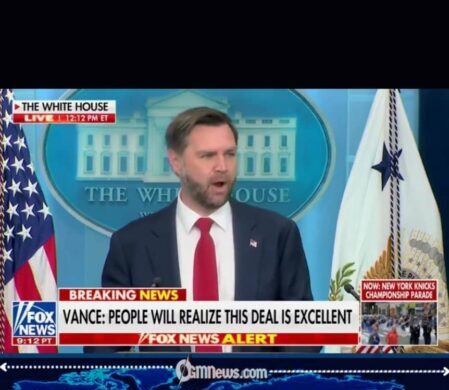
Israel and sympathy became the focus of an international political debate after U.S. Vice President JD Vance sharply defended President Donald J. Trump against criticism from some Israeli cabinet members, declaring that Trump is effectively the only head of state in the world currently showing significant sympathy toward Israel. The remark has triggered intense discussion about the future of U.S.-Israel relations, the diplomatic consequences of the Gaza conflict, and whether Israel’s standing among global partners is undergoing a historic transformation.
The controversy emerged at a particularly sensitive moment. While disagreements between Washington and Jerusalem are not new, Vance’s unusually direct comments suggested growing frustration within the Trump administration toward Israeli officials who have publicly criticized recent U.S. diplomatic initiatives. As political observers dissect every word, the larger question is whether the dispute represents a temporary disagreement or a deeper shift in one of the world’s most influential strategic partnerships.
Is Israel Losing Global Sympathy? Vance’s Remark Ignites Debate
According to reports, Vance responded forcefully to Israeli officials who had attacked President Trump over a recent U.S.-Iran diplomatic framework intended to reduce regional tensions. He argued that Israeli leaders should recognize the importance of maintaining strong relations with Washington and avoid publicly attacking the administration that continues to provide substantial political, military, and diplomatic support to Israel.
The vice president’s comments were notable not only for their bluntness but also for their emphasis on sympathy. By framing Trump as Israel’s most significant remaining supporter among world leaders, Vance highlighted concerns that Israel’s international reputation has suffered amid ongoing controversies surrounding military operations in Gaza and broader regional conflicts. His remarks also reflected the Trump administration’s view that American support should not automatically shield allies from criticism when strategic interests diverge.
Israel and the Wider Diplomatic Picture
The broader context extends beyond a single political exchange. Over the past several years, Israel has faced increasing scrutiny from governments, international organizations, and activists over the humanitarian consequences of the Gaza war. At the same time, supporters of Israel argue that the country continues to face legitimate security threats and maintains the right to defend itself against armed groups and hostile regional actors. Allegations that Israel is committing genocide remain the subject of intense international legal and political dispute rather than a universally accepted legal determination.
Recent reporting also indicates growing tensions between the Trump administration and some Israeli leaders regarding Iran policy. Vance has repeatedly defended negotiations with Iran and emphasized that American policymakers will ultimately pursue what they believe serves U.S. interests, even when Israeli leaders disagree. These developments suggest that while the U.S.-Israel alliance remains strong, both governments are increasingly willing to air disagreements publicly rather than resolve them entirely behind closed doors.
The significance of the Israel-sympathy debate may ultimately extend far beyond one controversial quote. Whether Vance’s remarks are remembered as a diplomatic warning, a political reality check, or merely a headline-grabbing moment will depend on how relations between Washington and Jerusalem evolve in the coming months. OGM News will continue monitoring developments as both allies navigate a rapidly changing Middle East landscape.


[…] […]