
















The US–Iran peace deal has emerged as one of the most unexpected diplomatic developments of the year, with both nations agreeing to initiate structured 60-day ceasefire talks aimed at de-escalating long-standing tensions. The announcement, described by observers as “sudden but strategically significant,” has triggered global debate about whether this marks a genuine turning point or a carefully staged political maneuver. The keyword US–Iran peace deal now dominates international discussions as governments and analysts scramble to interpret its implications.
Early reactions suggest cautious optimism, though many remain uncertain about the durability of the agreement. With international attention intensifying, the coming weeks are expected to test whether the commitments translate into measurable actions or remain symbolic gestures under diplomatic pressure.
Fragile Commitments and the 60-Day Ceasefire Talks Framework
The 60-day ceasefire talks were reportedly established after extended negotiations involving intermediaries from multiple regions seeking to prevent further escalation. Both sides have agreed to pause hostile engagements and enter structured dialogue sessions focused on security arrangements, sanctions discussions, and regional stability.
Sources indicate that the framework was designed to create breathing space for diplomacy while preventing immediate breakdowns in communication. However, early skepticism persists due to the historical volatility of relations between the two nations, with previous agreements often collapsing under political strain.
Despite this, the US–Iran peace deal has been framed by officials as a “first-phase stabilization effort,” with both governments signaling willingness to test diplomatic pathways over military confrontation.
Global Reactions, Political Calculations, and Hidden Pressures
International reactions to the US–Iran peace deal have ranged from cautious endorsement to outright doubt. Some global leaders have praised the initiative as a necessary step toward reducing regional instability, while others question whether the timing aligns with broader geopolitical strategies.
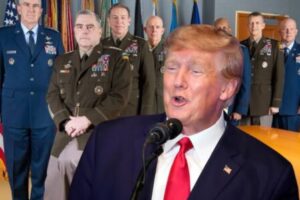
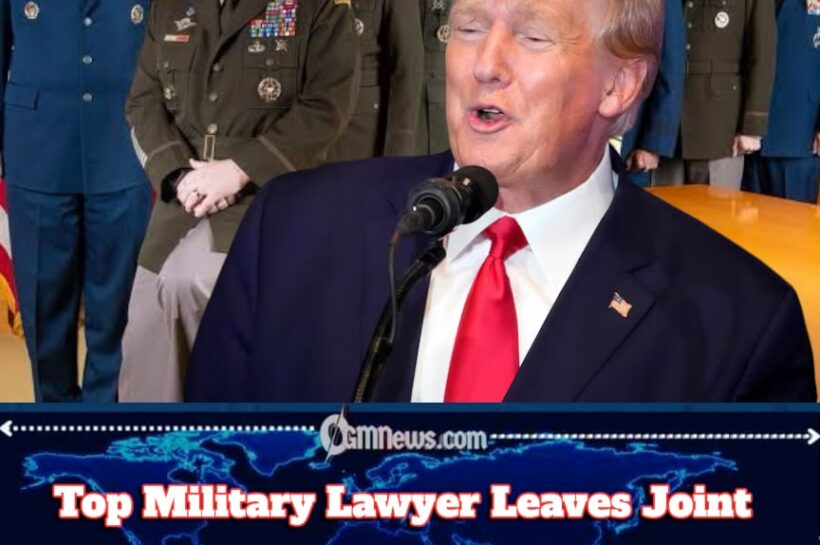
Under the current administration led by President Donald J. Trump, the diplomatic posture has been described as “transactional but firm,” with emphasis placed on rapid results within the 60-day ceasefire talks window. Analysts suggest this approach may accelerate negotiations but could also increase pressure on fragile diplomatic channels.
Background assessments indicate that previous attempts at easing tensions were hindered by mistrust, sanctions disputes, and regional proxy dynamics. Recent developments suggest renewed efforts to isolate key issues and prevent external escalation from derailing the process.
As the situation unfolds, experts warn that the next phase will determine whether the US–Iran peace deal evolves into a lasting framework or dissolves under political and strategic contradictions. Observers remain watchful as both sides prepare for further rounds of engagement that could reshape regional stability.
The US–Iran peace deal and 60-day ceasefire talks now stand at a critical juncture, where diplomacy, political will, and international pressure converge. Whether this moment becomes a historic breakthrough or another missed opportunity will depend on actions taken beyond the headlines, as the world awaits the next update from OGM News.



замена венцов кемерово