















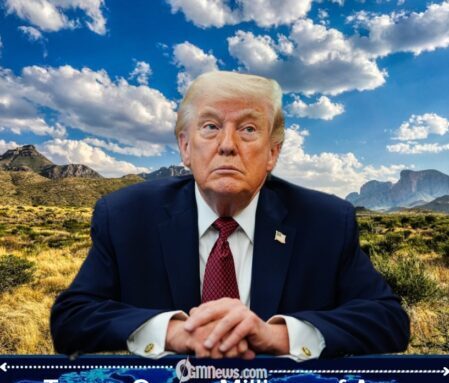
Public Lands have become the center of a growing national controversy after President Donald Trump rescinded executive orders dating back to the Nixon and Carter administrations that restricted off-road vehicle use on federal lands. Supporters hail the move as a victory for recreation and public access, but critics warn it could fundamentally reshape some of America’s most fragile landscapes. As federal agencies begin rewriting regulations, conservation groups fear the decision may unleash environmental consequences that will outlast the political debate itself.
Trump Administration Reverses Decades-Old Off-Road Vehicle Restrictions
The Trump administration argues that longstanding restrictions governing dirt bikes, all-terrain vehicles, trucks, snowmobiles and other off-road vehicles have become outdated and unnecessarily burdensome. The White House maintains that Americans should be able to access and enjoy their public lands without regulations that federal officials say are difficult to administer and no longer reflect modern realities. The executive action directs agencies to revise or eliminate rules derived from the earlier Nixon- and Carter-era orders.
Environmental organizations strongly disagree. They argue that the original restrictions were designed specifically to prevent habitat destruction, water pollution and conflicts between recreational users and wildlife. Critics contend that modern off-road vehicles are more powerful and widespread than ever before, making protections even more necessary today. Species frequently cited as potentially vulnerable include grizzly bears, desert tortoises, lynxes, sage-grouse and western snowy plovers. Conservation advocates warn that increased vehicle traffic could fragment habitats, disturb breeding areas and place additional stress on already threatened ecosystems.
Conservationists Sound Alarm as Trump Dismantles Longstanding Public Lands Protections
The controversy surrounding Public Lands extends beyond recreational access. The decision is widely viewed by environmental groups as part of a broader effort by the Trump administration to expand opportunities for resource development, recreation and infrastructure projects on federal property. Recent policy initiatives involving logging, resource extraction and regulatory rollbacks have fueled concerns among conservation advocates that environmental protections are being systematically weakened across multiple sectors.
Additional reporting indicates that the executive order does not instantly allow unrestricted driving everywhere on federal lands. Instead, agencies must undertake a regulatory process that could take months or longer before specific changes are implemented. Nevertheless, critics argue that the policy shift sends a powerful signal about future federal land management priorities. Federal agencies have already begun preparing plans that could expand motorized access across millions of acres, including significant areas in western states. Supporters counter that enhanced access can coexist with responsible stewardship and that modern monitoring tools can reduce environmental risks while preserving recreational opportunities.
As the debate over Public Lands intensifies, the ultimate impact of the administration’s decision may depend less on the executive order itself and more on the regulations that follow. Environmental groups are closely monitoring the rulemaking process and have indicated they may challenge future actions if they believe wildlife protections are being undermined. OGM News will continue tracking developments as federal agencies move from policy announcements to implementation, where the real consequences for America’s public lands, wildlife and outdoor recreation may finally become clear.

Logging in is a breeze and the site stability is amazing even during peak hours....