













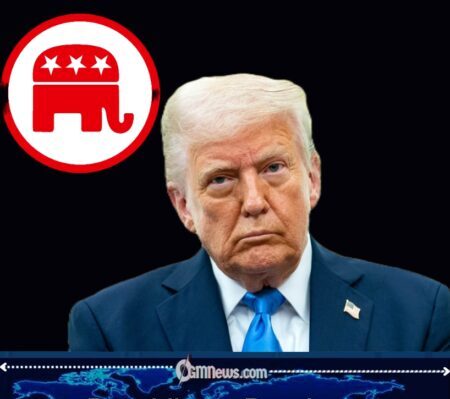
Economy has emerged as the defining fault line inside President Donald Trump’s political coalition, with frustrated Republicans increasingly warning that voter anger over rising prices could jeopardize the party’s congressional majorities. While the White House continues to promote a range of political and administrative initiatives, growing numbers of GOP insiders reportedly fear that Americans are far more concerned about grocery bills, fuel costs, and household affordability than the issues dominating internal Washington debates.
Polls Show Americans Sour on Economy as Midterm Battle Intensifies
The latest wave of Republican frustration stems from mounting concerns that the administration is not placing sufficient emphasis on addressing rising living costs ahead of the midterm elections. Multiple congressional aides have reportedly expressed alarm that voters consistently rank affordability among their top concerns while lawmakers are left defending policies and priorities that appear disconnected from everyday economic pressures. According to recent polling, a record 63 percent of Americans disapprove of President Trump’s handling of the economy, while a majority believe economic conditions are worsening.
The controversy intensified after President Trump drew criticism for remarks appearing to downplay inflation concerns at a time when consumer prices have reached 4.2 percent, the highest annual rate in three years. Rising energy costs linked to the conflict involving Iran have contributed significantly to higher fuel prices and broader inflationary pressures. While administration allies argue that geopolitical events have played a major role in the price increases, many Republicans worry that voters may ultimately hold the governing party responsible regardless of the underlying causes.
Internal GOP Frustration Grows Over Trump’s Political Priorities
The growing focus on the Economy comes as Republicans face an increasingly uncertain midterm environment. Historical trends often challenge the party occupying the White House during congressional elections, and recent polling suggests voters are becoming more skeptical of the administration’s economic management. Surveys indicate that concerns over inflation, fuel prices, and overall economic direction have contributed to declining approval ratings among independents and other key voting blocs that often decide competitive races.
Additional economic indicators paint a complex picture. While inflation remains elevated and public dissatisfaction persists, recent consumer sentiment data suggests some Americans have become slightly more optimistic as gasoline prices eased from previous peaks. Nevertheless, economists continue to warn that uncertainty surrounding energy markets and geopolitical tensions could keep economic concerns at the forefront of voter decision-making. In a development that borders on political satire, some Republican operatives now find themselves desperately trying to discuss grocery prices while headlines continue to focus on internal party disputes, controversial nominations, and high-profile White House projects.
As the midterm campaign accelerates, the Economy is likely to remain the central test of both President Trump’s agenda and Republican electoral prospects. Whether the administration successfully shifts public attention toward its accomplishments or remains trapped in a cycle of political distractions may ultimately determine whether current concerns amount to temporary turbulence or a warning sign of deeper electoral trouble. OGM News will continue monitoring developments as new polling, economic data, and campaign strategies emerge.

[…] […]