



























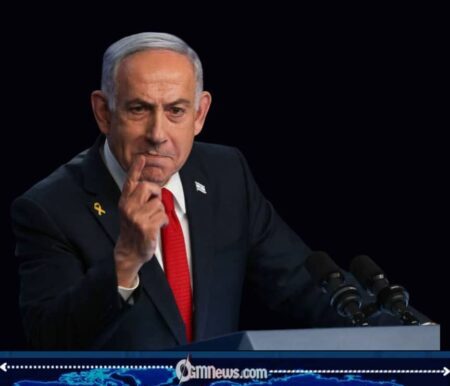
Netanyahu says Israel’s military actions against Iran were unavoidable, arguing that the country faced what he described as an existential threat from Tehran’s advancing nuclear program. His latest remarks have reignited a debate that extends far beyond the immediate conflict, raising questions about national security, deterrence, diplomacy, and the future stability of the Middle East. While supporters view the strikes as a necessary act of self-defense, critics warn that continued escalation could increase the risk of a broader regional confrontation.
Netanyahu’s Iran Doctrine: Security Strategy or Endless Escalation?
Israeli Prime Minister Benjamin Netanyahu has repeatedly maintained that Iran’s nuclear activities pose a direct threat to Israel’s existence. According to his position, military action became necessary because waiting for diplomacy alone could have allowed Iran to move closer to a weapons capability. Netanyahu has consistently argued that Israel cannot afford to take chances when faced with threats that it perceives as existential. Similar arguments have been used by successive Israeli governments over many years regarding Iran’s nuclear ambitions.
The Israeli leader’s latest defense of military action follows renewed tensions between Israel and Iran and comes amid continued concerns about regional security. Critics, however, dispute the effectiveness of repeated military operations, arguing that such actions may create new risks while failing to resolve the underlying dispute. The assertion that Netanyahu “will not stop until he starts a world war” remains a political criticism rather than a verified fact. It reflects concerns among opponents about escalation, but it is not supported as an established conclusion by available evidence.
Netanyahu Warns of Nuclear Danger While Opponents Warn of Wider War
The dispute over Iran’s nuclear program remains at the center of the controversy. Israeli officials have long argued that Tehran’s nuclear activities could eventually provide a pathway to nuclear weapons, while Iranian authorities continue to insist that their program is intended for peaceful purposes such as energy production and scientific development. This disagreement has been one of the defining security issues in the Middle East for decades.
Recent reporting indicates that international nuclear inspectors continue to monitor developments and seek greater transparency regarding Iran’s nuclear materials and facilities. At the same time, diplomatic efforts involving the United States and regional actors have sought to prevent further military escalation and revive pathways toward a more durable settlement. Despite periods of confrontation and temporary pauses in hostilities, the fundamental disagreements between Israel and Iran remain unresolved.
The larger question is whether military pressure, diplomacy, or a combination of both will ultimately shape the future of the region. For Netanyahu, the issue remains one of preventing a perceived existential threat. For critics, the concern is whether repeated confrontations risk creating an endless cycle of escalation. As new developments emerge, OGM News will continue monitoring how the Netanyahu-Iran standoff influences regional security, international diplomacy, and the prospects for lasting stability in the Middle East.



mjpKyJqtopJmUkjsHEeNp