


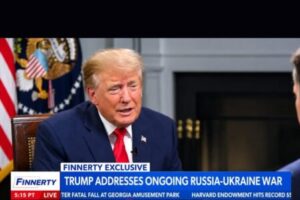



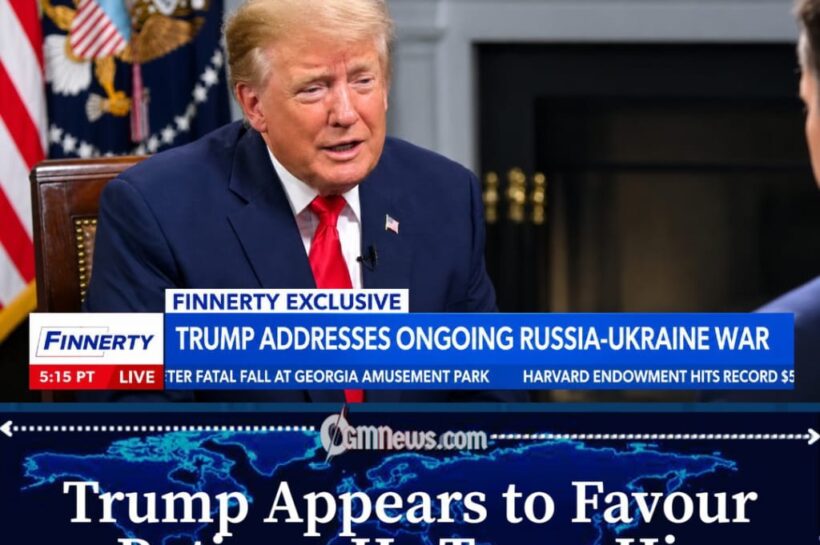






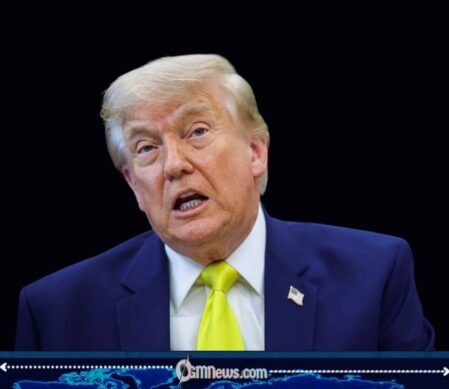
President Donald Trump has offered a striking explanation for why Iran has not yet accepted a U.S.-backed peace agreement, arguing that the country remains “strong” and “proud” and is therefore reluctant to make concessions. The comment arrives at a critical moment for the Iran Peace Deal process, with negotiations continuing amid military tensions, economic pressure, and competing claims about who holds the upper hand. While Trump remains publicly confident that an agreement will eventually be reached, the latest developments suggest the road to peace may be longer and more complicated than many expected.
Trump Says Strong and Proud Iran Is Testing Washington’s Patience
Trump’s remarks frame the current deadlock as a matter of national pride rather than diplomatic failure. According to the president, Iranian leaders are facing decisions they never expected to make and are resisting those choices because of political and strategic considerations. Nevertheless, he maintains that Tehran will eventually have “no choice” but to move toward an agreement.
The Iran Peace Deal has become one of the most closely watched diplomatic efforts of the year. Reports indicate that discussions have focused on ending hostilities, maintaining ceasefire arrangements, reopening critical shipping routes, and addressing broader security concerns. While progress has reportedly been made on several fronts, officials from both sides have acknowledged that important differences remain unresolved.
“No Choice But a Deal”: Trump Issues Warning to Iran
Beyond Trump’s comments, broader developments help explain why the Iran Peace Deal remains difficult to finalize. Recent reports suggest that sanctions relief, access to frozen assets, regional security concerns, and the future of Iran’s nuclear activities continue to complicate negotiations. Analysts note that agreements involving these issues often require extensive bargaining because each concession carries political consequences at home and abroad.
The wider regional environment also remains fragile. Economic challenges inside Iran, disruptions to trade routes, security incidents involving neighboring states, and international concerns about future stability have all increased pressure on negotiators. At the same time, both Washington and Tehran appear eager to avoid a complete collapse of diplomatic efforts, creating incentives to keep talking despite repeated setbacks.
The Iran Peace Deal now sits at a crossroads where patience, leverage, and political pride are competing for influence. Trump’s characterization of Iran as “strong” and “proud” may have been intended as an explanation for the delay, but it also highlights the central challenge facing negotiators: convincing two deeply distrustful sides that compromise can be presented as strength rather than surrender. OGM News will continue monitoring developments as negotiations enter their next phase.

mjpKyJqtopJmUkjsHEeNp