



























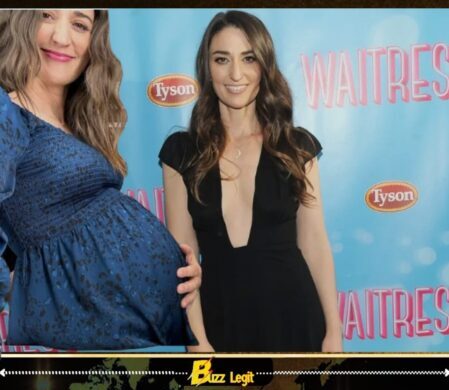
Fertility Odyssey has become the defining phrase surrounding singer-songwriter Sara Bareilles’ latest documentary, Good Grief, where the Grammy-winning artist reveals the emotional realities behind two years of attempts to start a family with her husband, Joe Tippett. What initially appears to be a documentary about music gradually unfolds into a deeply personal account of loss, resilience, and difficult choices, leaving audiences with a powerful question: how much grief can hope endure before it changes shape?
A Personal Journey Beyond the Spotlight
Sara Bareilles’ documentary premiered at the Tribeca Festival and chronicles the making of her first album in seven years. Amid studio sessions and creative collaborations, viewers witness intimate conversations about the singer’s fertility struggles and repeated IVF attempts that did not result in pregnancy. Bareilles explains that she and Tippett have been trying to have children for approximately two years, a process that has brought both emotional and psychological challenges.
In one of the documentary’s most emotional moments, Fertility Odyssey becomes more than a private struggle. Bareilles discusses the possibility of using an egg donor and admits that accepting such a path required her to grieve the loss of a long-held expectation about biological motherhood. Rather than presenting easy answers, the documentary captures a raw and unresolved reality that resonates with many families facing similar circumstances.
Good Grief and the Broader Conversation About Fertility Odyssey
The documentary arrives during a period when public discussions about fertility treatment, IVF, and alternative paths to parenthood are becoming increasingly visible. While Bareilles’ experience is uniquely personal, fertility experts have long noted that IVF success rates vary significantly depending on age and individual medical circumstances, making emotional resilience a major part of the process for many couples. Her willingness to discuss disappointment publicly contributes to a growing effort to reduce stigma around infertility.
Beyond fertility, Good Grief explores wider themes of loss, healing, friendship, and creativity. Festival descriptions and early reviews describe the project as an intimate portrait of an artist transforming personal hardship into music. The film documents not only Bareilles’ family-building journey but also broader experiences of grief, mental health challenges, and life transitions that shaped the creation of her upcoming album.
As audiences continue to respond to the documentary, Fertility Odyssey stands as both a personal testimony and a broader reminder that success, fame, and public admiration do not shield anyone from life’s uncertainties. Whether Bareilles ultimately reaches parenthood through an egg donor, another path, or a different outcome entirely, her story has already sparked conversations that extend far beyond the music industry. Buzz Legit will continue monitoring developments surrounding Good Grief and the public response to one of the singer’s most candid revelations yet.



mjpKyJqtopJmUkjsHEeNp