





























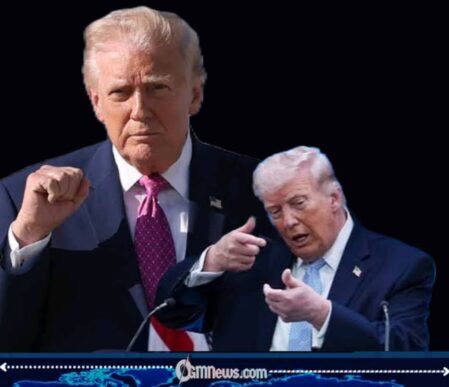
Conflict Confusion has erupted in Washington after Donald J. Trump declared that the ongoing Iran war is “not really that much of a war,” describing it instead as a military conflict and even “practice.” The remarks immediately triggered widespread reactions because they appeared to contradict both common understanding and previous descriptions of the conflict. As political allies, critics, and foreign policy analysts rushed to interpret the statement, the controversy quickly became about more than Iran itself.
Conflict Confusion intensified because this is not the first time Trump has attempted to avoid labeling the Iran confrontation a war. Earlier in the conflict, the President publicly stated that he preferred terms such as “military operation” or “military conflict,” at one point suggesting that using the word “war” could create legal and political complications involving congressional approval. Recent reports have also highlighted repeated inconsistencies in how the administration has described the scope and objectives of the military campaign.
Conflict Confusion: The Battle Over Definitions
The immediate controversy centers on Trump’s latest effort to redefine the conflict. By describing military operations involving combat, casualties, and strategic objectives as something closer to “practice,” the President introduced terminology rarely associated with active international confrontations.
Within the broader Conflict Confusion debate, critics argue that such language risks trivializing serious military actions and confusing the public about the nature of U.S. involvement. Supporters counter that Trump was merely emphasizing that American forces have maintained a position of overwhelming strength and have not faced the type of prolonged struggle traditionally associated with major wars.
War Redefined in Modern Politics
Political leaders throughout history have often chosen language carefully when discussing military actions. Terms such as “conflict,” “operation,” “intervention,” and “war” can carry different legal, diplomatic, and political consequences. The language used can influence public opinion just as much as the military events themselves.
The broader War Redefined discussion reflects a growing reality of modern politics: terminology has become a strategic tool. Analysts note that the Trump administration has frequently shifted between different descriptions of the Iran situation, at times portraying it as a decisive victory, at other times as a limited engagement, and now as something that is “not really that much of a war.” Those changing descriptions have fueled ongoing debates about transparency, consistency, and public communication.
The controversy arrives as the administration continues balancing military operations with diplomatic efforts aimed at stabilizing the region. Meanwhile, critics argue that conflicting messages make it more difficult for citizens to understand the true scope of American involvement overseas.
As the debate continues, OGM News understands that the central issue may not be the military operation itself but the language surrounding it. Whether viewed as political messaging, legal positioning, or rhetorical improvisation, Conflict Confusion has become the latest example of how words can sometimes generate as much controversy as the events they are meant to describe.
Casinoabc999? Good Site. The interface is sleek, and there is a lot of stuff to...