









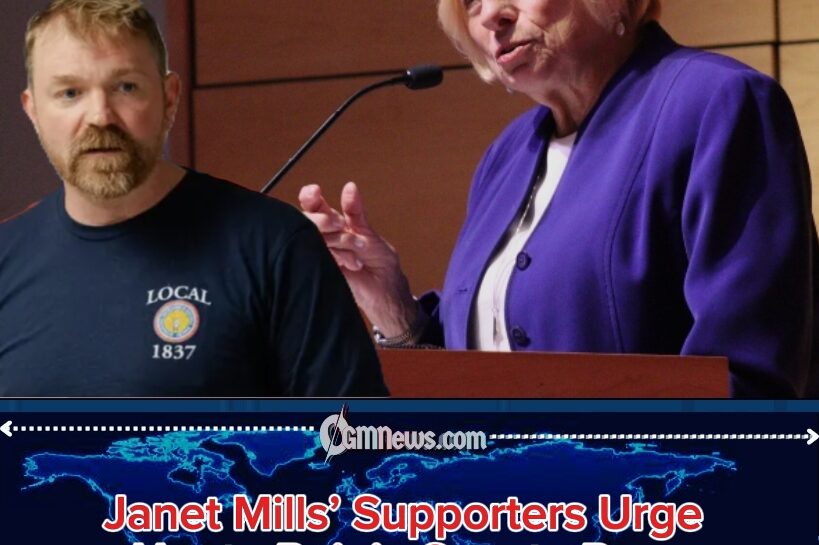













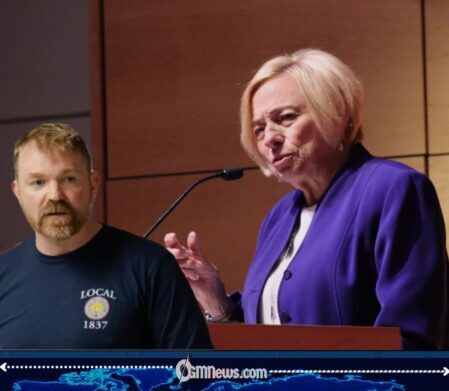
Maine politics is witnessing a suspenseful twist as Janet Mills’ supporters quietly urge the governor to revive her US Senate campaign against Graham Platner. With her name still on the June 9 primary ballot despite suspending her candidacy over a month ago, Janet Mills now finds herself at the center of a rapidly evolving controversy. Recent allegations that Platner sent sexual text messages to other women have intensified calls for her return, leaving voters and party leaders alike weighing the implications.
Suspended Campaign Dynamics
Janet Mills officially suspended her Senate campaign weeks ago, citing strategic considerations. Yet her continued presence on the primary ballot in Maine—a state using ranked-choice voting—means she still commands influence over voter preference. Prominent backers, including former state senator Lynn Bromley, have publicly encouraged her to “un-suspend” the campaign, citing Platner’s recent controversies as justification.
Platner, once seen as the presumptive nominee, now faces scrutiny over allegations raised by his wife to campaign staff early in the race. The timing of these revelations has ignited debate among voters about ethics, character, and the kind of candidate they wish to represent Maine in the Senate. With the primary just days away, political observers note that even a modest mobilization of Mills’ supporters could significantly alter the outcome.
Political Fallout and Context
The broader context of Maine’s political environment amplifies the stakes. Ranked-choice voting allows Janet Mills to impact the election outcome indirectly, even without an active campaign. Analysts point out that voter behavior in scenarios involving suspended candidates is often unpredictable, especially when scandal enters the picture.
Additionally, Platner’s second-term ambitions appear increasingly fragile amid ongoing media coverage of the text message allegations. The controversy has also sparked a conversation among Democratic Party members about candidate vetting, internal strategy, and the ethics of public office. Nationally, President Donald J. Trump’s policies and popularity continue to influence the Senate landscape indirectly, though local issues dominate Maine’s political conversation.
The June 9 primary promises to be a watershed moment, with implications not just for Mills and Platner but for Maine’s representation at the federal level. Whether Janet Mills heeds her supporters’ calls remains uncertain, but the drama surrounding this election underscores the fragile and dynamic nature of modern American politics. Voters, analysts, and political insiders will be watching closely as the story unfolds, anticipating potential surprises in the closing days of the campaign.

https://shorturl.fm/Drpwn