












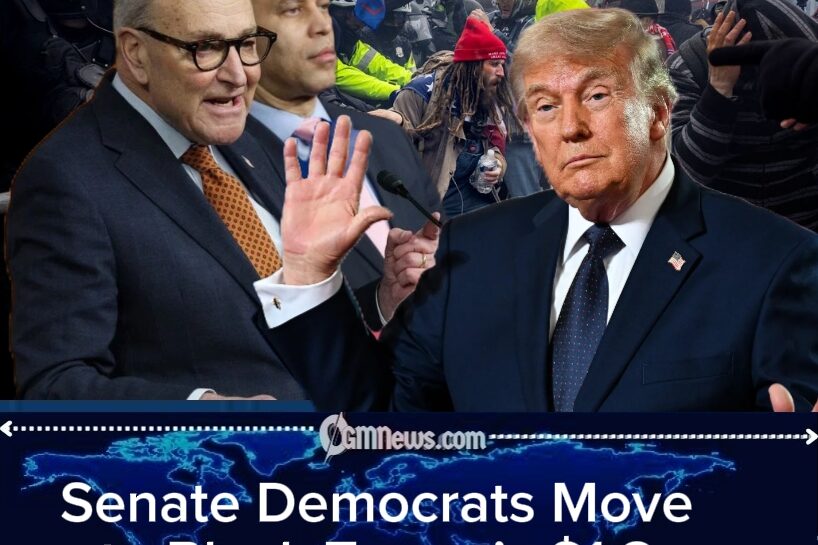




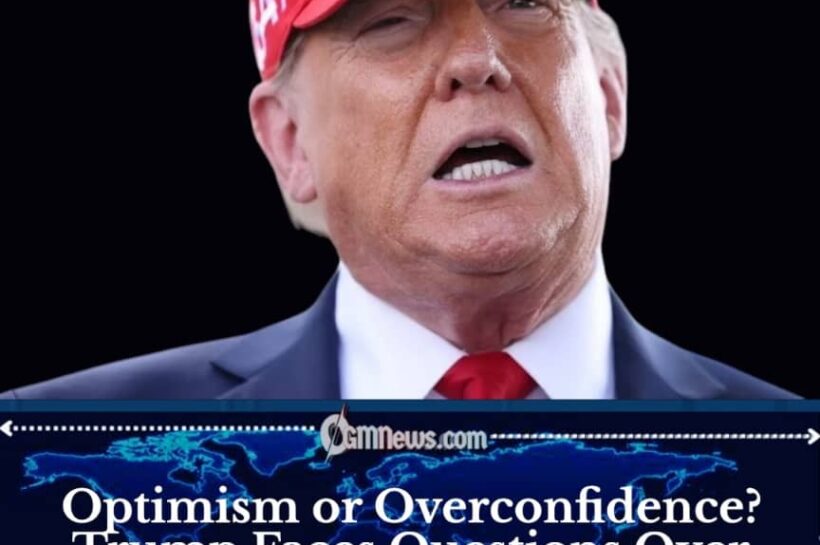


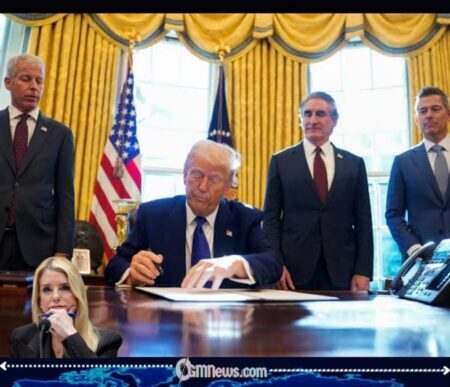
Corporate Power is once again at the center of a fierce political battle in Washington after Senate Democrats introduced a proposal that could pave the way for major corporate mergers approved during President Donald J. Trump’s administration to be reviewed and potentially dismantled after he leaves office. The proposal has triggered immediate debate among lawmakers, investors, and business leaders, with supporters calling it a necessary defense of competition while critics describe it as an unprecedented attempt to revisit decisions that have already reshaped entire industries. As details continue to emerge, questions are growing about how far Congress is willing to go in challenging some of the largest business deals in recent American history.
Senate Democrats Threaten to Dismantle Billion-Dollar Empires Built Under Trump
Senate Democrats say the proposal is designed to address what they believe is a growing concentration of Corporate Power across multiple sectors of the economy. According to supporters of the measure, a number of major mergers approved during Trump’s presidency deserve fresh scrutiny to determine whether they reduced competition, harmed consumers, increased prices, or weakened opportunities for smaller businesses. The legislation would give federal regulators authority to reexamine selected transactions and, where necessary, pursue legal action aimed at reversing or restructuring them.
The announcement has immediately attracted national attention because of its potential impact on some of America’s most influential corporations. Democratic lawmakers argue that antitrust laws were created to prevent excessive market dominance and that regulators have a responsibility to ensure that mergers serve the public interest rather than simply increasing corporate influence. Opponents, however, contend that reopening completed deals could undermine confidence in the regulatory system by creating uncertainty for businesses that relied on government approvals when making long-term investments. The clash has already evolved into a broader argument about the proper balance between economic growth and market competition.
Wall Street Alarmed by Democratic Push to Break Up Powerful Conglomerates
Beyond the halls of Congress, the proposal has generated concern among investors who fear that aggressive merger reviews could create turbulence across financial markets. Analysts note that large corporate mergers often involve years of planning, billions of dollars in financing, and complex arrangements involving shareholders, employees, and customers. Any suggestion that approved deals could later be reversed has prompted fresh discussions about regulatory stability and the long-term predictability of government policy. For many market participants, the issue extends far beyond politics and touches directly on the confidence needed to support future investment.
The debate also reflects a wider national conversation about Corporate Power and the influence of large companies over everyday life. In recent years, concerns about consolidation have emerged in industries ranging from technology and media to agriculture and healthcare. Advocates of stronger antitrust enforcement argue that excessive concentration can limit consumer choice and reduce competitive pressure, while business groups maintain that mergers often create efficiencies that benefit customers and strengthen American companies in global markets. As lawmakers continue to argue over the proposal, both sides are presenting the issue as a defining question about the future structure of the U.S. economy.
Washington Braces for Battle Over Trump-Era Merger Approvals
Political observers believe the proposal may face significant obstacles before becoming law, but many agree that its introduction alone sends a powerful signal. Even if the measure never reaches the president’s desk, it highlights the determination of some lawmakers to place antitrust enforcement at the forefront of economic policy debates. The discussion has also intensified scrutiny of regulatory decisions made during Trump’s administration, ensuring that merger approvals will remain a prominent topic in Washington long after the immediate political headlines fade.
For now, companies linked to major merger activity are watching developments closely while policymakers prepare for what could become a lengthy legislative and legal struggle. The fight over Corporate Power has evolved into more than a disagreement about a handful of corporate transactions; it has become a broader contest over who should wield influence in the modern economy and how government should respond when businesses become increasingly dominant. OGM News will continue to monitor the story as new details emerge and the battle over corporate consolidation enters its next chapter.



https://shorturl.fm/Drpwn