




























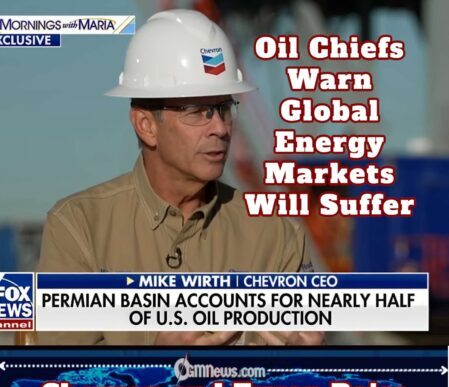
Global energy markets are facing a growing contradiction as some of the world’s largest oil executives warn of energy supply risks, potential price spikes, and prolonged disruptions, while investors continue to behave as though the worst may already be over. The unusual disconnect has sparked debate across financial circles, with observers asking whether markets possess information unavailable to industry leaders—or whether a delayed reckoning is quietly approaching.
Energy Supply Concerns: Oil Chiefs Predict a Storm
Recent remarks from senior energy executives have intensified concerns about the direction of global oil markets. Chevron’s chief executive indicated that June and July could bring greater pressure on energy supply, while Exxon executives warned that shrinking global inventories are approaching unusually low levels. According to industry projections, oil prices could rise sharply if current supply constraints persist and emergency stockpiles become increasingly strained.
The warnings arrive as disruptions surrounding the Strait of Hormuz continue to influence global trade. The strategic waterway handles a substantial share of the world’s oil shipments, making any interruption a matter of international economic concern. While markets have recently shown optimism regarding future stability, oil executives argue that physical energy supply systems often recover much more slowly than financial sentiment.
Energy Supply Recovery Challenges
Additional assessments from regional energy leaders suggest that the road to normalization may be considerably longer than many investors expect. ADNOC chief executive Sultan Al Jaber recently stated that even if current geopolitical tensions ended immediately, full restoration of oil flows through the Strait of Hormuz might not occur until 2027. Multiple industry forecasts similarly suggest that shipping, insurance, and logistics networks will require extended periods to recover.
Analysts have consequently revised oil forecasts upward in recent weeks. While prices have experienced periods of decline amid hopes for diplomatic progress, concerns remain that reduced inventories and constrained exports could eventually place renewed upward pressure on energy costs. Several experts note that market reactions often focus on headlines, whereas physical energy supply systems operate according to longer and more complex timelines.
The developing story presents a rare moment where industry executives, analysts, and traders appear to be reading the same facts but reaching different conclusions. Whether the market’s calm reflects superior foresight or dangerous complacency remains uncertain. OGM News will continue monitoring developments as the energy sector moves into what several industry leaders describe as a critical summer period.



I have been looking for a trustworthy gaming site for a while and this one...