









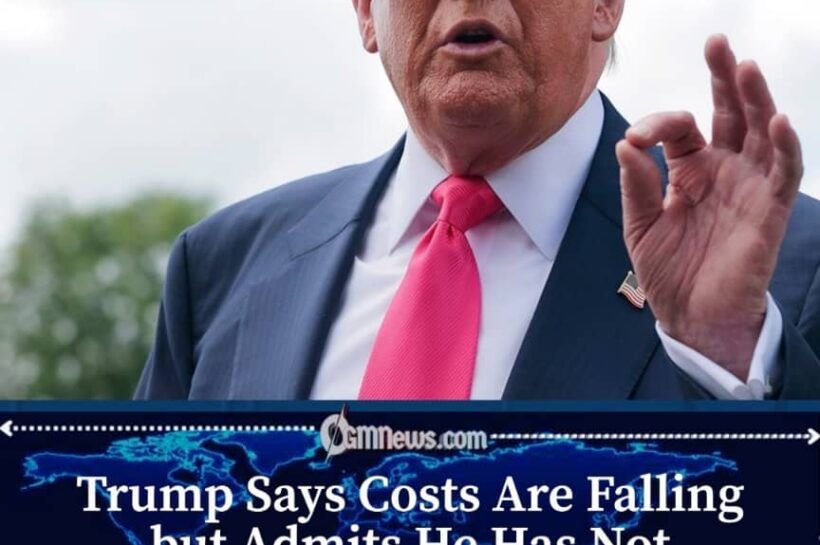

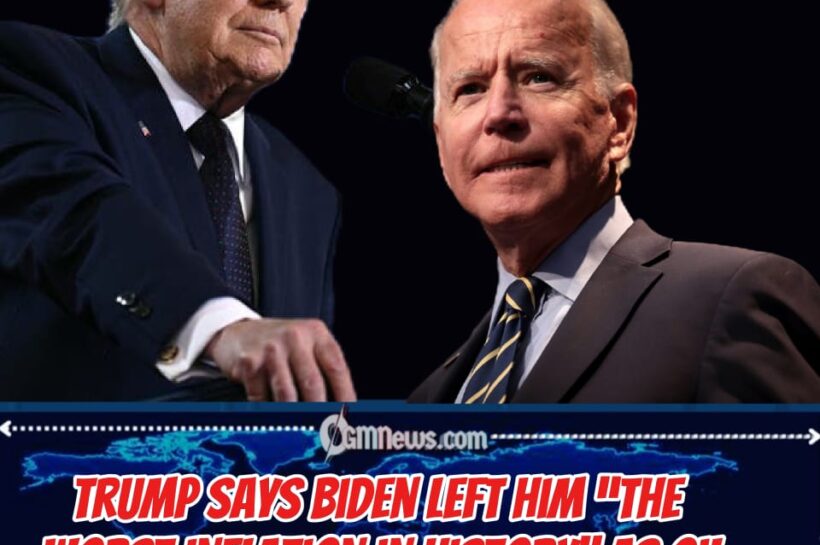


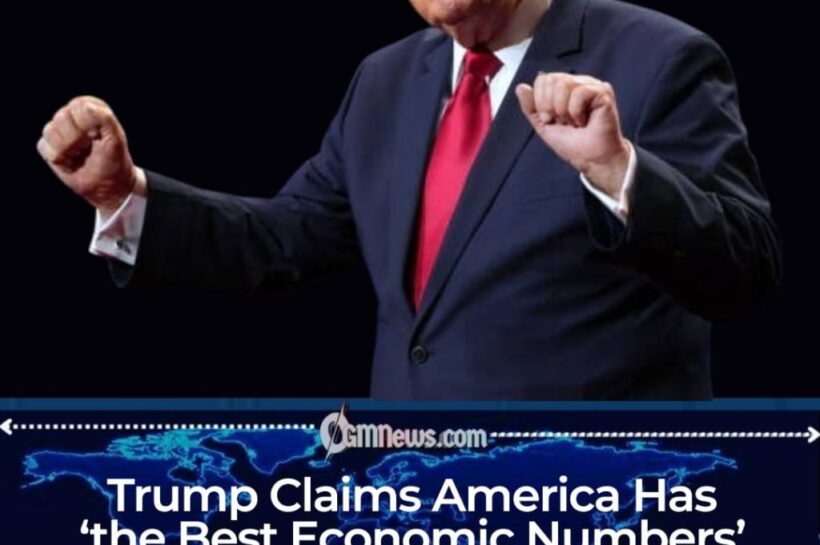


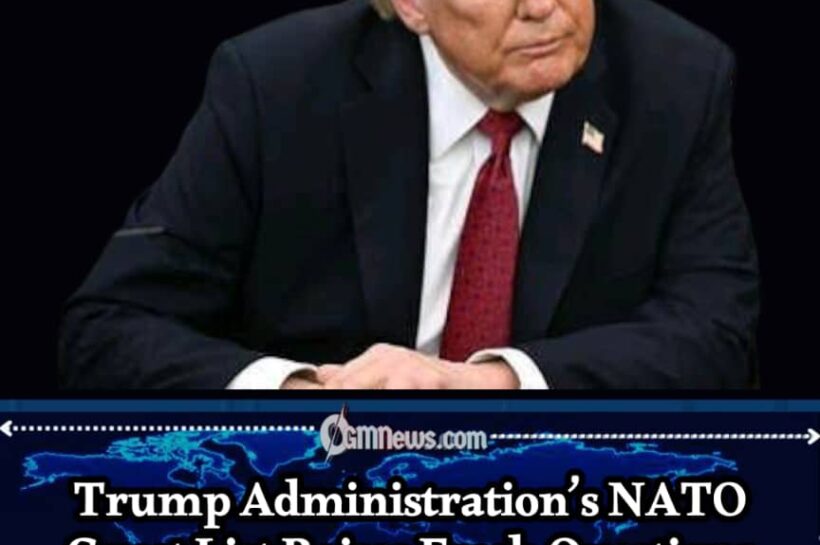
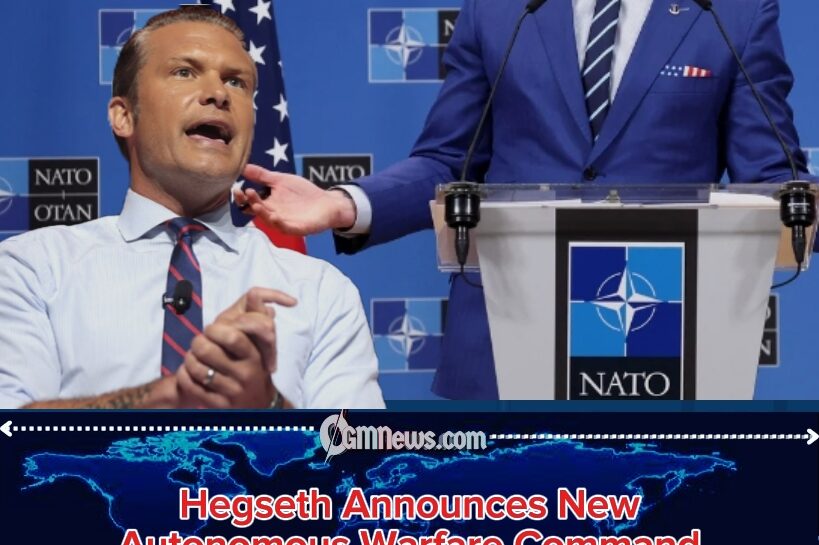
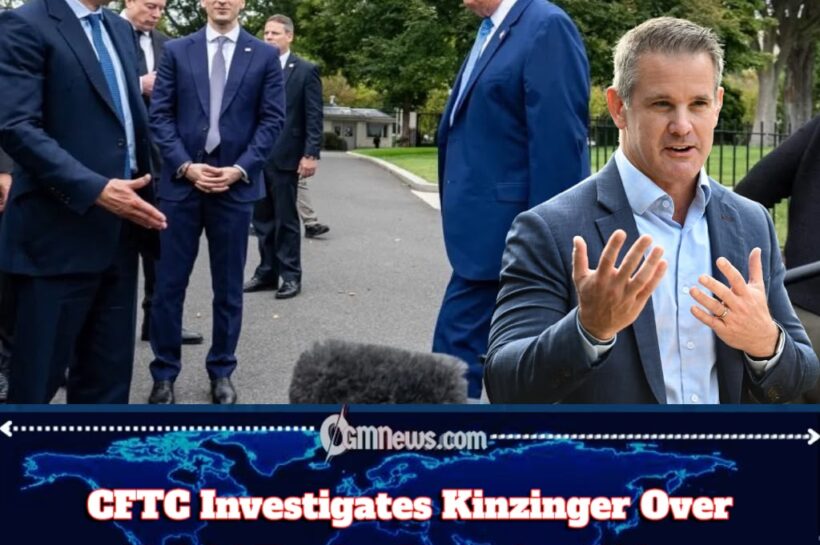





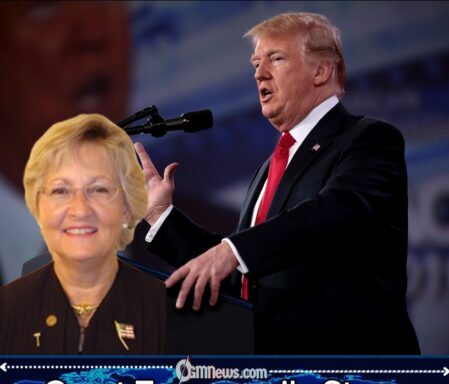
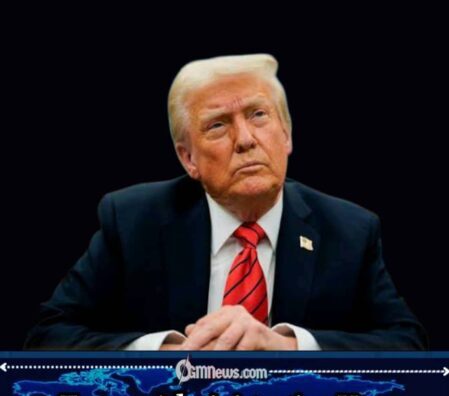
Weaponization politics erupted into another major courtroom battle on Friday after a federal judge temporarily blocked President Donald Trump’s administration from creating and operating a controversial $1.8 billion compensation fund intended for Americans who claim they were unfairly targeted by the federal government. The ruling instantly transformed what supporters called a historic accountability initiative into one of the most explosive legal disputes of Trump’s current presidency, with critics warning the proposal could blur the line between justice and political favoritism.
Weaponization On Compensation Grant
The proposed “Anti-Weaponization Fund” emerged from a settlement connected to Trump’s legal dispute with the Internal Revenue Service over leaked tax records. According to court filings and government statements, the administration intended for the fund to compensate individuals who believed they were harmed by politically motivated investigations, prosecutions, or other forms of alleged government abuse. The initiative quickly became a rallying point for Trump allies, who have repeatedly argued that conservative figures were unfairly targeted during previous federal investigations.
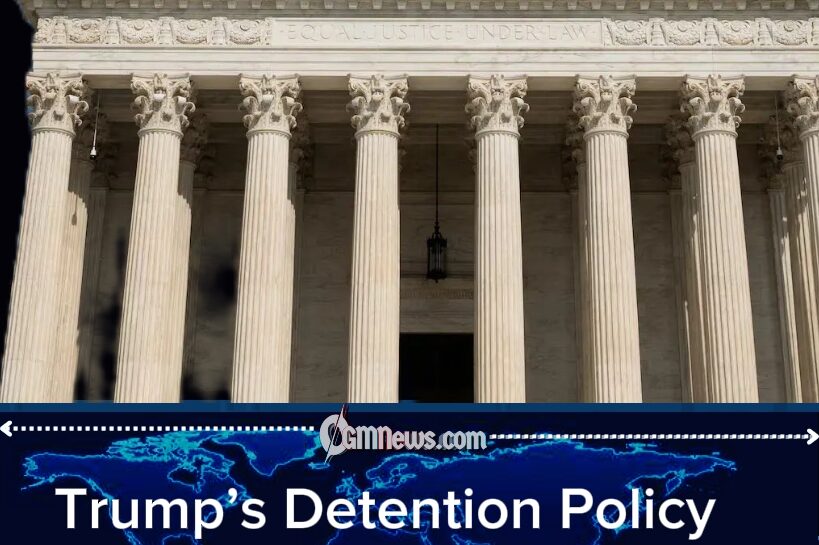
However, the plan immediately triggered fierce legal and political backlash. A coalition of plaintiffs challenged the legality of the fund, arguing that the administration lacked proper authority and transparency in establishing such a massive taxpayer-backed compensation system. Federal Judge Leonie Brinkema temporarily halted all activities related to the project, including money transfers, claim reviews, and potential payouts, while broader legal arguments are prepared for court hearings expected in June. The decision effectively freezes the entire operation before any compensation checks can be issued.
Accountability Base On Lack Of Transparency
The controversy surrounding the weaponization fund has exposed growing divisions inside Washington, including among some Republicans who privately questioned whether the initiative could create dangerous political precedents. Critics expressed concern that individuals connected to highly controversial investigations, including some prosecuted after the January 6 Capitol riot, might eventually seek compensation under the program’s framework. Others argued that the administration appeared to be creating a parallel justice system shaped by political grievances rather than neutral legal standards.
The Trump administration has defended the proposal as a legitimate response to what it describes as years of politically motivated “lawfare” against conservatives and Trump allies. Justice Department officials reportedly planned to establish a commission to evaluate claims and determine eligibility standards. Yet legal experts note that courts traditionally scrutinize attempts by executive branches to distribute large sums of public funds without clear congressional authorization. The ruling now places the administration under intense judicial examination while also increasing pressure on Congress and watchdog groups demanding greater transparency.
Public reaction has been equally divided. Supporters see the fund as overdue recognition for Americans they believe were unfairly investigated or prosecuted during politically charged years in Washington. Opponents view the initiative as a politically engineered compensation system that risks undermining trust in the legal process itself. Social media discussions quickly turned the case into a national spectacle, with critics mocking the proposal as a “government cashback program” while supporters insisted it represented long-awaited accountability against alleged institutional abuse.
As the legal battle moves toward its next hearing, the future of the weaponization fund remains uncertain. What is already clear, however, is that the dispute has become far larger than a courtroom disagreement over money. It now represents another major flashpoint in America’s continuing struggle over political power, public trust, executive authority, and the meaning of accountability in an increasingly polarized era. OGM News will continue monitoring developments as the court challenge unfolds.
[…] […]