









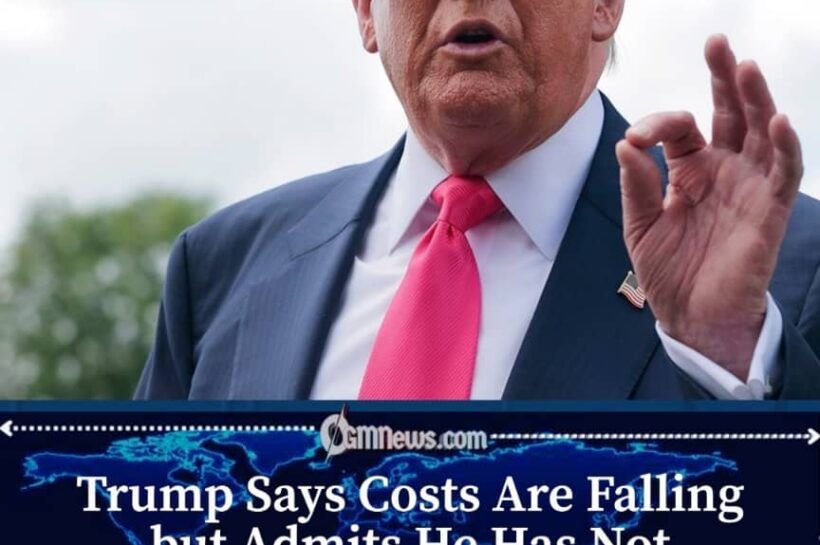














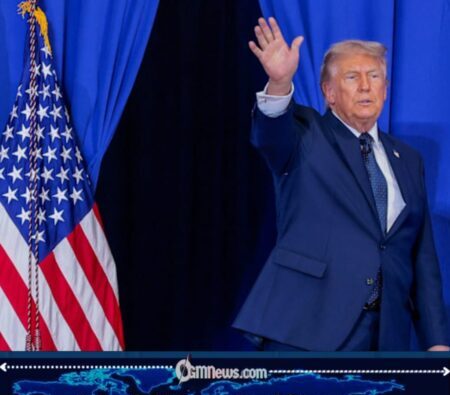
Trump Bill controversy erupted across the United States after Treasury Secretary Scott Bessent confirmed preparations are underway for a proposed $250 banknote featuring President Donald J. Trump’s image, a move that could make him the first living person to appear on modern American currency in more than a century. The announcement immediately reignited fierce debate over political symbolism, presidential influence, and whether the boundaries between patriotism and personality-driven politics are becoming increasingly blurred in Washington. While supporters framed the proposal as a tribute tied to America’s upcoming 250th anniversary celebrations, critics warned the idea resembled traditions more commonly associated with monarchies and strongman governments than with long-standing democratic norms.
Trump Bill discussions intensified after Bessent revealed that draft designs had already been prepared in anticipation of Congress approving legislation that would override existing federal law prohibiting living individuals from appearing on US currency. According to officials, the proposal is linked to commemorations marking 250 years since the signing of the Declaration of Independence in 1776. Reports also indicate that Trump’s signature could appear on the commemorative note, another historic departure from standard American currency practices, where signatures traditionally belong only to Treasury officials.
Trump Bill Currency Symbolism
Trump Bill supporters argue the proposal reflects a broader effort to celebrate what they describe as a historic presidency during a milestone anniversary for the United States. Speaking at the White House, Bessent insisted there was “nothing untoward” about featuring the sitting president on a commemorative note tied to the anniversary. Treasury officials and Trump allies have reportedly worked with the Bureau of Engraving and Printing on concept designs displaying Trump’s portrait alongside “America 250 anniversary” branding.
The proposal arrives amid a wider expansion of Trump-themed public symbolism across federal institutions. Banners featuring Trump’s portrait have appeared on government buildings, while appointees on the Kennedy Center governing board recently approved the addition of Trump’s name to the national arts institution originally established as a memorial to President John F. Kennedy. Earlier this year, the US Commission of Fine Arts also approved commemorative gold coins featuring Trump’s image through what critics described as a legal loophole.
Democratic Traditions
Trump Bill opponents say the proposal challenges long-established democratic traditions intended to prevent the personalization of national institutions around living political figures. Federal law restricting living individuals from appearing on US currency has historically reflected concerns about avoiding monarch-style political imagery and maintaining institutional neutrality. Historians note that American currency traditions evolved partly in reaction to European systems where rulers regularly placed their faces on coins and banknotes as symbols of power.
Legal scholars and ethics experts have also raised questions about whether the growing use of presidential imagery across government-linked projects risks normalizing excessive political branding inside public institutions. Critics have compared the idea to tactics historically used by authoritarian leaders seeking to merge national identity with personal leadership. Supporters reject those comparisons as exaggerated political attacks, arguing that commemorative currency proposals have existed before and that Trump’s role during the nation’s 250th anniversary justifies exceptional recognition.
As Congress debates whether to amend the law, the Trump Bill proposal has already become far more than a conversation about currency design. It now sits at the center of a wider national argument over political image-making, presidential influence, and how America chooses to represent itself during one of the most symbolic anniversaries in its history. OGM News understands lawmakers remain divided on the proposal, ensuring that the debate over Trump’s possible place in Americans’ wallets is unlikely to disappear anytime soon.

[…] […]