





















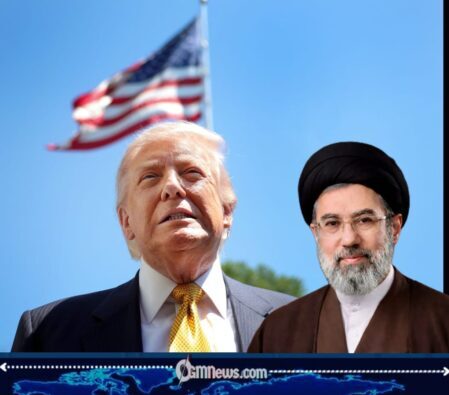
US and Iran negotiators have reportedly reached a draft agreement after intensive discussions held over recent rounds of diplomatic negotiations, marking what observers describe as a significant but fragile step toward easing long-standing tensions between both countries. The US and Iran draft deal, according to diplomatic sources cited in reports, was completed three days ago before being delayed when both sides returned the proposal to senior political leaders for further review.
The US and Iran development has drawn global attention due to its potential implications for nuclear policy, regional security, and broader geopolitical stability. While negotiators reportedly made substantial progress in bridging key differences, particularly around technical compliance and sanction-related issues, final approval remains uncertain as leadership consultations continue in Washington and Tehran.
US-Iran Negotiations
The US and Iran talks reportedly produced a structured draft agreement that addressed several contentious areas, including nuclear enrichment limits, monitoring mechanisms, and phased sanctions relief. Diplomats involved in the process are said to have worked through multiple technical sessions aimed at narrowing gaps that have stalled previous negotiation attempts.
Despite these reported breakthroughs, the US and Iran negotiation process remains highly sensitive, with both sides historically requiring final political endorsement before any agreement can be formally announced. Analysts note that such pauses are common in high-stakes diplomacy, especially when domestic political considerations influence foreign policy decisions.
Political Review
The US and Iran draft deal was subsequently referred back to senior leadership in both countries, a move that effectively paused implementation while top officials assess the political and strategic implications. This step highlights the layered nature of diplomatic decision-making, where negotiators may reach consensus, but elected or appointed leaders retain final authority.
Foreign policy experts suggest that while the delay may create uncertainty, it does not necessarily signal collapse of the agreement. Instead, it reflects caution as both governments weigh domestic reactions, regional alliances, and long-term security concerns before committing to any formal treaty or binding framework.
The US and Iran negotiations are expected to continue in the coming weeks, with international observers closely watching for confirmation of whether the draft agreement will be approved or revised further. OGM News will continue tracking developments as diplomatic discussions progress and new information emerges regarding the status of the proposed deal


[…] […]