





























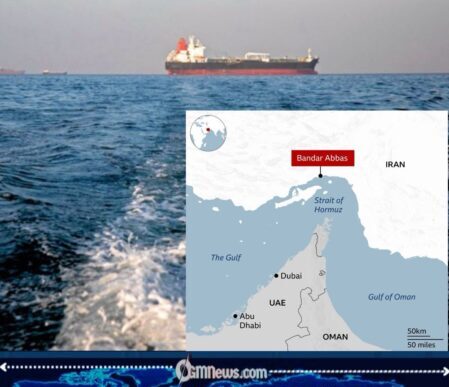
The Strait of Hormuz returned to the center of global anxiety after the United States reportedly launched a fresh military operation targeting Iranian drone infrastructure in Bandar Abbas, despite recent claims of a ceasefire arrangement between both countries. US officials described the action as “measured” and “purely defensive,” insisting the operation prevented imminent attacks on ships navigating one of the world’s most important oil corridors. Yet the timing of the strike has triggered confusion, criticism, and renewed fears that the ceasefire may already be hanging by a thread.
The reported destruction of multiple Iranian one-way attack drones and a ground control station immediately sparked fierce debate online, with supporters praising the operation as necessary deterrence while critics accused Washington of redefining offensive military action as self-defense. As global oil markets monitor every movement near Hormuz, ordinary observers are left wondering whether diplomacy is genuinely underway or merely acting as a public relations shield for continued military pressure.
Ceasefire: Iran Accuses US of Provoking War After Bandar Abbas Strike
According to officials familiar with the operation, US forces intercepted four Iranian drones believed to pose a threat near the Strait of Hormuz before striking a Bandar Abbas control station allegedly preparing another launch. American authorities maintained that the operation was intended to protect maritime traffic and preserve the ceasefire rather than escalate the conflict. The wording, however, immediately drew scrutiny from critics who questioned how repeated military strikes align with the concept of de-escalation.
Iranian-linked channels and political supporters reacted angrily, accusing the United States and Israel of undermining diplomatic efforts while framing Tehran as the sole aggressor. Others online defended the strikes, arguing that the Iranian Revolutionary Guard Corps has repeatedly tested boundaries through drone deployments and threats against commercial shipping routes. Social media discussions rapidly evolved into a broader argument about global double standards, with many users asking whether Iran would receive the same diplomatic language if it had launched a similar operation first.
Strait of Hormuz Becomes Planet Earth’s Most Expensive Group Chat
The Strait of Hormuz remains one of the most strategically sensitive waterways in the world, carrying a significant share of global crude oil exports. Analysts monitoring the region have warned for years that even limited confrontations near Hormuz can shake energy markets within hours. The latest incident has already revived concerns about rising fuel costs and possible supply disruptions during a period of increased global demand.
Recent regional tensions have also highlighted how modern warfare increasingly relies on drones, cyber operations, and rapid-response strikes rather than prolonged conventional battles. Military analysts note that both the United States and Iran appear determined to avoid an all-out regional war while simultaneously refusing to appear weak. That balancing act has created an atmosphere where “defensive” military actions are becoming increasingly common, even during periods publicly described as ceasefires.
As diplomatic negotiations continue behind closed doors, the situation surrounding Hormuz may ultimately determine whether the current ceasefire survives or collapses into another prolonged regional confrontation. For now, global audiences are left watching missiles, markets, and official statements compete to define what “peace” actually means in one of the world’s most volatile regions. OGM News will continue monitoring developments as tensions evolve around the Gulf corridor.



[…] […]