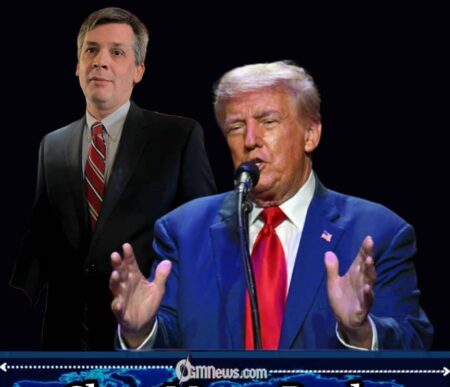





President Donald Trump has ignited another political firestorm after declaring that Americans’ financial situation does not influence his Iran negotiations “even a little bit,” a remark that landed in the middle of rising inflation, climbing gas prices, and widespread public frustration over living costs. The comments, delivered before his diplomatic trip to China, immediately transformed an already tense geopolitical debate into a domestic economic headache. For many Americans, the statement sounded less like reassurance and more like a man telling passengers not to worry about turbulence while the plane cabin is visibly shaking.
Iran Talks Continue While U.S. Citizens Romance Their Empty Wallets
Trump defended his position by insisting that preventing Iran from obtaining a nuclear weapon remains his only priority. According to reports surrounding the ongoing Iran conflict, the administration believes long-term security concerns outweigh temporary economic pain at home. The White House has repeatedly framed the situation as a choice between higher fuel prices now or a potentially more dangerous geopolitical crisis later. Critics, however, argue that voters struggling to afford groceries may not appreciate being cast as supporting actors in a global nuclear standoff.
The Iran Negotiations have become increasingly controversial as inflation reportedly reached its highest level in years while fuel prices surged amid tensions around the Strait of Hormuz. Trump also floated the possibility of a gas tax holiday to ease pressure on consumers, though analysts note that such measures may provide only temporary relief. Meanwhile, the administration maintains that Iran’s nuclear ambitions justify the economic strain. Social media, naturally, responded with its usual subtlety, producing jokes suggesting Americans are now expected to budget patriotically.
Trump Says Americans Should Relax, Panic Is Apparently Tax-Free
The Financial Situation facing many Americans has now become politically inseparable from the administration’s foreign policy strategy. Polling and public reactions circulating online suggest growing frustration among voters who were promised lower prices and economic relief during the election campaign. Instead, many households are dealing with rising costs tied to energy disruptions and prolonged military tensions. Even some Republican voices have reportedly expressed concern that the economic consequences could damage the party politically if inflation continues climbing.
Additional reporting surrounding the conflict suggests the economic impact has expanded beyond fuel prices into broader consumer costs, with inflation affecting groceries, transportation, and housing. The administration insists that these sacrifices are necessary to prevent Iran from gaining strategic leverage. Yet critics continue highlighting the contrast between Trump’s blunt remarks and the financial reality confronting average Americans. Online discussions quickly turned the quote into political meme material, with users joking that the phrase “I don’t think about Americans’ financial situation” may accidentally become the most honest campaign slogan in modern politics.
As the Iran Negotiations continue, the White House faces the difficult challenge of balancing global security concerns with the Financial Situation back home. Trump remains adamant that national security comes first, but voters may ultimately decide whether economic pain counts as patriotic sacrifice or simply expensive diplomacy with extra steps. For now, Americans are left watching two numbers closely: inflation rates and gas station prices — both apparently negotiating harder than diplomats.