











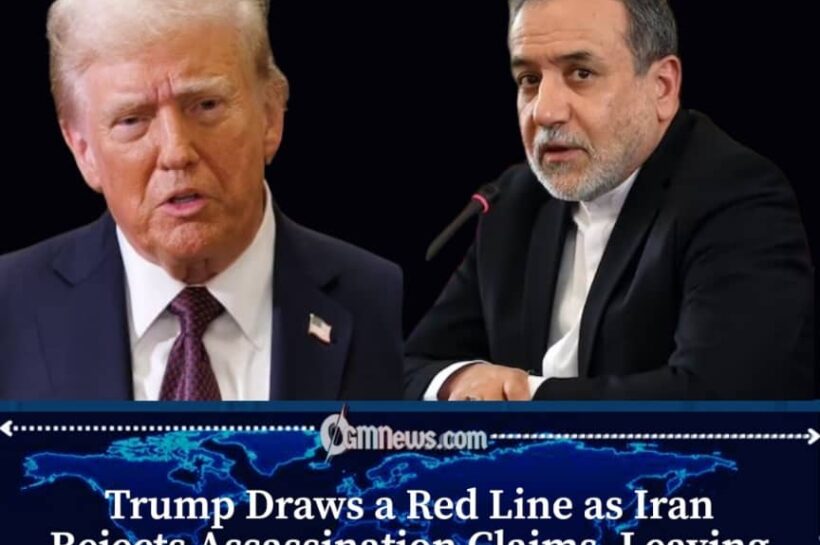


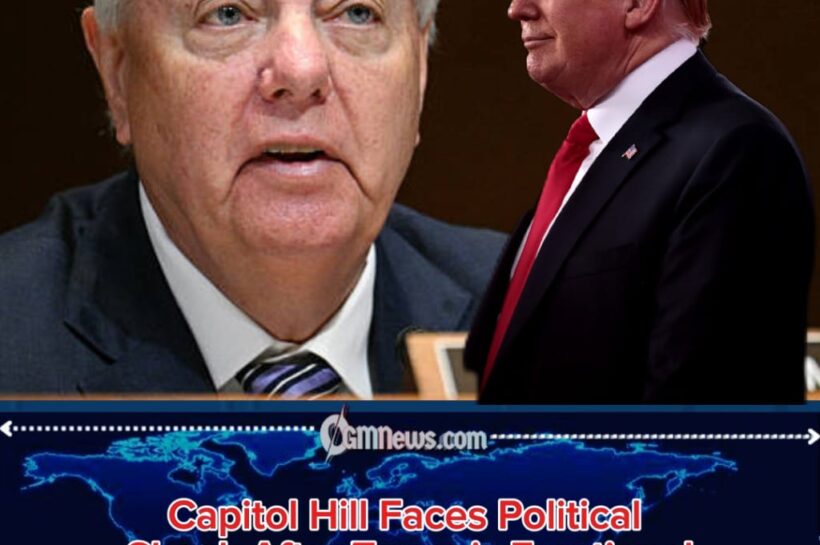
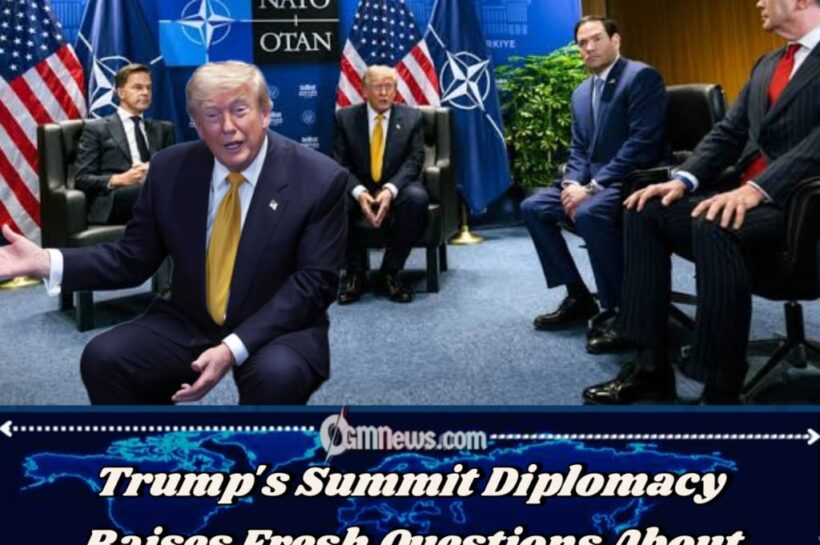
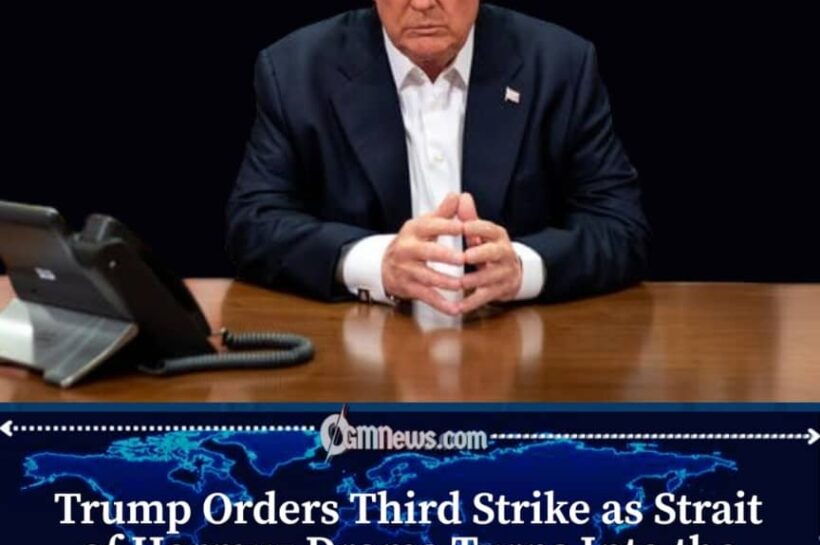








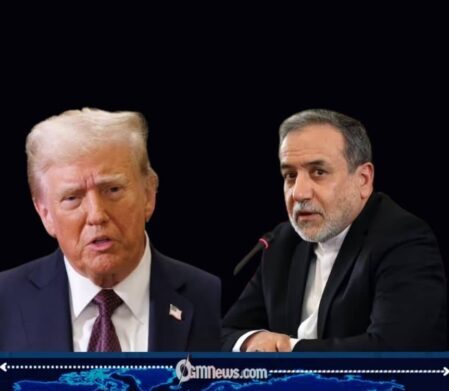
Donald Trump triggered a political firestorm Tuesday after openly stating that Americans’ financial hardships are not part of his decision-making regarding the ongoing Iran conflict. Speaking to reporters, the president said he does not think about Americans’ financial situation when considering policy toward Iran, insisting instead that his only concern is preventing Tehran from obtaining nuclear weapons.
Cost immediately became central to the backlash surrounding the remarks as critics accused the administration of appearing detached from the economic realities facing millions of households struggling with inflation, expensive fuel, and rising living expenses. Supporters of the president defended the statement as evidence that Trump remains focused on national security rather than political convenience or economic optics.
The comments arrived during a period of growing public concern over the financial consequences of escalating tensions in the Middle East. Rising oil prices, shipping disruptions, and uncertainty surrounding the Strait of Hormuz have contributed to higher transportation and energy costs across global markets, placing additional pressure on consumers already dealing with inflation.
Donald Trump: Inflation, Energy Markets, and Midterm Political Risks
Trump’s remarks also intensified broader concerns surrounding the economic impact of the Iran conflict ahead of upcoming midterm elections. Analysts have warned that prolonged instability involving Iran could continue driving fuel prices upward while affecting supply chains, airline fares, and consumer goods across the United States.
Cost pressures linked to international conflicts have historically carried major political consequences for sitting administrations, especially when voters perceive economic hardship as worsening at home. Political strategists noted that inflation remains one of the most sensitive issues for American voters, making Trump’s comments particularly controversial at a time when many households are already frustrated by the price of groceries, rent, transportation, and utilities.
Economists have repeatedly cautioned that energy market disruptions tied to Middle East tensions can spread rapidly through the broader economy. Increased fuel costs often affect nearly every sector, from food distribution and manufacturing to travel and retail operations. Some experts now warn that if tensions with Iran deepen further, the financial strain on consumers could intensify in the months ahead.
Trump’s blunt remarks may ultimately become one of the defining political moments surrounding the administration’s handling of the Iran crisis. Cost, once discussed mainly in economic reports and inflation charts, has now become a deeply emotional political issue reflecting the growing divide between foreign policy priorities abroad and financial anxiety at home as OGM News continues monitoring reactions from Washington and across the American public.


https://shorturl.fm/XPOeg