

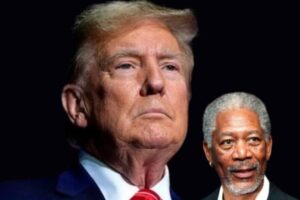

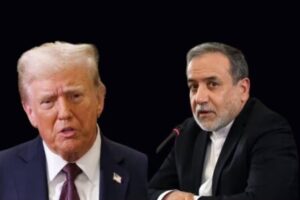


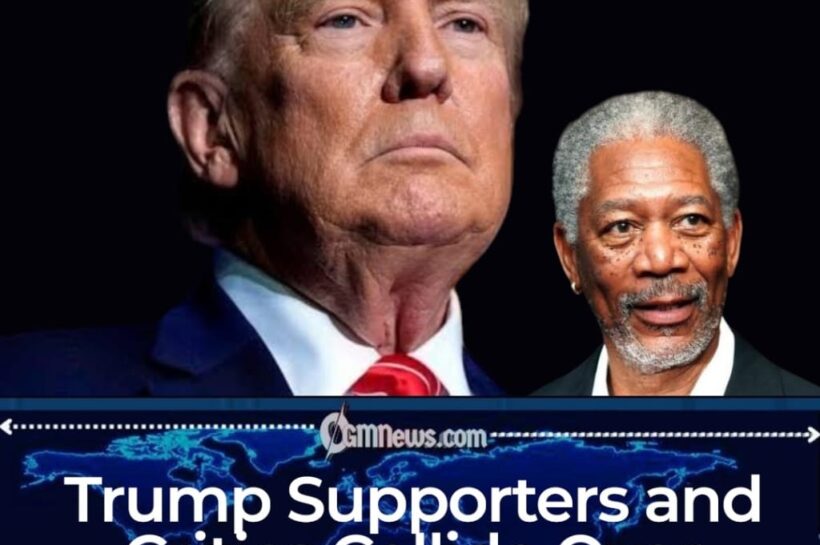



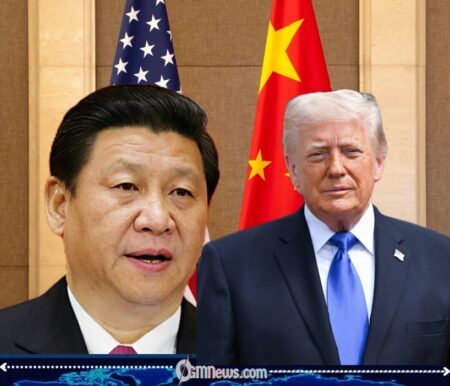
AI Diplomacy has become the defining theme of President Donald Trump’s latest visit to China, where he is expected to engage President Xi Jinping in discussions surrounding technology, trade, and the rapidly escalating artificial intelligence race. The White House delegation includes some of America’s most recognizable technology executives, among them Apple’s Tim Cook, Tesla and SpaceX CEO Elon Musk, Meta executive Dina Powell McCormick, Qualcomm CEO Cristiano Amon, Cisco chairman Chuck Robbins, and Micron chief executive Sanjay Mehrotra.
The unusual gathering of corporate powerhouses has intensified speculation about Trump Administration strategy toward Beijing. Analysts believe the administration hopes to strengthen America’s technological influence while reducing tensions in key sectors such as semiconductors, AI development, telecommunications, and manufacturing. Tim Cook’s presence is especially notable due to Apple’s continued dependence on Chinese manufacturing and the strong sales performance of the iPhone 17 in China. Apple recently announced Cook’s upcoming retirement while praising his diplomatic capabilities, making this visit appear as much political as corporate.
Despite expectations of potential technology agreements, observers noted the absence of Nvidia CEO Jensen Huang, whose company remains central to the global semiconductor industry. Huang previously criticized US restrictions on chip sales to China, warning that excessive limitations could weaken America’s competitive edge in artificial intelligence. His absence has reduced expectations of a major semiconductor breakthrough during the trip, although discussions involving Micron and Qualcomm could still produce limited agreements.
Trump Administration New AI Control Debate
The controversy surrounding the trip extends beyond trade discussions. AI Diplomacy has also exposed growing concerns that the Trump administration may be adopting regulatory tactics similar to those used by Beijing. Reports indicate the Trump Administration is considering executive actions that would require advanced AI companies to submit new models for federal review before public release.
China already operates under strict AI laws requiring companies to pass security and political sensitivity checks before deployment. Critics now argue that Trump Administration increasing oversight proposals resemble the same centralized control model American officials have long criticized. The administration has already expanded national security reviews involving companies such as Google DeepMind, Microsoft, and Elon Musk’s xAI through the Center for AI Standards and Innovation under the Department of Commerce.
Additional tensions have emerged between the Pentagon and AI startup Anthropic over military applications of artificial intelligence. Court disputes and supply-chain concerns involving the company have fueled broader debates over the relationship between government agencies and private AI developers. Vice President JD Vance has reportedly urged Anthropic to limit broader access to its cybersecurity-focused AI model known as Mythos, further highlighting growing fears over AI misuse, cyber warfare, and national security vulnerabilities.
The broader global contest between the United States and China is increasingly shifting from manufacturing and trade into a struggle for technological dominance. Governments once celebrated Silicon Valley’s independence from political influence, but the rise of powerful AI systems appears to be changing that balance rapidly. As leaders from both nations attempt to control the future of artificial intelligence, critics warn that innovation itself may become trapped between national security fears and political power struggles.
AI Diplomacy may ultimately define not only Trump’s China visit, but also the next phase of the global technology race. Whether this trip produces meaningful cooperation or deepens distrust between Washington and Beijing remains uncertain. What is clear, however, is that artificial intelligence is no longer merely a business sector. It has become a geopolitical weapon, a diplomatic bargaining chip, and perhaps the most contested battlefield of the modern era.
https://shorturl.fm/XPOeg